Packaging is more than just protection—it shapes your customer’s first impression and sets the tone for your brand. In the aroma diffuser market, where visual appeal and perceived value play key roles in purchase decisions, choosing the right packaging type is critical.
But if you’re a startup, your choices need to balance appearance with practicality. Some luxury packaging options may not be the best fit when you’re just entering the market.
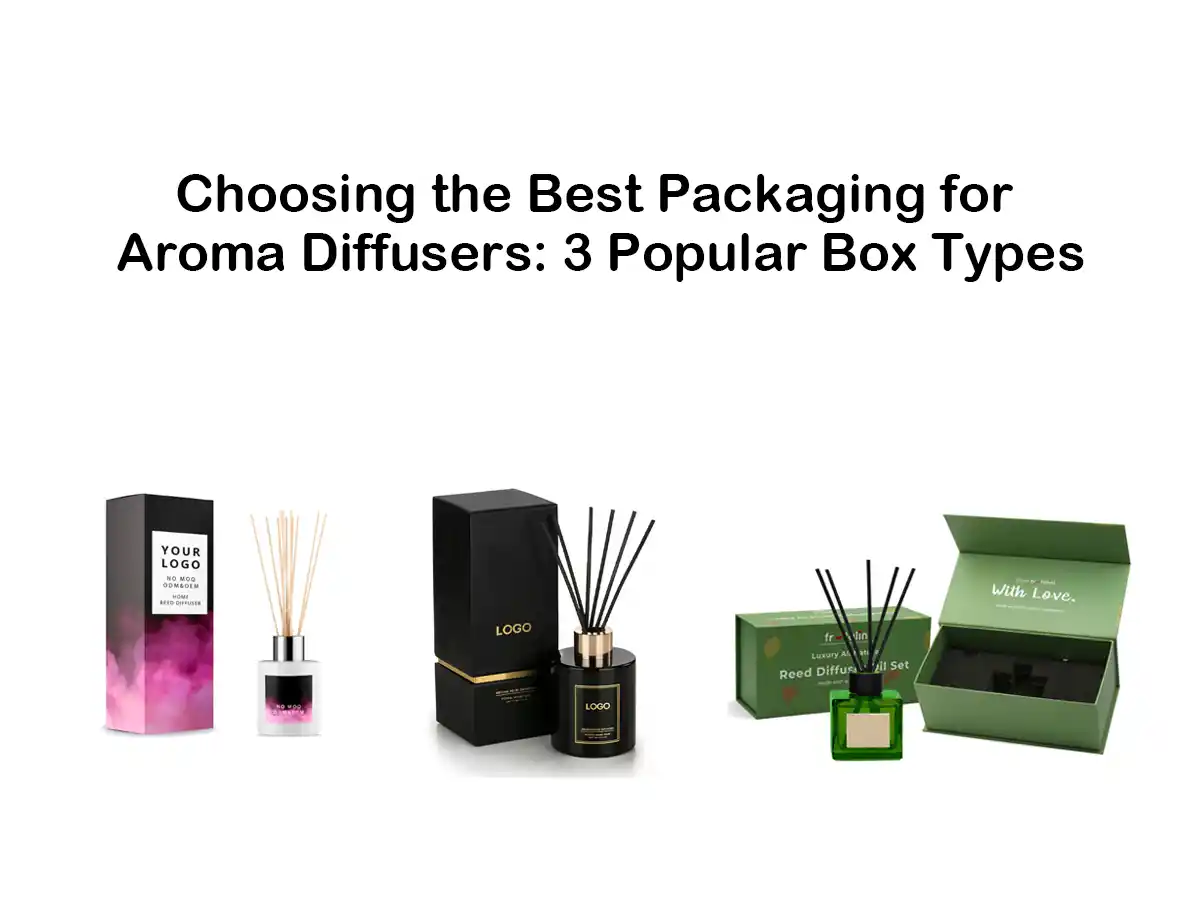
Let’s look at the three most common aroma diffuser packaging types and which one makes the most sense for new businesses.
1. Tuck End Box – Smart, Foldable, and Ideal for Startups
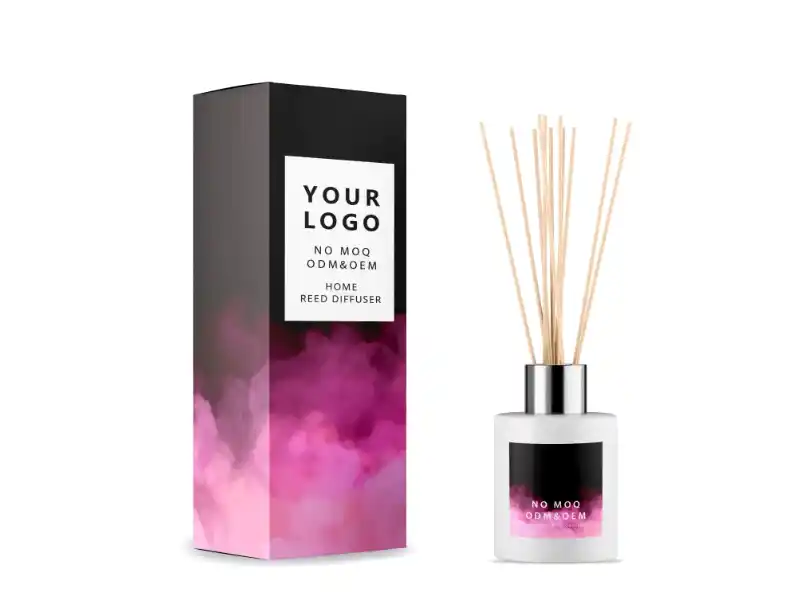
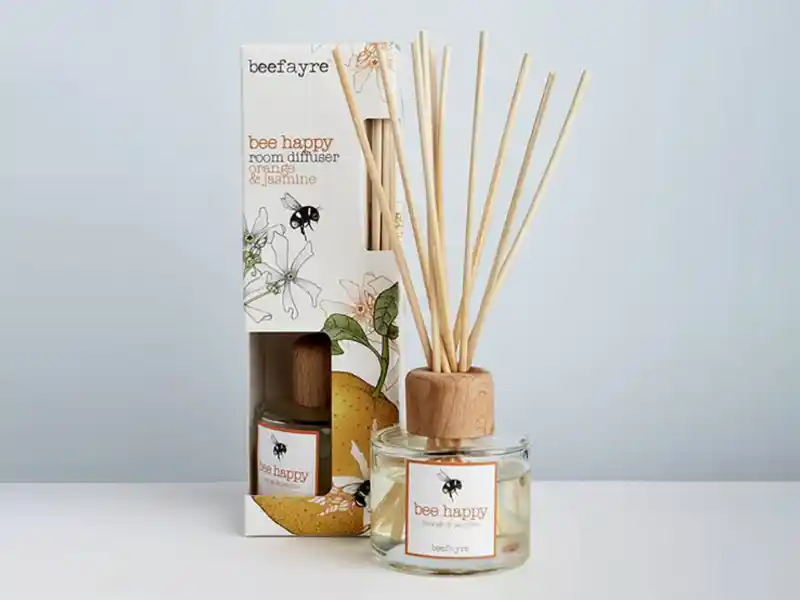
Tuck end boxes, often made from folding carton paperboard, are one of the most popular and cost-effective packaging solutions for aroma diffusers—especially for startups.
Why it’s startup-friendly:
- Low manufacturing cost
- Easy to store and ship flat, reducing logistics expenses
- Supports short-run production and faster lead times
You can customize tuck end boxes with high-quality printing, spot UV, and finishes like matte lamination. They offer a clean look and are versatile enough for retail shelves and eCommerce orders.
Best for: Entry-level product lines, retail packaging, and limited budgets.
2. Magnetic Gift Box – Elegant but Costly for New Brands
Magnetic closure boxes are associated with luxury and high-end branding. They offer a sleek unboxing experience and a sturdy construction that feels premium.
Key Features:
- Built-in magnetic flap for a smooth opening
- Commonly wrapped in specialty paper with embossing or foil stamping
- Often used for gifting and special edition packaging
However, for startups, this box type may not be the most practical option. It typically requires:
- Higher minimum order quantities
- Greater upfront investment
- Longer production timelines
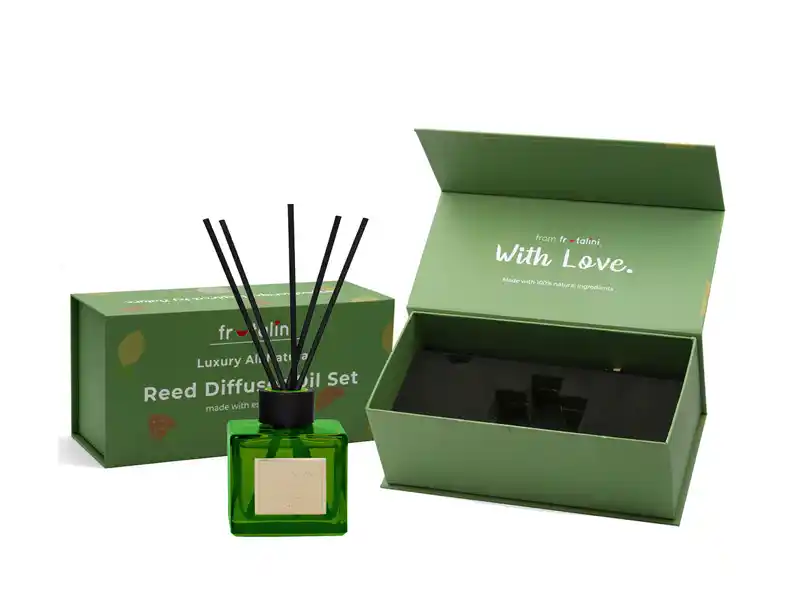
Best for: Established brands, holiday collections, or premium gift sets—not ideal for startups managing tight budgets or testing the market.
3. Two-Piece Rigid Box – Elegant and Durable, But Not for Early-Stage Businesses
Also known as lid-and-base boxes, two-piece rigid boxes are a classic packaging choice for high-end diffusers. They provide excellent protection and a high-end look.
Highlights:
- Rigid structure suitable for glass diffuser bottles
- Great for custom foam or molded pulp inserts
- Highly customizable with various textures and finishes
For startups, though, this box type may pose challenges:
- Higher material and shipping costs (cannot be folded flat)
- Requires more space for storage
- Typically has longer production lead times
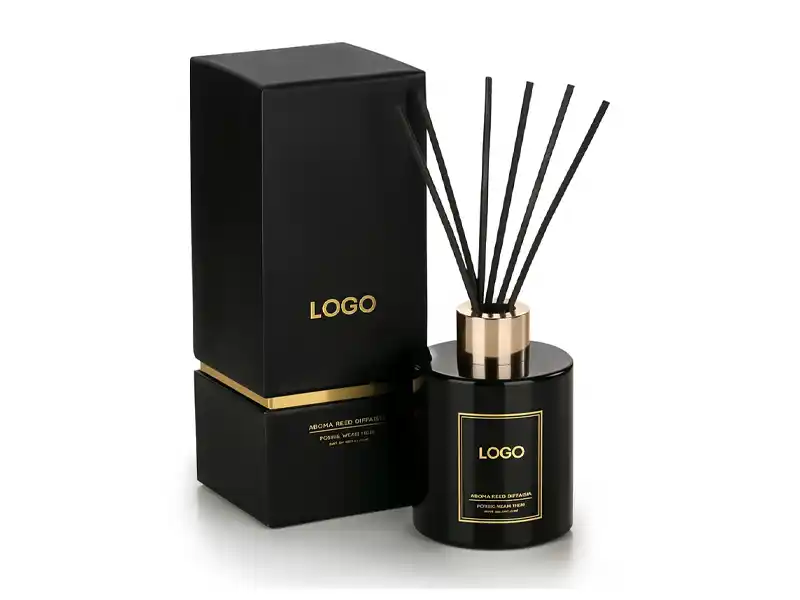
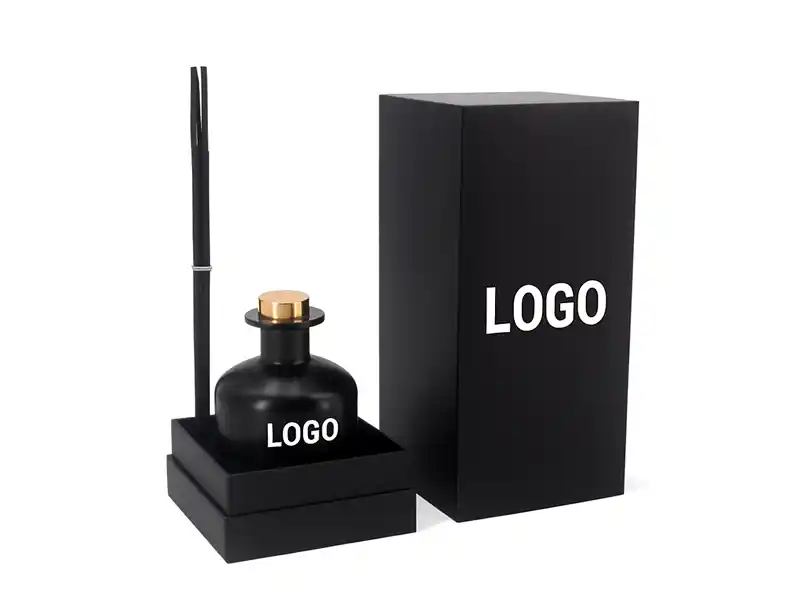
Best for: Gift packaging and luxury positioning, but better suited for brands with more capital and clear product-market fit.
🟢 Startup Tip: Start with Foldable Gift Boxes
If you’re just entering the aroma diffuser market, your safest bet is to begin with foldable packaging, such as:
- Tuck end boxes (folding cartons)
- Collapsible rigid boxes (if a premium look is needed, but with lower storage cost)
These allow you to:
- Test designs and market response at low cost
- Order smaller quantities
- Pivot quickly without heavy inventory pressure
As your brand grows and customer expectations evolve, you can gradually invest in premium options like magnetic boxes or two-piece rigid boxes for gift editions or influencer sets.
Comparison Table: What’s Right for You?
| Packaging Type | Best For | Cost Level | Startup Friendly |
|---|---|---|---|
| Tuck End Box | Retail, bulk, flexible designs | Low | ✅ Yes |
| Magnetic Gift Box | Luxury gift sets, branding focus | High | ❌ No |
| Two-Piece Rigid Box | Premium collections, inserts | Medium-High | ❌ No |
Final Thoughts
Aroma diffuser packaging should reflect your product’s value—but that doesn’t always mean going all-in on luxury boxes from day one.
If you’re a startup, begin with foldable packaging like tuck end boxes. They’re low risk, highly customizable, and budget-conscious. Once your product is validated in the market, you’ll be better positioned to introduce premium box styles like magnetic closures or two-piece rigid boxes.
By starting smart, you protect your margins and keep your operations agile—two key factors for growing a sustainable packaging strategy.