1. Introduction: Why Custom Packaging Matters
Custom packaging is more than just a container—it’s a powerful tool for brand communication and customer experience. Here’s why businesses are investing in tailored packaging solutions:
- Creates a Strong First Impression
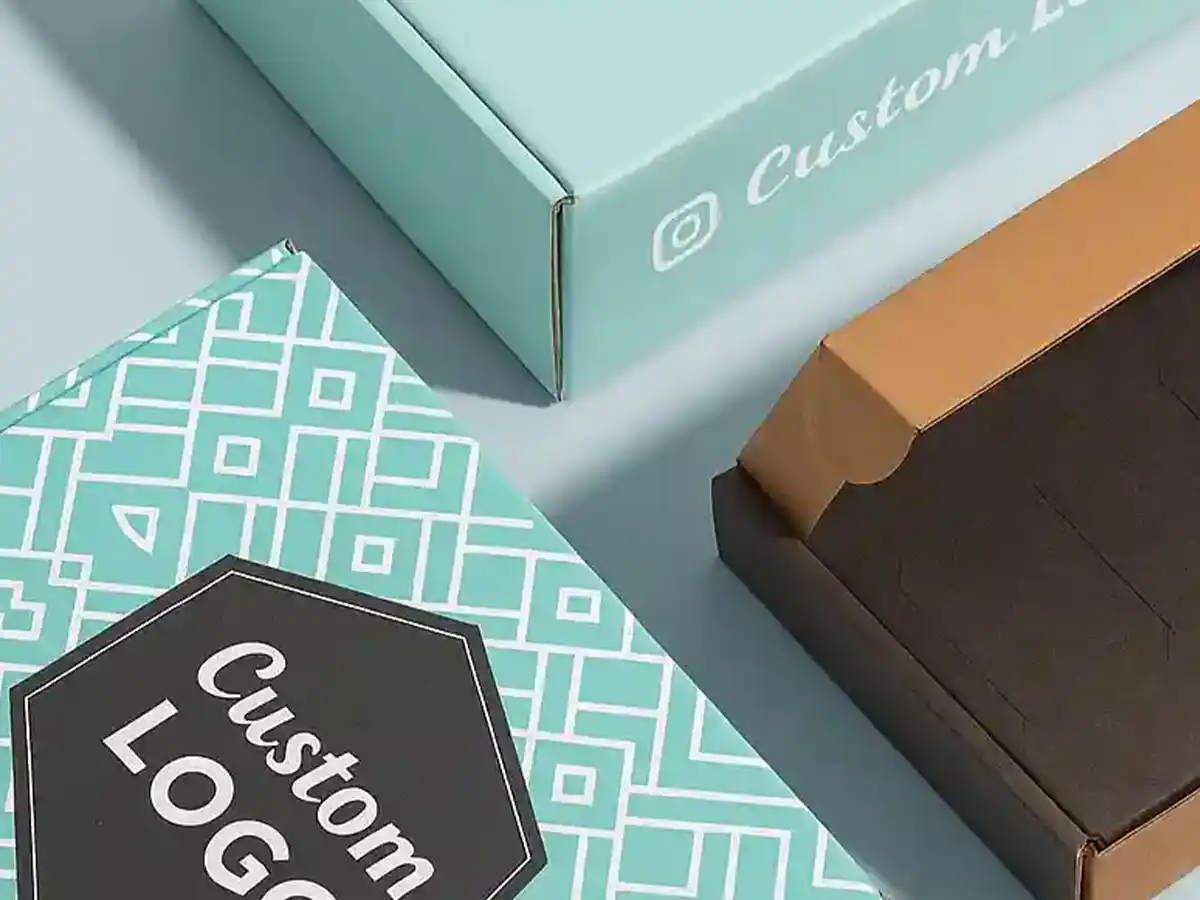
Your packaging is the first thing customers see when they receive a product. A well-designed custom box immediately communicates professionalism, attention to detail, and brand value. - Supports Brand Identity and Recognition
Custom packaging allows you to include your logo, colors, messaging, and design elements that reflect your brand personality. This consistency strengthens brand recognition and builds trust. - Improves Product Protection During Shipping
Packaging isn’t just about looks—it’s also functional. Custom-sized boxes reduce movement during transit, minimizing damage and returns, especially for fragile or high-value items. - Enhances the Unboxing Experience
In the age of social media, unboxing has become part of the customer journey. Memorable packaging can turn a simple delivery into a shareable experience, increasing word-of-mouth marketing. - Supports Sustainability Goals
Many businesses now look for eco-friendly packaging materials. Custom solutions can reduce waste by eliminating excess filler and using recyclable or biodegradable paper materials. - Builds Customer Loyalty and Repeat Business
Thoughtful, branded packaging can leave a lasting impression that encourages repeat purchases and brand loyalty—especially in competitive markets like beauty, fashion, and e-commerce.
Why this guide matters:
With so many packaging options available—from local vendors to global manufacturers—it’s important to choose the right partner for your specific needs. In the sections ahead, we’ll cover where to get custom packaging boxes, what to look for in a supplier, and how to make smart decisions whether you’re ordering a small run or scaling up for mass production.
2. What to Consider Before Buying Custom Packaging Boxes
Before choosing a packaging supplier or placing an order, it’s essential to evaluate your specific needs. Custom packaging isn’t one-size-fits-all—getting it right requires clarity on your product, brand goals, and customer expectations. Below are key factors to consider when buying custom packaging boxes:
2.1. Box Type and Material
- Different products require different packaging solutions.
- Common options include:
- Rigid boxes – ideal for luxury products.
- Corrugated boxes – strong and suitable for shipping.
- Folding cartons – cost-effective for lightweight retail goods.
- Kraft paper boxes – eco-friendly and minimalist.
- Consider how much protection your product needs and whether aesthetics or sustainability is your priority.
2.2. Size and Dimensions
- Accurate box sizing reduces material waste and shipping costs.
- Too much empty space leads to higher costs and a poor unboxing experience.
- Custom-fit boxes are especially important for delicate or irregularly shaped products.
2.3. Printing and Branding Needs
- Decide whether you need:
- Full-color printing
- Spot UV or foil stamping
- Custom inserts, labels, or inner printing
- Ensure your supplier supports the level of customization you require, and offers pre-production proofs or design assistance.
2.4. Minimum Order Quantity (MOQ)
- MOQs vary widely between suppliers—some start at 100 units, others at 1,000+.
- If you’re a startup or testing a new design, look for manufacturers offering low-MOQ custom packaging to minimize risk and cost.
2.5. Turnaround Time and Delivery
- How fast do you need your packaging?
- Production and delivery timelines can range from a few days to several weeks.
- Clarify lead times upfront—especially if you’re working with overseas manufacturers or need packaging for a product launch.
2.6. Budget and Pricing Transparency
- Custom packaging costs depend on:
- Material
- Size
- Printing method
- Order quantity
- Ask for detailed quotes and compare pricing between suppliers. Look out for hidden fees such as die-cutting charges, setup costs, or shipping surcharges.
2.7. Sustainability and Eco-Friendliness
- Many businesses now seek recyclable or biodegradable options.
- Ask if the supplier offers:
- FSC-certified paper
- Soy-based inks
- Minimalist, low-waste packaging designs
- Sustainable packaging isn’t just good for the planet—it can boost your brand image with eco-conscious consumers.
2.8. Supplier Support and Services
- Consider what services the supplier offers beyond production:
- Structural design support
- Sample production
- Dieline templates
- Print file checking
- Reliable communication, clear timelines, and expert guidance can make or break your packaging experience.
3. Where Can You Get Custom Packaging Boxes? [Compare Options]
When it comes to sourcing custom packaging boxes, not all suppliers are created equal. The best choice depends on your order volume, timeline, customization needs, and budget. Let’s compare the three most common sourcing options: local suppliers, online custom packaging platforms, and direct packaging manufacturers.
🏪 Option 1: Local Packaging Suppliers
Best for: Small businesses needing fast, low-volume packaging with limited customization.
Pros:
- In-person consultations and faster local delivery
- Easy to review physical samples
- Helpful for urgent, short-run orders
Cons:
- Higher per-unit cost due to smaller production scale
- Limited material and printing options
- May not support advanced customization (e.g., foil stamping or embossing)
Use Case Example: A local bakery needing simple kraft boxes for a weekend event.
🌐 Option 2: Online Custom Packaging Platforms
Best for: Small to medium businesses looking for convenience, digital design tools, and quick quotes.
Pros:
- Online design editors for beginners
- Instant pricing calculators
- Some platforms offer low MOQs and fast shipping
Cons:
- Limited support for complex or bulk customizations
- May lack transparency in material sourcing or manufacturing location
- Quality control can vary across vendors
Use Case Example: A DTC skincare brand launching a limited-edition set and needing small-batch packaging quickly.
🏭 Option 3: Direct Packaging Manufacturers
Best for: Businesses that require full customization, cost-efficiency, and scalability.
Pros:
- Complete control over materials, structure, and print options
- Competitive bulk pricing
- Can accommodate long-term supply partnerships
- Often support eco-friendly or FSC-certified packaging materials
- Experienced teams for design file support, mockups, and structural integrity
Cons:
- May require communication around production timelines
- Some manufacturers have higher MOQs (though many now offer flexibility for small runs)
Use Case Example: An e-commerce brand planning to scale globally and needing branded, eco-conscious packaging with consistent quality.
📊 Quick Comparison Table:
| Feature | Local Supplier | Online Platform | Direct Manufacturer |
|---|---|---|---|
| MOQ | Low | Low–Medium | Medium–Flexible |
| Customization Level | Basic | Moderate | Full (print, structure, inserts) |
| Cost per Unit | High | Medium | Low (at scale) |
| Sample Availability | Often Available | Usually Available | Offered (including mockups) |
| Turnaround Time | Fast (local) | Fast–Moderate | Depends on location |
| Support for Sustainable Options | Varies | Sometimes | Often Available |
💡 Final Thoughts
If you need full customization, consistent quality, and room to scale, working directly with a packaging manufacturer is often the most efficient and cost-effective route. However, for smaller projects or one-time runs, local suppliers or online platforms can be good starting points.
4. Why Choosing a Reliable Manufacturer Matters
Choosing the right packaging manufacturer isn’t just about getting boxes printed—it’s about building a supply chain partner you can trust. An unreliable supplier can lead to missed deadlines, poor print quality, and costly reorders. A dependable manufacturer, on the other hand, can elevate your product presentation and reduce operational headaches.
Here’s why it matters:
🛠️ Product Quality and Consistency
- A reliable manufacturer ensures consistent production across batches.
- Printing accuracy, color matching, and material quality are tightly controlled.
- Consistency is key for maintaining a strong brand image.
⏱️ Timely Delivery
- Late packaging delivery can delay product launches or disrupt order fulfillment.
- Reputable suppliers provide clear production timelines and logistics tracking.
📦 Structural and Material Expertise
- Experienced manufacturers help you choose the right box type and material for your product’s weight, shape, and fragility.
- They can recommend structural improvements to lower costs or increase protection.
🌿 Sustainable Solutions
- Many trusted manufacturers now offer FSC-certified paper, biodegradable inks, and recyclable materials to support eco-friendly goals.
- They also help you design packaging that reduces waste and shipping volume.
🤝 Long-Term Business Support
- A good manufacturer offers more than a one-time transaction—they provide design assistance, inventory planning, and ongoing support as your business grows.
5. Key Features to Look For in a Custom Box Supplier
Not all suppliers are equipped to meet the unique demands of custom packaging. To avoid frustration and wasted budget, look for these key features when evaluating potential partners:
5.1. Full Customization Capabilities
- Ability to produce custom sizes, shapes, and box structures
- Support for high-end printing techniques like embossing, foil stamping, spot UV, etc.
- Options for inserts, dividers, or layered packaging components
5.2. Design Support Services
- Dieline templates and 3D mockups to ensure accurate design placement
- Pre-production sampling to test structure and visuals
- In-house design consultation or file checking to catch technical issues early
5.3. Flexible MOQs
- Low minimum order quantities for small businesses and startups
- Scalable options for growing brands or large campaigns
5.4. Sustainable and Eco-Friendly Materials
- Availability of recyclable, compostable, or biodegradable packaging
- Certifications like FSC (Forest Stewardship Council)
- Use of soy-based or water-based inks instead of petroleum-based alternatives
5.5. Quality Assurance and Sample Process
- Quality control checks during production
- Sample kits or physical prototypes available before mass production
5.6. Reliable Logistics and On-Time Delivery
- Transparent lead times
- Support for international shipping or multi-region delivery
- Logistics partnerships to reduce delays and customs issues
5.7. Clear Communication and Customer Support
- Responsive project managers or sales reps
- Clear answers to pricing, lead time, and production questions
- Post-sale support for reorders, feedback, or adjustments
6. Questions to Ask Before You Order
Before committing to any custom packaging order, asking the right questions can help you avoid costly surprises and ensure the supplier is the right fit. Use this checklist to guide your conversations:
📋 Essential Questions:
- What is your minimum order quantity (MOQ)?
Understand whether they can accommodate your order size—especially for small runs. - What materials do you offer? Are they eco-friendly?
Ask about paper types (kraft, coated, corrugated) and sustainable options (FSC-certified, recyclable, biodegradable). - What customization options are available?
Can they handle advanced printing, structural design, inserts, or specialty finishes like foil and embossing? - Can I request a pre-production sample or mockup?
Seeing a sample helps you catch issues early before mass production. - What are your lead times for production and delivery?
Get clear timelines to avoid disruptions, especially around peak seasons or product launches. - Do you provide design assistance or dieline templates?
Helpful for businesses without in-house designers—ensures your artwork fits perfectly. - How is quality controlled during production?
A reliable manufacturer will have internal checks in place to maintain consistency. - What are the payment terms and shipping policies?
Understand when payments are due, what’s included in shipping costs, and whether tracking is available.
7. Tips for First-Time Buyers of Custom Packaging
If you’re placing your first order for custom packaging, the process can feel overwhelming. Here are simple tips to make it easier and avoid common mistakes:
🎯 Practical Advice:
- Start small if possible.
Choose a supplier with a low MOQ so you can test box quality and design before scaling up. - Request a sample or prototype.
Always review the actual product—colors, materials, and finishes can look different in person than on-screen. - Be precise with sizing.
Measure your product carefully to ensure a snug, cost-efficient fit. - Keep your design simple at first.
Focus on clear branding and essential information. Overly complex designs may increase costs and delay production. - Check print file formats.
Most manufacturers require high-resolution vector files (like .AI or .PDF). Ask for a dieline if you don’t have one. - Account for shipping costs and lead times.
Factor in delivery time, especially if you’re sourcing internationally. Always build in a buffer for delays. - Get everything in writing.
Confirm pricing, specs, timelines, and terms via email or contract to avoid misunderstandings later.
8. Conclusion: Choose Based on Your Needs
Choosing where to get your custom packaging boxes depends on your business goals, product type, budget, and how much control you want over the process.
✨ Summary:
- Local suppliers work well for fast, small-batch orders with basic needs.
- Online platforms offer convenience but may lack full customization.
- Direct manufacturers provide the highest level of customization, quality, and long-term value—especially for growing brands.
Before placing your first order, take the time to ask smart questions, compare vendors, and understand your own packaging goals. With the right supplier, your packaging can do more than protect your product—it can elevate your brand.