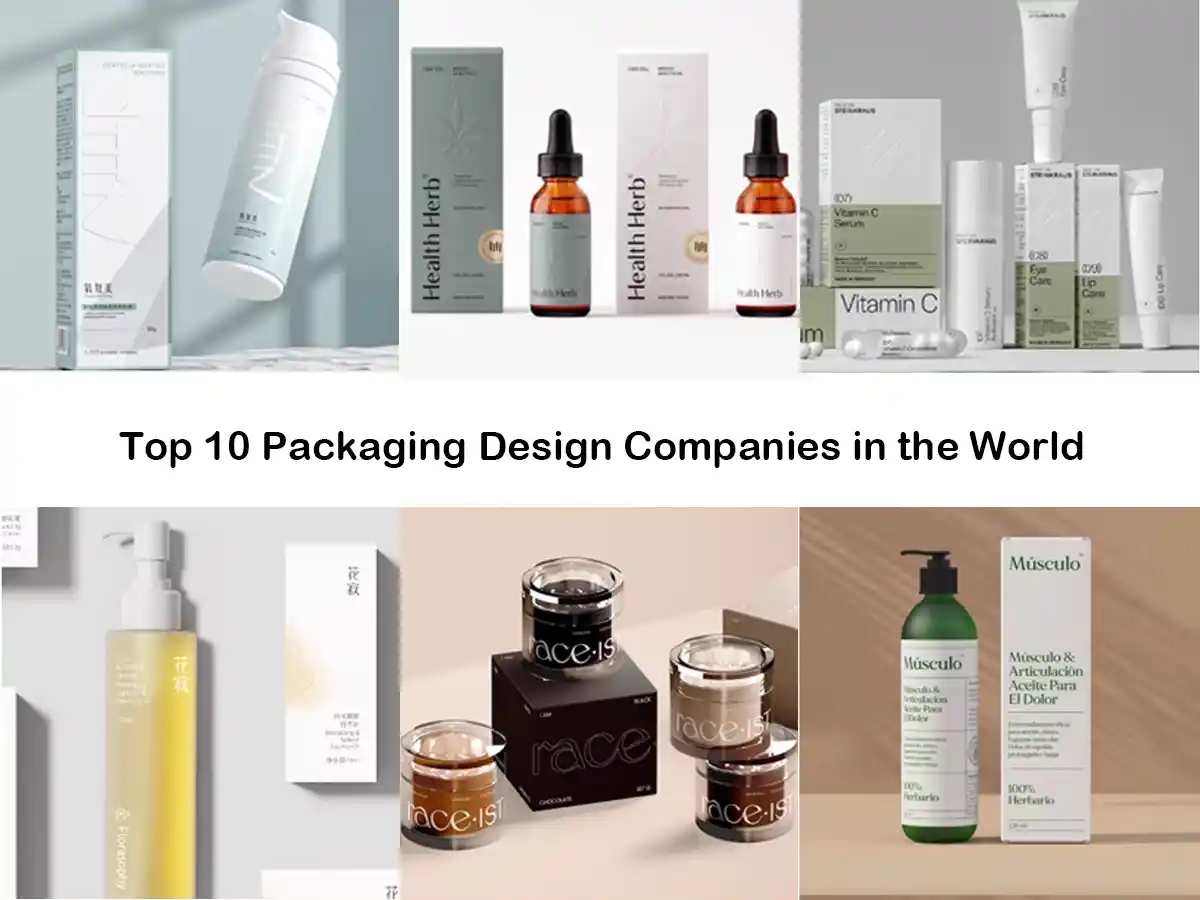
Choosing a packaging design company is a big decision. Good packaging doesn’t just “look nicer”. It can:
- Catch attention on the shelf or in search results
- Explain your product quickly and clearly
- Avoid problems in printing, shipping, and assembly
- Support sustainability goals with the right structure and materials
From a manufacturer’s point of view (especially for paper boxes, bags, and cards), the best packaging projects happen when design and production work together from day one. Keep that in mind as you read through this list.
How to Choose a Packaging Design Company
Before you look at specific agencies, be clear on what you really need. This will save time and avoid mismatched quotes.
1. Clarify your needs
Ask yourself:
- Product category – food, drink, cosmetics, electronics, fashion, etc.
- Sales channel – retail, supermarket, online only, Amazon, DTC.
- Scope – only packaging design, or also brand strategy, naming, logo?
- Volume & timeline – first launch? rebrand? fast rollout in many markets?
A global FMCG brand and a small DTC skincare startup do not need the same type of agency.
2. Key evaluation criteria
When you review agencies, look at:
- Portfolio fit
- Have they worked in your category?
- Do you see similar packaging forms (rigid boxes, folding cartons, mailer boxes, paper bags, etc.)?
- Strategic depth
- Do they only make things “beautiful”, or do they also work on positioning, naming, and consumer insight?
- Structural & print understanding
- Do they show real dielines, material choices, and production photos, not only 3D mockups?
- Team & process
- Will you work with senior people?
- Do they test concepts with consumers or buyers?
3. Budget levels (roughly)
Very simply, you’ll see three broad levels:
- Premium global agencies – usually six-figure projects, best for global launches, complex brand systems, and big FMCG or tech brands.
- Mid-range specialist agencies – strong CPG focus, good balance of creativity and budget, ideal for regional or national brands.
- Boutique / creative studios – smaller teams, very hands-on, often great for challenger brands and expressive concepts.
If you already know your budget range, it becomes easier to choose from the table below.
4. Think about collaboration with your manufacturer
Before you sign, ask the agency:
- Can you work with my packaging factory’s dielines and print specs?
- Will you provide production-ready files (not just mockups)?
- Can we have a three-way call with the manufacturer to confirm structure, paper, and finishes?
Packaging manufacturers often see late design changes because of:
- Too-thin lines that disappear in printing
- Colors that cannot be printed consistently in bulk
- Overcomplicated structures that raise unit cost or fail in shipping
- Artwork that ignores glue areas, fold lines, or handle strength on paper bags
Early alignment avoids rework, delays, and waste.
Top 10 Packaging Design Companies at a Glance
Budget level is indicative only and varies by scope, market, and deliverables.
| # | Company | HQ / Key Offices | Main Industries | Typical Client | Service Focus | Budget Level* |
|---|---|---|---|---|---|---|
| 1 | Pentagram | London, New York, Austin, Berlin | Multisector: tech, culture, consumer, corporate | Large / global brands | Brand identity, packaging, digital, environments | Premium global |
| 2 | Pearlfisher | London, New York, San Francisco, Copenhagen | Food & drink, lifestyle, beauty, DTC | Established and challenger CPG brands | Brand strategy, identity, packaging, innovation | Premium–mid |
| 3 | Landor | Global (London HQ, 30+ offices) | FMCG, corporate, mobility, finance, tech | Multinationals, global portfolios | Brand consulting, architecture, identity, packaging | Premium global |
| 4 | Design Bridge and Partners | Global, 17 studios | Food & beverage, retail, luxury, sustainability | Global and regional consumer brands | Brand strategy, design systems, packaging, experience | Premium global |
| 5 | Jones Knowles Ritchie (JKR) | London, New York, Shanghai | CPG, food & drink, retail, entertainment | Global and large regional brands | Brand strategy, identity, packaging, brand experience | Premium–mid |
| 6 | Stranger & Stranger | London, New York, San Francisco | Wine, spirits, beer, premium drinks | Drinks brands from boutique to global | Naming, structural design, labels, secondary packaging | Premium |
| 7 | SmashBrand | US (Boise, Boulder, other locations) | CPG: food, beverage, household, health | Growth-focused CPG brands | Strategy, testing, packaging, innovation, data-driven design | Premium–mid |
| 8 | PKG Brand Design | Chicago, USA | CPG: food & beverage, grocery | National and global CPG manufacturers | Consumer research, brand strategy, packaging, structural design | Mid-range |
| 9 | Zenpack | San Jose, New York, Taipei, Dongguan, Xiamen | Tech, e-commerce, lifestyle, luxury | Startups to global brands needing end-to-end | Strategy, structural & graphic design, manufacturing, logistics | Mid–premium (end-to-end) |
| 10 | Backbone Branding | Yerevan, Armenia | Food, beverage, FMCG, specialty goods | Brands open to expressive, award-level design | Brand strategy, identity, highly creative packaging | Mid–premium (project-based) |
Top 10 Packaging Design Companies in Detail
Each summary is kept short so you can scan quickly.
1. Pentagram
Pentagram is often described as the world’s largest independent design consultancy, owned and run by its partners with studios in London, New York, Austin, and Berlin.
- Best for: Large or ambitious brands needing brand identity, packaging, digital, and environments under one roof.
- Strengths:
- Deep strategic thinking tied closely to visual identity.
- Broad sector experience, from culture and hospitality to tech and consumer products.
- Strong understanding of how packaging fits into a wider brand ecosystem.
If your packaging is part of a complete rebrand or a complex multi-channel experience, Pentagram is a strong high-end option.
2. Pearlfisher
Pearlfisher is an independent brand design agency with studios in London, New York, San Francisco, and Copenhagen. They focus on “building the world’s most desirable brands” — especially in food, beverages, and lifestyle CPG.
- Best for: Challenger and iconic food, drink, and lifestyle brands that want highly distinctive, premium packaging.
- Strengths:
- Strong track record in global FMCG packaging (e.g. McDonald’s, Kahlúa).
- Early focus on sustainability in design and production.
- Clear link between brand strategy and packaging expression.
Pearlfisher is a good fit when you want packaging that feels both premium and very modern, with a strong story.
3. Landor
Landor (formerly Landor & Fitch) is a global brand consulting and design firm founded in 1941, now a leading brand-transformation agency with offices worldwide.
- Best for: Multinational corporations managing many sub-brands and product ranges across markets.
- Strengths:
- Strong combination of brand strategy and design, including packaging.
- Focus on connecting brand, business, and customer experience.
- Experience with complex portfolios and long-term brand guardianship.
If your packaging is one part of a big, global brand system, Landor brings the scale and processes to manage it.
4. Design Bridge and Partners
Design Bridge and Partners is a WPP global brand design agency with 900+ people across 17 studios. They are frequently recognized as one of the most awarded brand design agencies for their work in packaging and brand experience.
- Best for: Brands that want outstanding creative packaging with a strong chance of winning awards and driving recognition.
- Strengths:
- Expertise in food, drinks, and consumer categories, often with bold storytelling.
- Dedicated practices in sustainability and industrial design to connect graphics and structure.
- Ability to handle global rollouts while keeping design quality high.
If your goal is both commercial performance and creative fame, they are a strong contender.
5. Jones Knowles Ritchie (JKR)
JKR is a global branding agency with studios in London, New York, and Shanghai, known for “making brands distinctive everywhere.”
- Best for: CPG brands wanting bold visual identities and packaging that stand out on shelf and in digital.
- Strengths:
- Famous work for brands like Burger King and Heinz, where packaging is central to the rebrand.
- Strong, simple visual systems that work across many formats.
- Good balance of strategy and expressive design.
If you want a big, confident look that clearly separates you from competitors, JKR is worth shortlisting.
6. Stranger & Stranger
Stranger & Stranger is a specialist packaging design company focused almost entirely on the alcoholic drinks industry, with studios in London, New York, and San Francisco.
- Best for: Wine, spirits, and premium drinks brands looking for highly distinctive, collectible packaging.
- Strengths:
- Deep category expertise: bespoke bottles, labels, closures, and secondary packaging.
- Strong storytelling through structure, illustration, and detail.
- Large award history in drinks packaging.
If you’re in wine, spirits, or craft beverages and want packaging that truly “stands out on the back bar”, this is a very focused choice.
7. SmashBrand
SmashBrand is a US-based, data-driven CPG brand and packaging design agency. Their positioning is clear: they design packaging that increases sales velocity and they test designs in realistic retail environments.
- Best for: Growth-oriented CPG brands that want measurable performance from packaging, not just a new look.
- Strengths:
- Integrated approach: positioning, concepting, design, and consumer testing (“PREformance™” process).
- Experience across food, beverages, and household products.
- Strong focus on retail performance data.
If your main question is “Will this design actually sell more units?”, SmashBrand is designed around that problem.
8. PKG Brand Design
PKG Brand Design, based in Chicago, is a packaging design division of Hangar12 with a clear Consumer First® philosophy.
- Best for: Food and beverage brands selling through grocery and mass retail channels.
- Strengths:
- Consumer-centric process that tests concepts with real shoppers.
- Focus on storytelling on pack: what you say on the front, back, and sides.
- Experience helping established brands refresh their packaging for modern shelves.
If you need packaging that speaks clearly to supermarket shoppers and fits retailer realities, PKG is a practical, mid-range option.
9. Zenpack
Zenpack is a full-service packaging company with locations in San Jose, New York, Taipei, Dongguan, and Xiamen. It combines agency-style design with in-house engineering, manufacturing, and logistics.
- Best for: Brands that want one partner from concept and design to production and global shipping.
- Strengths:
- End-to-end services: strategy, structural engineering, graphic design, manufacturing, and fulfillment.
- Strong focus on sustainable materials and smart structures.
- Experience with tech, lifestyle, and influencer / PR packaging.
From a manufacturer’s perspective, this type of model (design + factory + logistics) can reduce handovers and sampling cycles, especially for complex rigid boxes and sets.
10. Backbone Branding
Backbone Branding is an independent branding and packaging agency based in Yerevan, Armenia, known for highly creative, story-driven work and many international awards.
- Best for: Brands open to brave, expressive concepts and structural innovation.
- Strengths:
- Very strong track record in packaging awards (including Pentawards Agency of the Year).
- Detailed, imaginative packaging that often integrates structure and graphics tightly.
- Experience with international clients despite being based in a smaller market.
If you’re aiming for highly original packaging that tells a strong story and can win attention (and awards), Backbone is a good studio to explore.
How to Work Effectively with a Packaging Design Company (and Your Factory)
No matter which company you choose, the success of your project depends on how you work together.
1. Align on brief, budget, and timeline
Before kickoff, prepare:
- A simple brand story and positioning (who you are, what makes you different).
- Clear target audience and main sales channels.
- Product details: sizes, variants, ingredients, legal / regulatory needs.
- Timeline with key dates: artwork approval, tooling, production, launch.
- A realistic budget range.
Share real sales or buyer feedback if you have it. It helps agencies prioritize what really matters on pack.
2. Involve your packaging manufacturer early
Whether you work with a global agency or a small studio, loop in your packaging supplier as soon as you have early concepts.
Ask your factory to confirm:
- Paper type and thickness that will work for your box, bag, or card.
- Maximum print area, glue zones, and no-print areas.
- Feasible finishes (foil, embossing, spot UV, laminations) at your volume.
- Shipping and stacking requirements for e-commerce or pallets.
Manufacturers that specialize in custom paper packaging (rigid boxes, folding cartons, mailer boxes, paper shopping bags, hang tags, and cards) see many designs every month. They know what will crack, tear, or scuff, and what will run smoothly in bulk printing. Use that experience.
3. Ask for production-ready deliverables
To avoid delays, agree in advance on what your design agency will deliver to your factory. For example:
- Final editable design files (often AI or PDF) in the correct size.
- Linked images and fonts, or agreed font outlines.
- Color profiles and print specs (CMYK, Pantone, spot colors).
- Layered files for special finishes (foil, emboss, spot UV, varnish).
- 3D mockups and clear annotations for how the packaging should fold or assemble.
A simple handover checklist shared between agency and manufacturer can prevent a lot of back-and-forth.
4. Common B2B pain points to avoid
From the production side, typical issues include:
- Barcodes placed too close to edges or folds.
- Important text running across creases or glue flaps.
- Dark colors on box edges that show white cracks when folded.
- Heavy, unnecessary inserts that raise shipping costs.
- “Sustainable” claims that don’t match the actual materials used.
Early joint review between your brand team, design agency, and factory helps catch these problems while changes are still cheap.
FAQs About Hiring a Packaging Design Company
1. Do I still need an agency if my packaging manufacturer offers free design?
Many packaging manufacturers offer basic design support or simple layout adjustments. This is very useful, especially for cost-sensitive projects. However, if you need:
- New brand positioning
- Category-breaking visual ideas
- Deep consumer insight
…then a specialist packaging design agency usually adds more value. A good approach is: agency for concept and design system, factory for structural optimization and final pre-press.
2. How much does professional packaging design cost?
Costs vary widely by region, scope, and reputation:
- Top global agencies often work on six-figure brand and packaging programs, especially for global CPG brands.
- Mid-range, specialist packaging agencies can be more accessible and may scope projects per SKU, per range, or per phase.
- Boutique studios may offer project-based fees for startups and small brands.
Focus less on exact hourly rates and more on what is included: research, strategy, rounds of design, testing, and file preparation.
3. Can I work with an agency in another country?
Yes. Most agencies on this list serve international clients. For remote collaboration:
- Set clear working languages and decision-makers.
- Use shared tools for comments, versions, and approvals.
- Ship real samples between agency and manufacturer so both see the physical results.
Time zones can slow things down, but they can also allow almost “24-hour” progress if managed well.
4. How long does packaging design usually take?
For one product line:
- Discovery and strategy: 2–4 weeks
- Concept development: 2–4 weeks
- Refinement and testing (optional): 3–6 weeks
- Final artwork and pre-press: 2–4 weeks
Complex portfolios, many SKUs, or multiple markets will take longer. Your manufacturer will also need time for sampling, approvals, and production.
5. What files should I give my packaging factory at the end?
At minimum:
- Final print-ready artwork files in the correct dieline.
- A PDF proof showing how the final piece should look.
- Clear instructions for finishes (foil, emboss, coatings).
- Color information (Pantone references, if any).
- A list of SKUs and versions so nothing is missed.
Ask your factory for a “pre-press requirements” document before the project starts and share it with your agency.
Conclusion: Turn the Top 10 into Your Shortlist
There is no single “best” packaging design company in the world. There is only the best fit for your brand, product, and budget.
To move forward:
- Decide what level of partner you need: global, specialist, or boutique.
- Pick 2–3 agencies from the table whose work and industry focus match your needs.
- Prepare a clear brief and involve your packaging manufacturer early, so design and production stay aligned.
Good packaging happens where strategy, creativity, and manufacturing meet. Use this list as a starting point to build the right team around your next launch or rebrand.