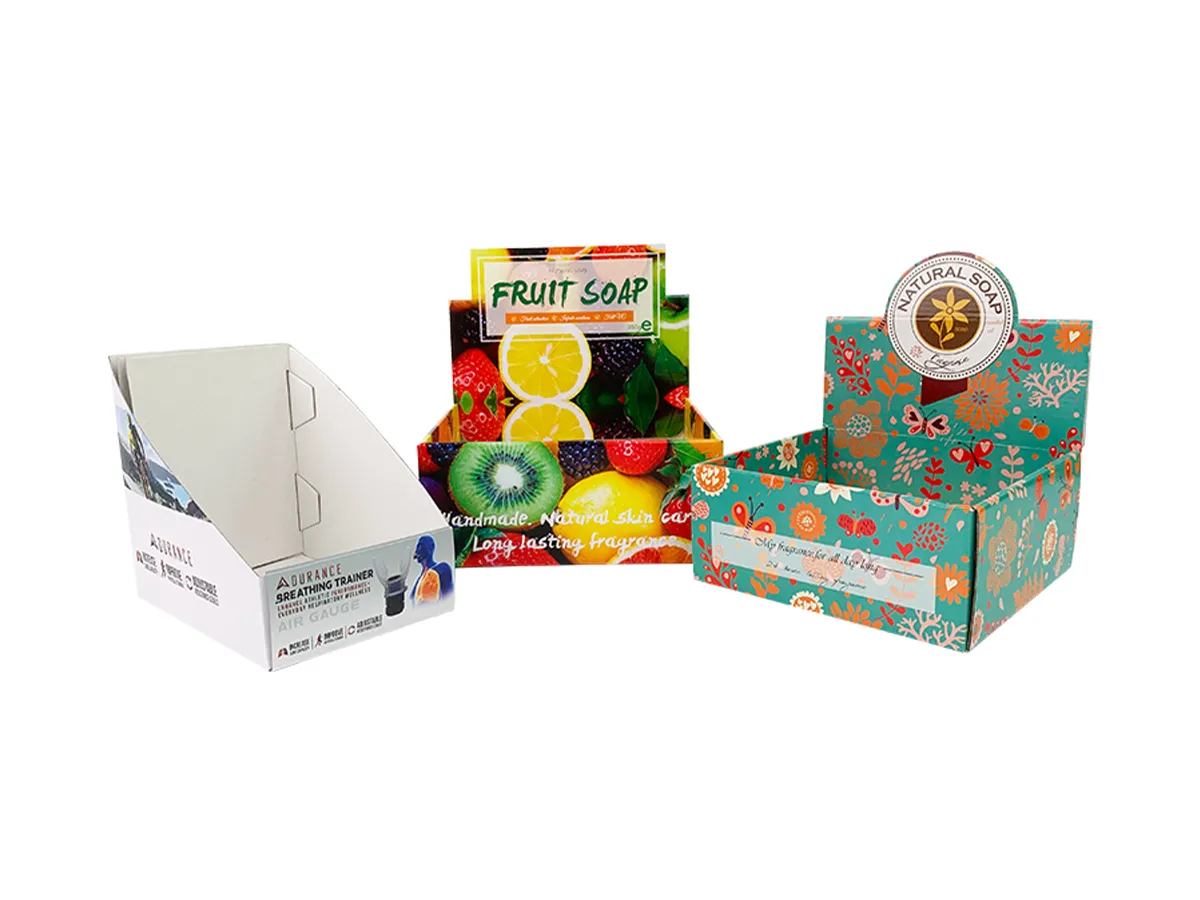
In retail packaging, a box often needs to do more than hold products. It may need to protect items in transit, organize them on the shelf, and help shoppers notice them quickly. That is where corrugated display boxes are useful. Corrugated packaging is built from linerboard and a fluted medium, which gives it strength while keeping it relatively lightweight. Because of that structure, it is widely used for both shipping and in-store display.
For buyers, the real question is not only what a corrugated display box is, but also when it is the right choice. Some products need more strength. Others need a smoother printing surface. That is why comparisons between corrugated cardboard and SBS paperboard come up so often in retail packaging decisions. SLD’s display box range reflects this practical split, with corrugated cardboard used where strength and shipping safety matter, and other paper-based display options used where presentation is the priority.
This guide explains the main types of corrugated display boxes, how they are used, and how to choose the right one for your product.
What Is a Corrugated Display Box?
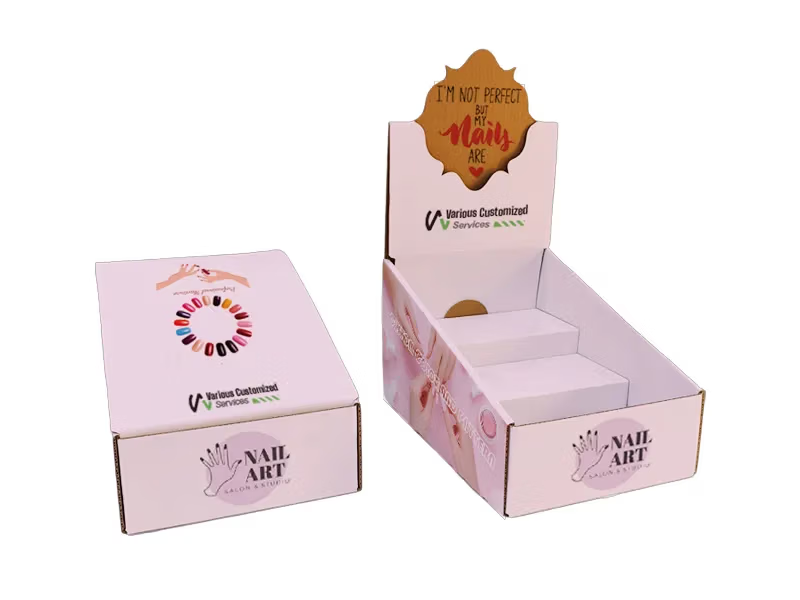
A corrugated display box is a retail packaging box made from corrugated board and designed to both hold products and present them visibly in a store. Unlike a plain shipping carton, it is meant to stay on the shelf, countertop, or promotional area where customers can see the items easily. Corrugated board itself is made from flat linerboard and a fluted inner medium, and that fluted layer adds rigidity and cushioning.
In practice, this means one package can often serve two jobs. It can protect products during transport, then convert into a display unit when it reaches the store. Industry sources note that corrugated packaging can function as both a shipping container and a merchandising package, which is one reason it remains common in retail-ready packaging programs.
Corrugated display boxes are often used for snacks, cosmetics, health products, household goods, small electronics, and promotional packs. They are especially useful when products are sold in groups and need to be placed on shelves quickly.
How Corrugated Display Boxes Work in Retail
Retailers like display packaging because it saves time on shelf setup. Instead of unpacking many single units one by one, store staff can place a pre-packed display box directly onto a shelf or counter. This is why display boxes are closely related to retail-ready or shelf-ready packaging. The basic idea is simple: reduce replenishment time, keep products organized, and improve shelf visibility at the same time.
From a brand point of view, corrugated display boxes also create more visual space. The outer walls, front cut, side panels, and header area can all be printed to support branding or promotions. Fibre Box Association materials describe corrugated displays as eye-catching modular units that can be set up quickly and recycled after a promotion.
That combination of protection, speed, and presentation is the main reason these boxes are so widely used in supermarkets, convenience stores, beauty retail, pharmacies, and seasonal promotional campaigns.
Corrugated Cardboard vs. SBS Paperboard Display Boxes
This is one of the most important comparisons in display packaging because buyers often confuse the two.
Corrugated cardboard
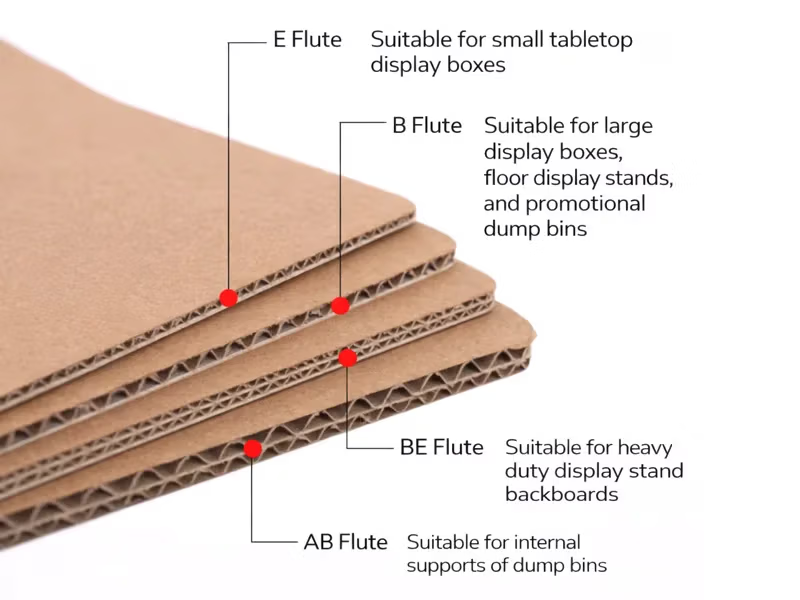
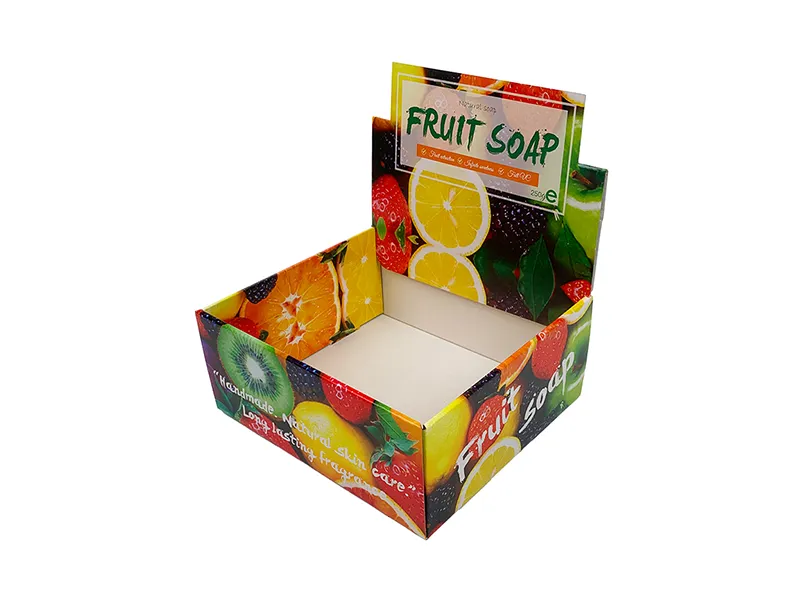
Corrugated board has a layered structure with liners and fluting. That structure gives it better compression strength and cushioning than plain paperboard. It is often chosen when the display box also needs to survive shipping, warehousing, stacking, or rougher handling.
Corrugated is usually the better fit when:
- the products are heavier
- the box must travel through distribution before display
- the display will be stacked
- the structure needs more rigidity
SBS paperboard
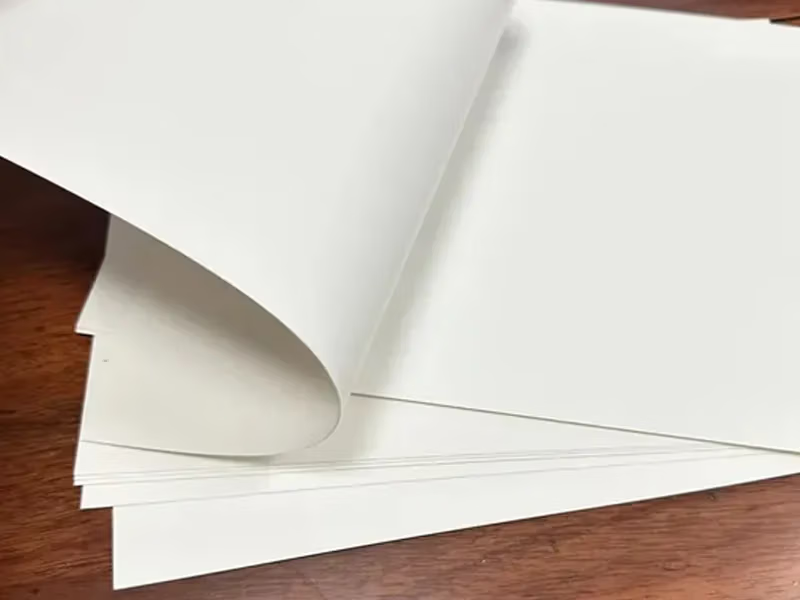
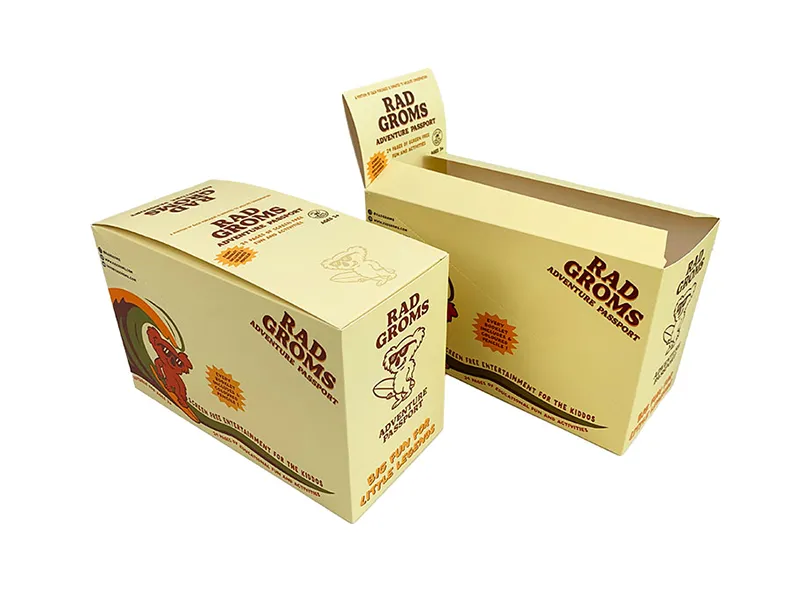
SBS, or solid bleached sulfate, is a virgin-fiber paperboard grade known for its bright white appearance and smooth printable surface. It is commonly used when packaging needs cleaner graphics, sharper color reproduction, and a more refined shelf look.
SBS is usually the better fit when:
- the products are light
- print appearance matters more than structural strength
- the packaging is aimed at premium retail presentation
- the box does not need to perform like a shipping carton
Which one should you choose?
A simple way to decide is this:
If the package must handle shipping stress and retail display, corrugated is often the safer choice. If the package is mainly for lightweight retail presentation, SBS paperboard may be more suitable because of its smoother surface and premium print quality. This same distinction appears on SLD’s display packaging pages, which highlight corrugated cardboard for strength and shipping safety.
Shelf Display Boxes
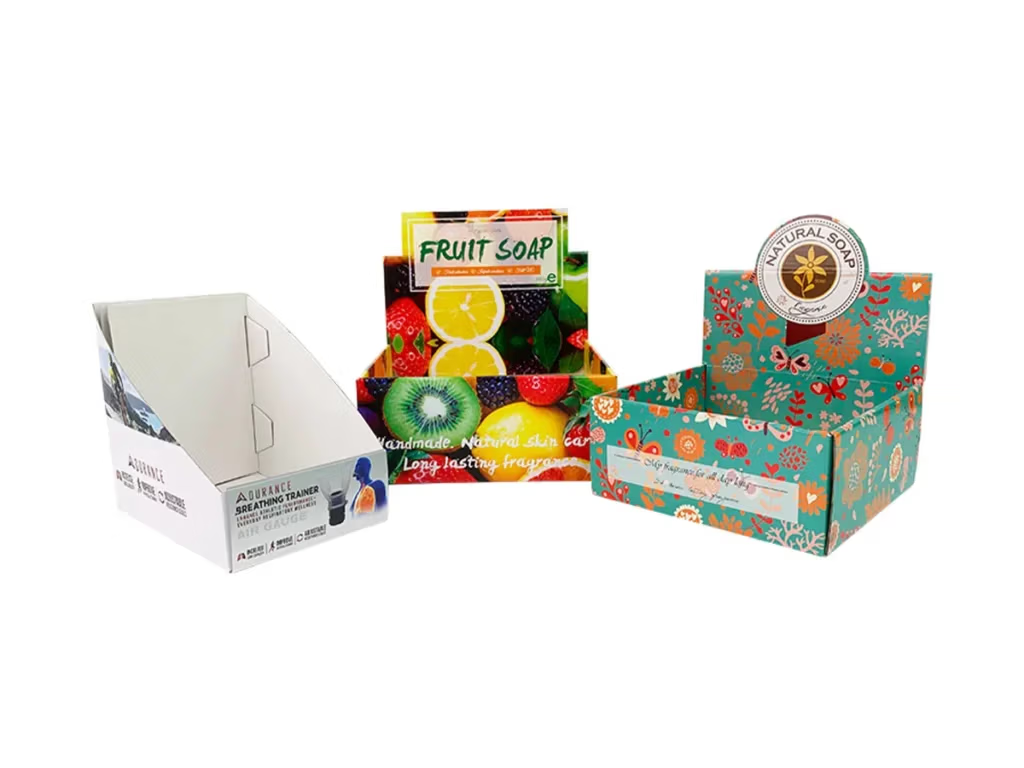
A shelf display box is a broad term for any display box designed to sit directly on a retail shelf. The goal is simple: keep products upright, visible, and easy to take. Compared with standard cartons, shelf display boxes usually have an open front or cut-down panel so the products can be seen without fully removing them from the box.
These boxes are common for fast-moving consumer goods because they help with front-facing presentation and faster restocking. In many retail programs, the display box is delivered pre-packed, opened along a tear line, and placed directly on the shelf. That reduces labor and keeps products grouped neatly.
Shelf display boxes can be made from corrugated board, SBS paperboard, or mixed materials depending on the product and the retail environment.
PDQ Display Box
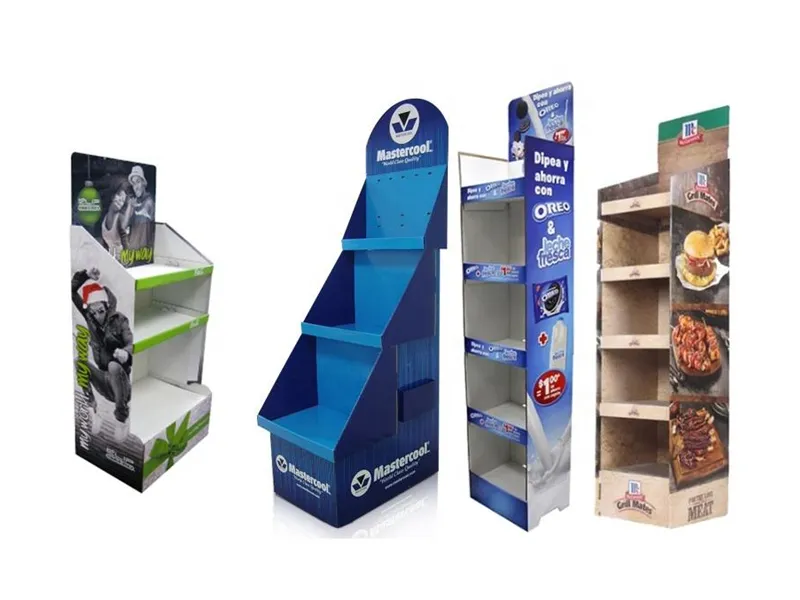
A PDQ display box is typically a compact retail-ready display designed for quick placement in-store. In packaging practice, PDQ is widely used to describe displays that arrive filled or nearly ready to use, so retail staff can place them on shelves, counters, or promotional areas with minimal setup. While terminology can vary by buyer or market, the practical meaning is usually the same: fast replenishment and fast display.
PDQ display boxes work well for:
- checkout products
- promotional bundles
- trial-size packs
- cosmetics and personal care items
- convenience retail items
The reason brands use PDQ formats is not complicated. They save time, keep presentation consistent, and help launch promotions quickly across multiple stores. When the products inside are not too heavy, a PDQ structure can be both efficient and visually clean.
Stackable Corrugated Display Box
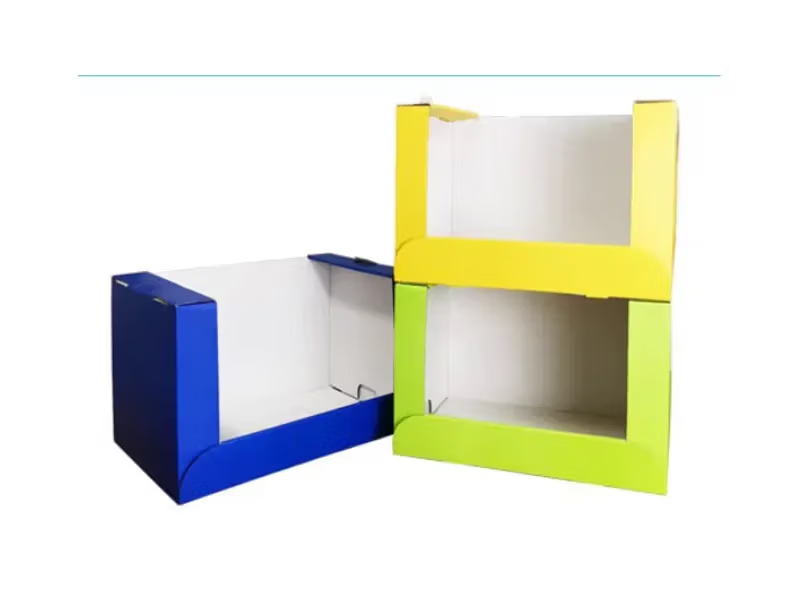
A stackable corrugated display box is designed so multiple units can be placed one on top of another without losing stability. This is useful when stores want to build vertical product blocks, increase visibility, or make better use of limited floor or shelf space.
Stackable displays need more than just strong board. They also depend on structure. Tabs, locking points, load distribution, and board grade all matter. Fibre Box Association technical materials on common footprint corrugated display containers note that stacking tabs are required for display containers in the standard they describe, which shows how important interlocking and stability can be in stacked retail formats.
These boxes are often used for:
- promotional islands
- club-store style retail
- high-volume snack or beverage displays
- seasonal campaigns
- shelf systems where products are replenished in layers
If a display will be stacked, corrugated usually performs better than standard paperboard because it offers more structural support.
Other Common Corrugated Display Box Styles
Beyond PDQ and stackable designs, there are several related display structures that appear often in retail packaging.
Display box with tray
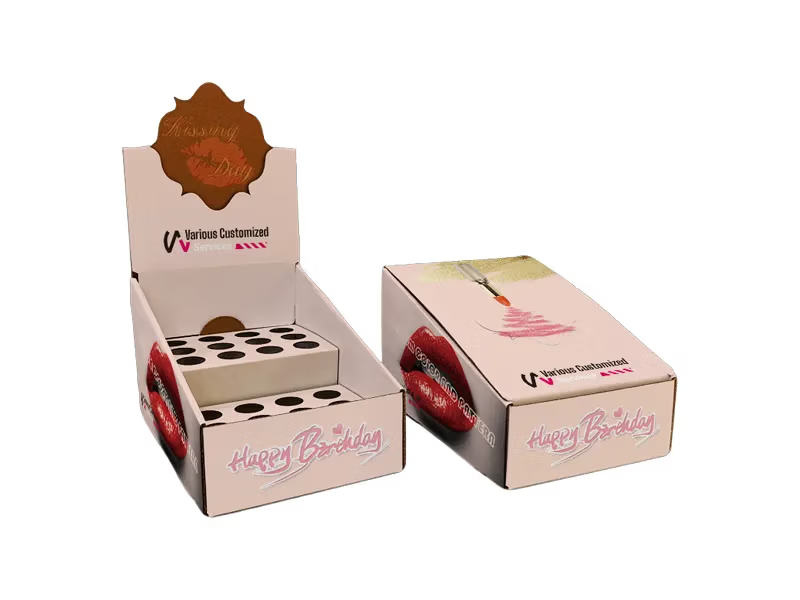
This style uses a tray base to hold the products neatly in place. It makes loading easier and helps maintain order as shoppers remove items. Tray-based displays are common for cosmetics, food packs, and small consumer products.
Header display box
A header card or raised back panel adds space for branding, instructions, or promotional graphics. This is helpful when the products themselves are small and need extra visual support to stand out on a crowded shelf.
Counter display box
Counter displays are smaller units made for checkout areas or compact retail spaces. They are often used for impulse purchases because shoppers can see and grab the products easily.
Benefits of Corrugated Display Boxes
The biggest strength of corrugated display packaging is balance. It offers a mix of protection, flexibility, and visibility that many other packaging formats cannot match as easily.
Here are the main benefits:
Good strength-to-weight ratio. Corrugated packaging protects products without adding as much weight as many rigid alternatives. Fibre Box Association materials describe corrugated as both lightweight and structurally protective.
Useful for shipping and display. A corrugated display box can often move through transport, then serve as a shelf or counter display without needing a second outer package.
Fast shelf setup. Retail staff can place the box directly into the display area, which reduces handling time.
Flexible printing and branding. Corrugated can support a range of printing options, and higher-end looks can be improved further through coated liners, micro-flutes, or finishing techniques. SLD’s materials also note that custom display boxes can be printed with full-color graphics and specialty finishes.
Recyclable paper-based material. Corrugated packaging is widely recycled, which matters to both brands and retailers.
How to Choose the Right Corrugated Display Box
Choosing the right display box starts with the retail situation, not the artwork.
1. Look at product weight first
If the products are heavy, fragile, or packed in larger quantities, corrugated is usually the safer structural choice. Heavier loads need stronger board and a design that can resist crushing and shelf wear.
2. Think about where the display will be used
A countertop display, a supermarket shelf display, and a floor display do not need the same structure. Counter displays can be lighter and smaller. Floor displays and stackable units usually need stronger corrugated grades and more stable geometry.
3. Decide how important print quality is
If the visual finish is the top priority and the products are lightweight, SBS may offer a better print surface. If you need both display value and transport performance, corrugated often gives a better balance.
4. Check whether the box must ship pre-filled
If the display travels through distribution already packed with products, the structure needs to handle transit, opening, and shelf placement in one cycle. Corrugated is commonly used in that kind of retail-ready format.
5. Consider stacking needs
If the display will be stacked, do not treat that as a small detail. Stacking changes the load requirements and the structural design. Locking tabs, reinforced edges, and the right flute profile become much more important.
6. Match the box to the retailer’s shelf space
A good display box fits the real shelf depth, product count, and restocking habits of the store. A box that looks good in a mockup but wastes shelf space or blocks product access will not perform well in practice.
FAQ
What is the difference between a corrugated display box and a folding carton display box?
A corrugated display box uses fluted corrugated board, so it generally offers more structural strength and better shipping performance. A folding carton display box is usually made from paperboard such as SBS, which is smoother for printing but less suited to heavier loads.
Are corrugated display boxes good for heavy products?
Yes. They are often better for heavier items than plain paperboard because the fluted structure improves rigidity and cushioning.
What is a PDQ display box?
In retail packaging, a PDQ display box usually refers to a ready-to-place display unit that helps stores set products out quickly with minimal setup.
Can corrugated display boxes be stacked?
Yes, but only if the structure is designed for stacking. Board grade, locking features, and load distribution all matter.
Are corrugated display boxes recyclable?
In most markets, corrugated packaging is widely recyclable as a paper-based material.
Final Thoughts
Corrugated display boxes are popular because they solve a very practical retail problem. They protect products, help stores save time, and support better shelf presentation in one package. For heavier items, shipping-ready programs, and stackable retail displays, corrugated is often the better choice. For lighter products where print appearance matters most, SBS paperboard may be the better fit.