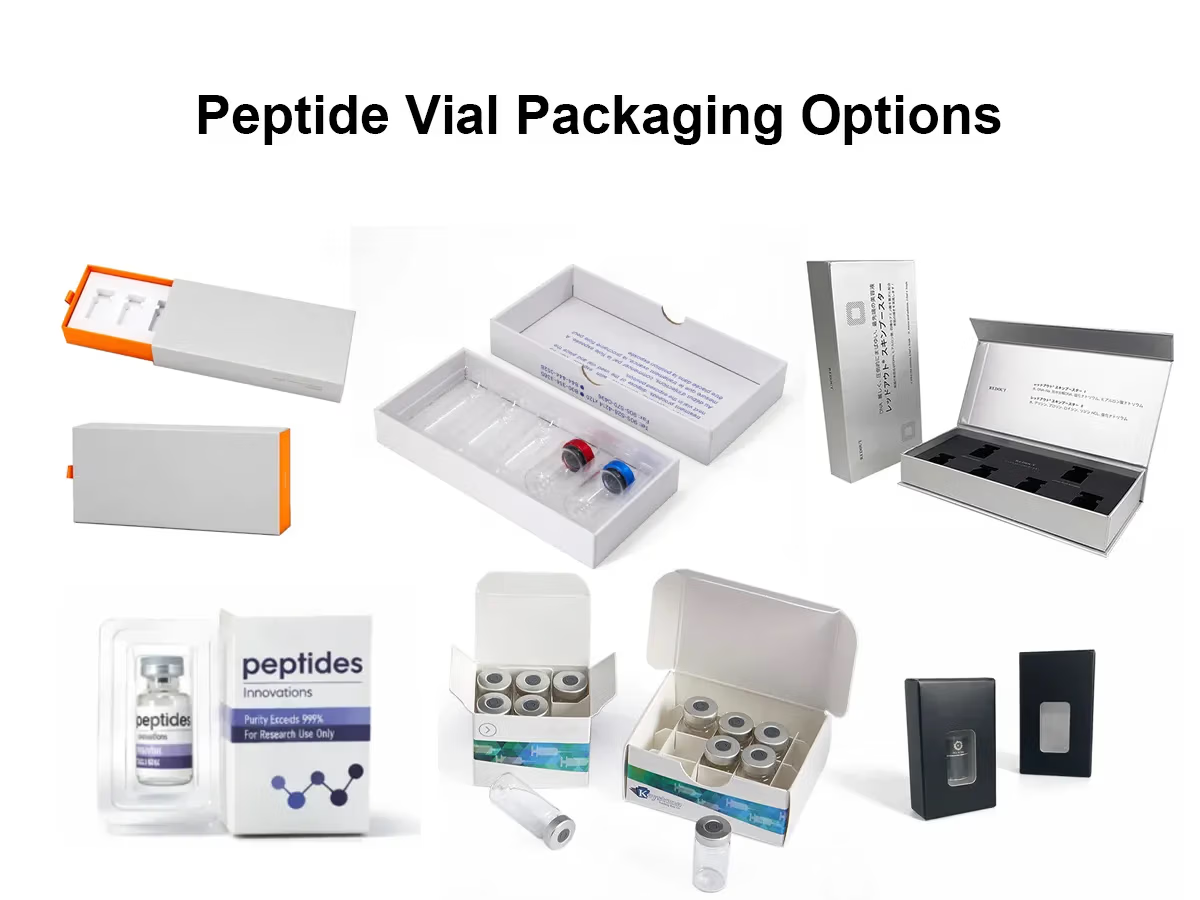
Peptide vials are small, fragile, and easy to damage if the packaging is not planned well. A good box needs to do four things at once: protect the glass, keep the vial stable, present the product clearly, and stay within budget. In most custom paper packaging projects, the practical choice comes down to two structure families: folding cartons for lower-cost packaging and rigid gift boxes for premium presentation. SLD Packing’s published box range follows the same logic, separating cost-effective foldable paper boxes from magnetic, drawer, and two-piece rigid boxes used for higher-end packaging.
For peptide vial products, the packaging also needs a clean information hierarchy. If the product is sold into regulated medical, pharmaceutical, or research channels, the outer carton and container label should make identification easy. FDA guidance recommends placing critical product information on the principal display panel, including the product name, dosage form, strength, route of administration, and warnings or cautionary statements where applicable.
Why peptide vial packaging needs a structure-first approach
With peptide vials, the insert often matters as much as the outer box. The carton gives the pack its shape and brand appearance, but the insert is what stops the vial from moving, knocking into other vials, or breaking during shipping and handling. That is why box style and insert material should be chosen together, not as two separate decisions. SLD Packing’s insert guidance for rigid boxes and related packaging repeatedly centers on EVA, paper, and plastic inserts that are shaped to hold products in place and protect them during transport.
A practical way to design this kind of packaging is to think in three product levels: economy, display, and premium. Economy packs focus on cost control and shipping efficiency. Display packs give the product a cleaner retail look, often with a visible vial or a more organized tray. Premium packs add stronger rigid structure, better insert fit, and a more polished unboxing experience. That tiered approach matches the structure options commonly offered across folding cartons, magnetic boxes, drawer boxes, and two-piece rigid boxes.
Folding cardboard boxes: the most practical low-cost choice
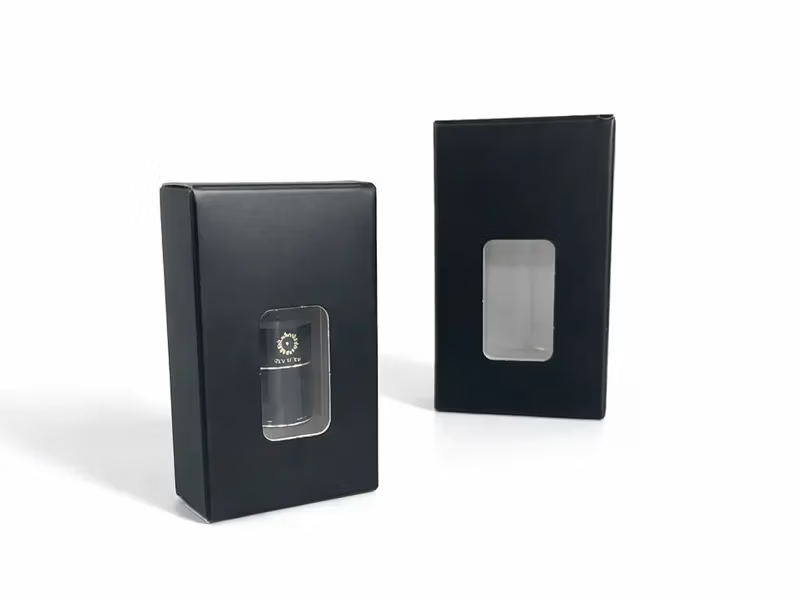
For relatively inexpensive peptide vial packaging, folding cardboard boxes are usually the most sensible starting point. They are lighter than rigid boxes, easier to ship flat, and well suited to custom printing. SLD Packing describes foldable paper boxes as cost-effective, lightweight, and versatile, while its broader box-style guide positions paper boxes as a practical option for everyday products rather than luxury presentation.
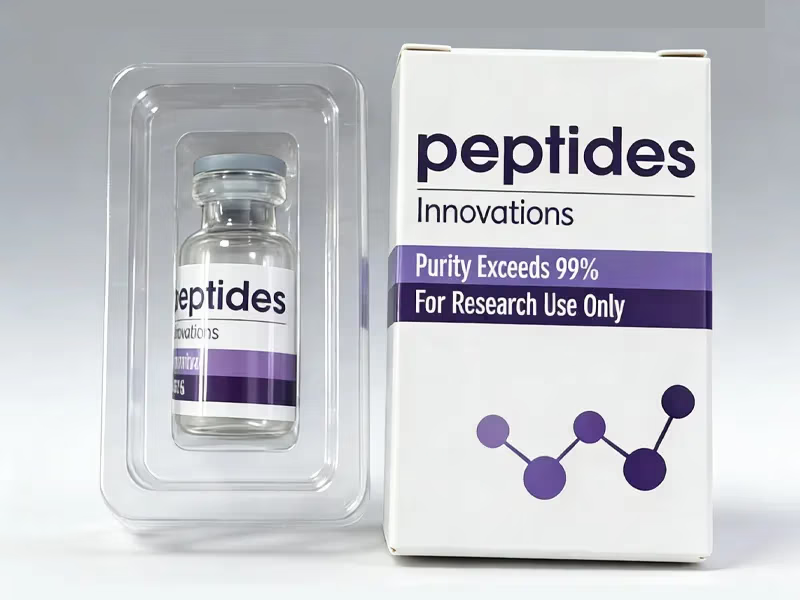
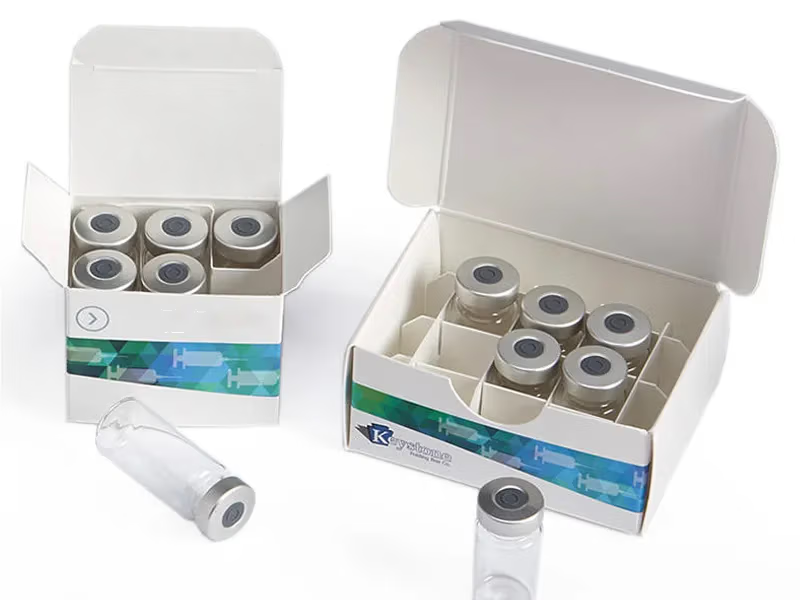
Among folding carton formats, three structures make the most sense for peptide vials. The first is the window carton, which works well for single-vial presentation when you want the product visible from the outside. The second is a folding carton with an inner tray, which is better for 2-, 5-, or 10-vial sets because it keeps the contents separated. The third is a simple tuck-end or auto-bottom carton, which is best for routine packs where cost matters more than display. These structures give enough flexibility for printing, inserts, and branding without moving into rigid-box cost levels.
Premium gift boxes: better structure and higher perceived value
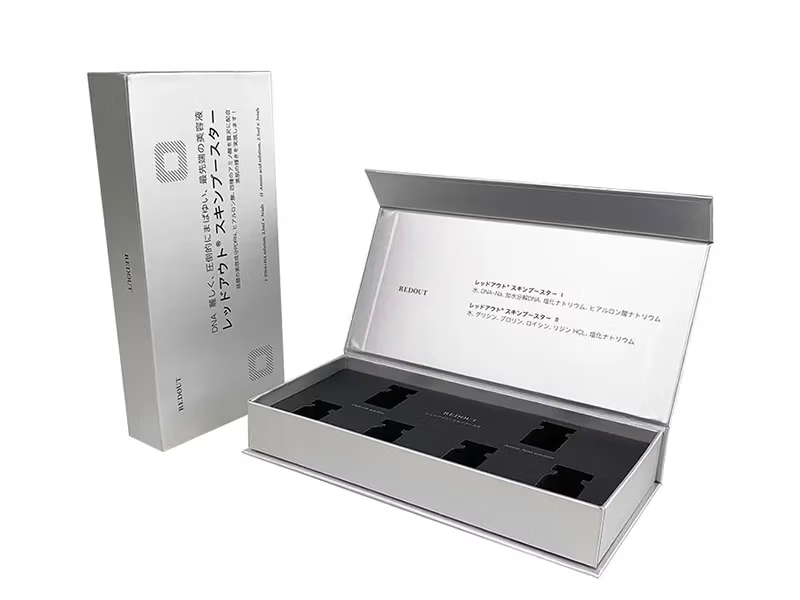
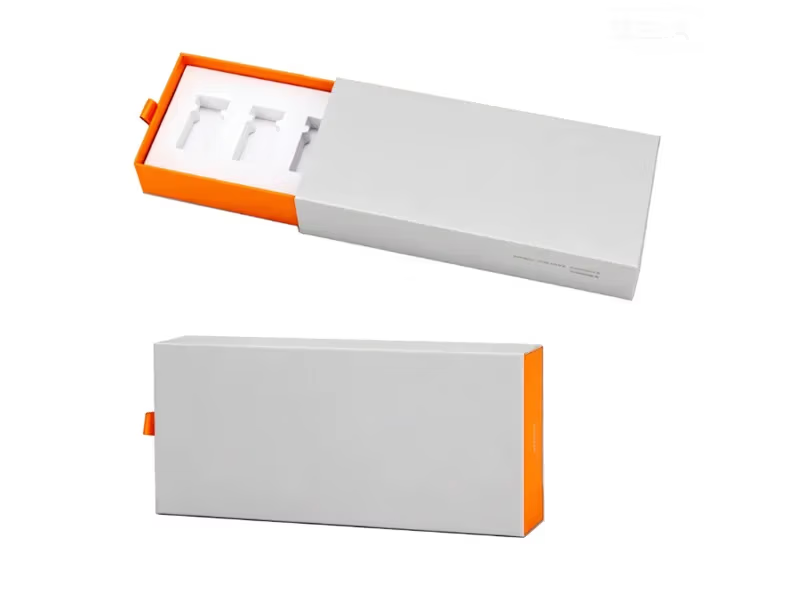
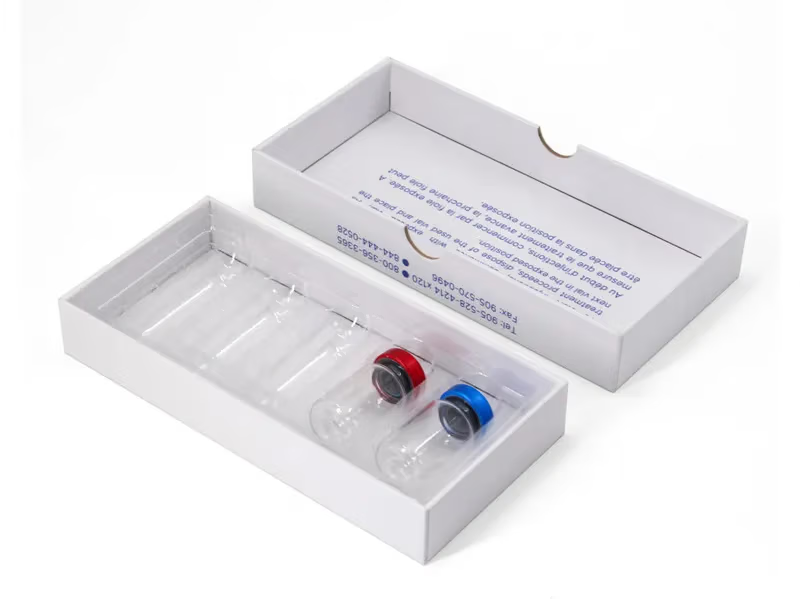
When the packaging needs to feel more upscale, rigid gift boxes are the next step. The three most useful options for peptide vial kits are the magnetic box, the drawer box, and the lid-and-base box, which is also commonly called a two-piece rigid box. SLD Packing’s product and style pages describe magnetic boxes as premium rigid packaging, drawer boxes as a refined slide-out structure, and lid-and-base boxes as a classic premium format with a detachable lid and sturdy base.
These premium structures are not always necessary for every peptide product, but they are useful when presentation matters as much as protection. A magnetic box works well for launch kits or premium multi-vial sets. A drawer box adds a more deliberate unboxing experience. A lid-and-base box is the safest classic choice when you want the pack to look formal, stable, and clean. For brands that need to save space in transit, SLD Packing also notes that collapsible magnetic boxes and foldable two-piece boxes can ship flat, while non-collapsible or rigid versions provide a stronger, more premium structure.
Comparison table: common peptide vial box styles
The table below summarizes the six box styles most relevant to peptide vial packaging and matches them with insert options commonly used in these structure families. The structure categories and insert materials are consistent with SLD Packing’s published folding-carton, magnetic-box, rigid-box, and insert guidance.
| Box type | Cost level | Best use | Recommended insert | Main advantage |
|---|---|---|---|---|
| Window folding carton | Low to medium | Single vial display pack | PET | Lets the vial stay visible while keeping the carton lightweight |
| Folding carton with inner tray | Low to medium | 2–10 vial packs | Paper or PET | Good balance of protection, order, and cost |
| Tuck-end or auto-bottom carton | Low | Routine sales, shipping, or bulk packs | Paper | Simple structure, easy production, efficient packing |
| Magnetic rigid box | High | Premium kits, launch sets, gift presentation | EVA | Strong perceived value and secure structure |
| Drawer box | High | Sample kits or branded premium sets | EVA | Refined slide-out opening and organized presentation |
| Lid-and-base rigid box | High | Formal retail or clinic-style presentation | EVA or paper | Stable classic structure with strong shelf appeal |
Which insert material should you choose?
For cost-sensitive projects, paper inserts are usually the best place to start. They are easier to keep within a paper-based packaging system, and they work especially well in folding cartons where the goal is basic separation and neat arrangement rather than luxury presentation. In practical terms, a paper insert is often enough for lighter vial sets when the outer carton already provides decent support.
A PET insert is the better option when visibility matters. If the pack uses a window, or if the product needs a cleaner retail look, PET helps hold the vial in a fixed position while keeping the presentation tidy and easy to understand at a glance. This makes it a strong match for single-vial cartons or small display-oriented packs.
An EVA insert is usually the premium choice. It is commonly used in magnetic boxes, drawer boxes, and other rigid gift boxes because it can be cut to fit the vial closely and gives the pack a more finished, higher-value feel. SLD Packing’s magnetic and rigid box pages specifically present EVA alongside paper and plastic inserts as a protective solution for keeping products secure and preventing loose movement.
Small design details that make a big difference
The first detail to get right is fit. If the cavity is too loose, the vial will rattle. If it is too tight, the user will struggle to remove it. That sounds obvious, but in peptide vial packaging it affects both safety and user experience. Inserts should hold the shoulder or body of the vial cleanly, while still leaving enough finger space for easy removal. SLD Packing’s insert guidance emphasizes precise fit for keeping products safe and neat when the box is opened.
The second detail is front-panel clarity. Peptide packaging often looks better with a minimal design, but the design still has to make product identification simple. A white or soft gray background, one accent color, and a short molecular or clinical-style graphic usually work well. More important than decoration, though, is making sure the principal display panel stays easy to scan. FDA guidance stresses that key information should appear on the panel most likely to be viewed by the end user.
The third detail is shipping and storage efficiency. This matters more than many buyers expect, especially when several SKUs are involved. Folding cartons save space before assembly, which helps control logistics costs. Premium rigid structures look stronger, but they take up more room unless a collapsible version is used. SLD Packing’s product pages make this trade-off very clear for both magnetic boxes and two-piece boxes.
Best packaging combinations for different budgets
For an entry-level peptide vial pack, the safest recommendation is a folding carton with a paper insert. This combination keeps the structure simple, production cost lower, and packaging weight manageable. It works well for routine sales, starter products, and projects that need a clean result without premium-box pricing.
For a display-oriented single-vial pack, a window folding carton with a PET insert is usually the better choice. The box stays affordable, but the vial becomes easier to see and the whole pack feels more deliberate. This format is especially useful when visual presentation influences purchasing decisions.
For a premium peptide kit, the strongest option is a magnetic box, drawer box, or lid-and-base rigid box with an EVA insert. That combination gives the product a more secure fit and a noticeably more premium presentation. It is the right direction for launch kits, gift sets, clinic presentation packs, or any higher-priced SKU where the packaging needs to communicate more value.
Final thoughts
The best peptide vial packaging is rarely the most complex structure on the page. It is the one that matches the product’s price level, protects the vial properly, and presents the information clearly. For most brands, that means building a simple packaging ladder: folding carton plus paper insert for economy, window carton plus PET insert for display, and rigid gift box plus EVA insert for premium presentation. That approach keeps the range easy to manage while giving each product tier a clear packaging logic.