Finding a paper packaging supplier is easy. Finding one that stays reliable order after order is much harder.
Many suppliers can offer a low quote. Fewer can keep the same material quality, print accuracy, delivery schedule, and communication standard when your project becomes more complex. That is why experienced buyers usually look past price first. They check quality systems, sampling, documentation, capacity, and how the supplier handles problems before they place a serious order. Recent packaging audit guidance also recommends reviewing a supplier’s documented controls and performance history before moving ahead.
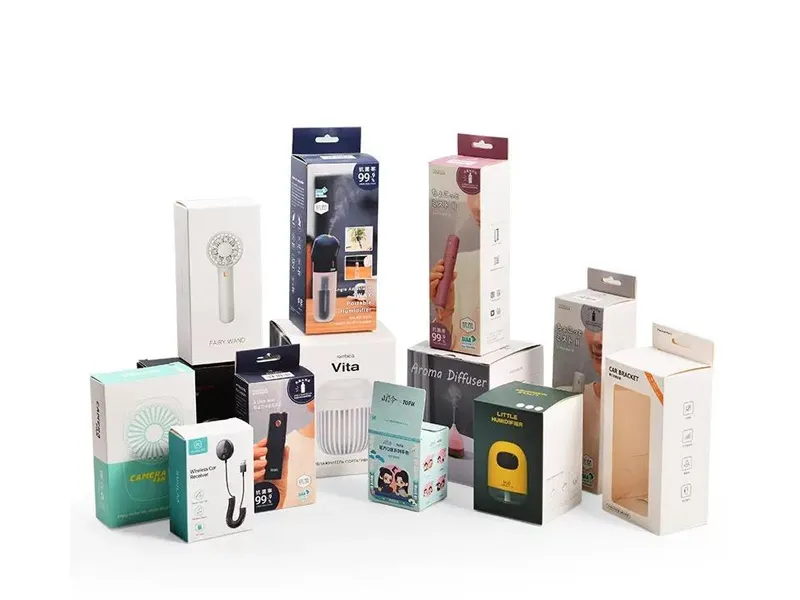
For brands buying custom paper boxes, paper bags, rigid gift boxes, display boxes, or printed cards, the right supplier should make the process simpler, not harder. A reliable partner helps you protect your product, present your brand well, and avoid delays that can disrupt launches or sales plans.

Quick Table: 10 Signs of a Reliable Paper Packaging Supplier
| Sign | Why it matters | What to check |
|---|---|---|
| 1. Real manufacturing experience | Reduces avoidable mistakes | Factory history, production scope, equipment |
| 2. Consistent material quality | Protects products and brand image | Paper grade, board strength, finish quality |
| 3. Stable printing results | Keeps packaging professional | Color consistency, logo sharpness, surface finish |
| 4. Clear certifications and documents | Builds trust and supports compliance | FSC, test reports, material declarations |
| 5. Strong customization ability | Helps packaging fit your product and brand | Size, structure, inserts, printing, finishing |
| 6. A reliable sampling process | Catches issues before mass production | Dielines, mockups, white samples, printed samples |
| 7. Documented quality control | Improves consistency across runs | In-process checks, final inspection, traceability |
| 8. Realistic lead times | Protects launch dates and reorders | Production schedule, sample timing, delivery planning |
| 9. Clear communication | Reduces costly misunderstandings | Response speed, revision handling, updates |
| 10. Genuine sustainability practices | Supports long-term sourcing goals | Certified materials, traceability, practical claims |
Why Reliability Matters More Than a Low Price
Cheap packaging can become expensive very quickly.
A weak supplier may save you money on the first quotation, but that saving disappears when colors shift between batches, box sizes do not fit the product, or production runs late. The cost of packaging errors is rarely limited to the packaging itself. It can affect product protection, customer experience, rework costs, and delivery deadlines.
That is why smart buyers often ask a simple question: can this supplier do the same job well every time? Reliability is really about consistency. It shows up in the small details—how clearly a supplier answers questions, how carefully it checks artwork, how honestly it discusses lead times, and how quickly it fixes a problem when something goes wrong.
1. They Have Real Manufacturing Experience
A reliable supplier should be able to show real production experience, not just polished sales language.
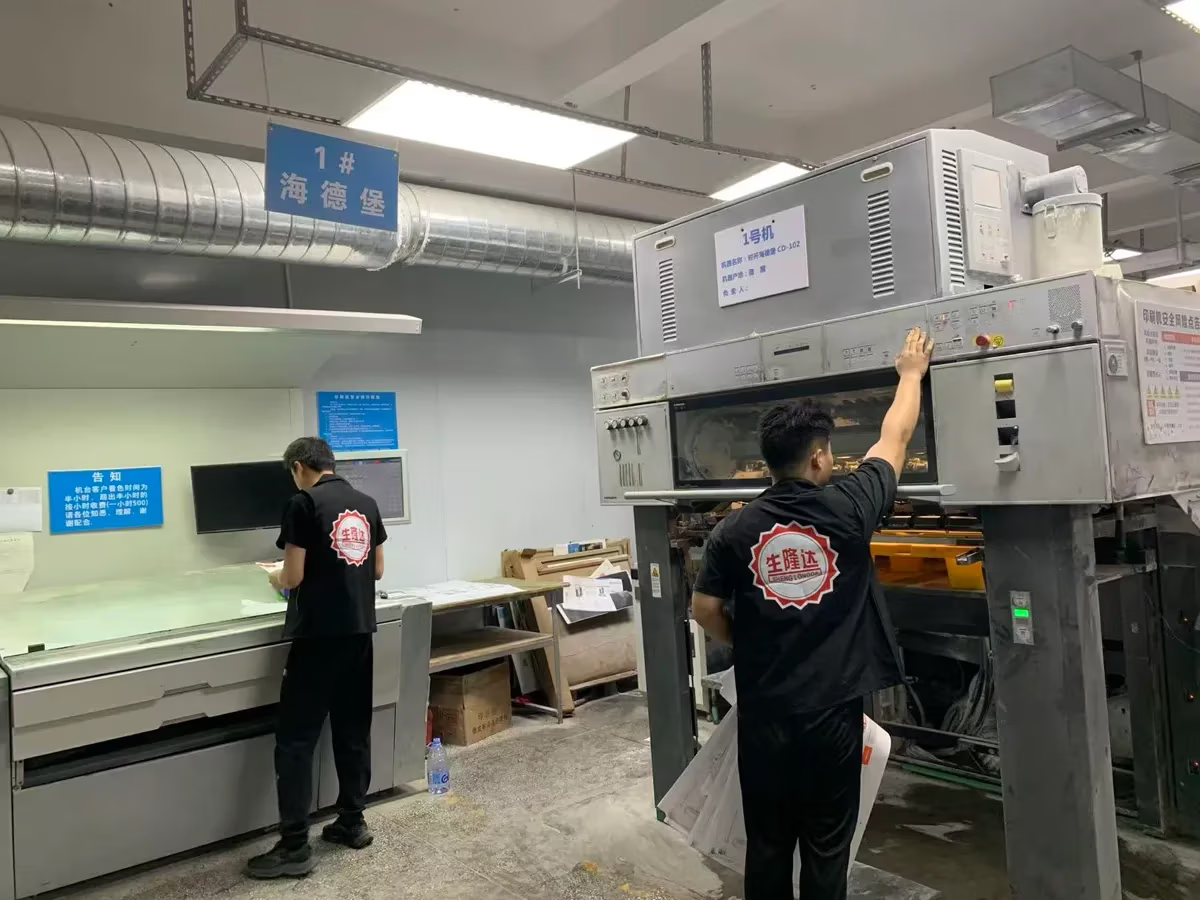
That does not always mean the oldest company is the best one. It means the supplier understands paper packaging as a manufacturing job. It knows how different materials behave, how structures affect strength, and how printing choices affect the final result. In practice, buyers often look for a supplier with a stable factory setup, clear product categories, and evidence of experience across common packaging formats. Packaging audit checklists also tend to start with production capability and documented operating controls.
This matters even more when you need custom work. A supplier that only handles simple standard cartons may struggle with rigid boxes, luxury finishes, inserts, or mixed-format packaging sets. For paper packaging buyers, experience should include both structure and print.
2. They Deliver Consistent Material Quality
Packaging starts with the material.
If the paper or board is not right, the whole project suffers. A box may collapse too easily. A bag may tear. A printed card may bend or feel cheap. Buyers should not only ask what material is being used. They should also ask why that material suits the product.
Reliable suppliers can explain the difference between material options in plain language. They can tell you when a thicker board is needed, when a specialty paper makes sense, or when a simpler and more cost-effective choice will still do the job. That kind of explanation is usually a good sign. It shows the supplier is thinking about performance, not just closing the order.
For custom paper packaging, material quality also affects brand perception. Even before a customer opens the package, they notice the texture, stiffness, weight, and finish. Good suppliers understand that packaging must protect the product and represent the brand at the same time.
3. They Keep Printing Quality Stable
In paper packaging, good printing is not only about bright color. It is about control.
A reliable supplier should be able to maintain color consistency, sharp text, clean lines, and tidy finishing across the full run. That matters for every market, but especially for cosmetics, gift packaging, retail packaging, and electronics packaging, where presentation directly affects perceived product value.
If your design uses foil stamping, embossing, spot UV, textured paper, or other special finishes, print control becomes even more important. A dependable supplier will talk openly about file setup, proofing, tolerances, and what can realistically be achieved in production.
This is one reason buyers should always ask for samples. A sample shows whether the supplier can translate a digital design into a real package that looks balanced, well-made, and ready for market.
4. They Can Provide Clear Certifications and Documents
Reliable suppliers do not ask buyers to trust claims that cannot be checked.
Instead, they provide documents. For paper packaging, one of the most recognized examples is FSC certification. The FSC explains that certified paper and packaging help demonstrate responsible sourcing, and its label system is tied to verified supply-chain controls.
That does not mean every project needs the same documents. Requirements depend on the product, destination market, and buyer standards. But a good supplier should be ready to discuss material origin, testing, and any declarations needed for the order. Recent supplier-audit guidance also stresses reviewing certificates, material specifications, and evidence packs before approving a supplier.
In practice, buyers should be careful with vague phrases like “eco-friendly” or “certified quality” when no proof is offered. A trustworthy supplier is usually comfortable sharing the actual paperwork.
5. They Offer Real Customization, Not Just Standard Options
Many suppliers say they do custom packaging. The difference is how much they can really customize.
A reliable supplier should be able to adjust size, structure, printing, insert style, and finishing details to suit the product. That matters because packaging is rarely one-size-fits-all. A folding carton for skincare, a rigid box for electronics, a paper bag for retail, and a presentation card for accessories all have different needs.
Good customization is not only about appearance. It also improves fit, protection, storage efficiency, and customer experience. SLD Packing’s product pages, for example, emphasize customization across box style, size, color, printing, inserts, and finishing for paper packaging formats such as rigid boxes, display boxes, and paper bags.
The best suppliers make customization feel organized. They guide the buyer from concept to structure to sample without turning the process into a long series of unclear revisions.
6. They Have a Clear Sampling Process
A sample is not a formality. It is one of the best ways to reduce risk.
Before mass production begins, buyers should have a chance to confirm the basic structure, size, fit, print layout, and overall appearance. Depending on the project, that may mean a dieline, a white sample, or a full printed sample.
This step matters because many packaging problems are easier to fix before the order enters bulk production. A strong sampling process also shows how the supplier works. Is the sample close to the brief? Are changes tracked clearly? Does the supplier explain what is still adjustable and what will affect cost or timing?
On its custom packaging pages, SLD Packing notes free design drawings, sample support, and production timelines that begin after sample approval, which reflects a common best practice in custom packaging production.
7. They Use Documented Quality Control
Quality control is one of the clearest signs of reliability.
The important question is not whether a supplier says it checks quality. Nearly every supplier says that. The real question is how the checks are done and whether the process is documented.
Strong supplier-audit guidance recommends checking quality systems, traceability, change control, and corrective-action practices, rather than relying on simple yes-or-no answers. In other words, buyers should look for evidence that quality is managed throughout the process, not only at the final packing stage.
In paper packaging, that may include material inspection, color checking, dimensional checks, finishing checks, and final inspection before shipment. Packaging inspection guidance also notes that defects and inconsistencies are easier to control when they are identified early in the production process.
A reliable supplier should be able to explain this process clearly. If the answer is vague, that is usually a warning sign.
8. They Give Realistic Lead Times
Reliable suppliers do not win orders by making impossible promises.
They give lead times that match the actual job. A simple repeat order may move quickly. A complex rigid box with inserts, specialty paper, and multiple finishes will usually take longer. A good supplier knows the difference and says so early.
Lead time is not only about production speed. It also depends on sampling, artwork approval, materials, finishing, and shipping planning. Supplier-audit checklists commonly include capacity, lead-time norms, and documentation accuracy because delivery reliability depends on the whole system, not just the machine speed on the factory floor.
Some product pages on SLD Packing also give concrete reference points, such as sample timelines and production windows after approval, which is usually more useful than generic claims like “fast delivery.”
9. They Communicate Clearly When Things Change
Even good projects can hit unexpected issues.
A color may need adjustment. A finish may affect lead time. A structure may need minor changes after sampling. What separates a reliable supplier from an unreliable one is not the total absence of issues. It is how those issues are handled.
Good communication sounds simple, but it solves many expensive problems early. A reliable supplier replies clearly, confirms revisions, explains trade-offs, and keeps the buyer updated when timing or specifications change. In custom packaging, that is especially important because small misunderstandings in artwork or structure can become large errors in production.
Buyers should pay attention to communication during the quoting and sampling stages. That is often the clearest preview of what the full project experience will feel like.
10. Their Sustainability Claims Are Real
Sustainability matters, but buyers should still ask practical questions.
Responsible claims should be tied to real materials, real sourcing, and real documentation. FSC is one of the clearest examples in paper packaging because it links the product to verified responsible forest sourcing and a certified chain of custody.
Beyond certification, buyers can also ask sensible questions. Is the packaging recyclable? Can material use be reduced without weakening protection? Are there lower-impact paper options that still meet the product’s needs? These questions usually lead to better sourcing decisions than broad marketing language alone.
On SLD Packing’s site, sustainability claims are tied to specific points such as FSC-certified materials and tested adhesives, which is a more credible approach than generic “green” wording with no proof behind it.
Questions to Ask Before You Choose a Supplier
Before you approve a paper packaging supplier, ask a few direct questions:
Can you provide samples before mass production?
What material do you recommend, and why?
How do you control print consistency during production?
What documents can you share for certification or testing?
What is your normal lead time after sample approval?
How do you handle defects, revisions, or urgent changes?
These questions are simple, but they reveal a lot. A reliable supplier usually answers them with confidence, detail, and evidence.
Conclusion
A reliable paper packaging supplier is not defined by price alone.
The best suppliers combine solid manufacturing experience, stable materials, controlled printing, useful customization, clear documents, careful sampling, and honest communication. They do not just make packaging. They make the buying process safer and more predictable.
For any brand sourcing paper boxes, bags, cards, or other custom paper packaging, that kind of reliability is what turns a supplier into a long-term partner.