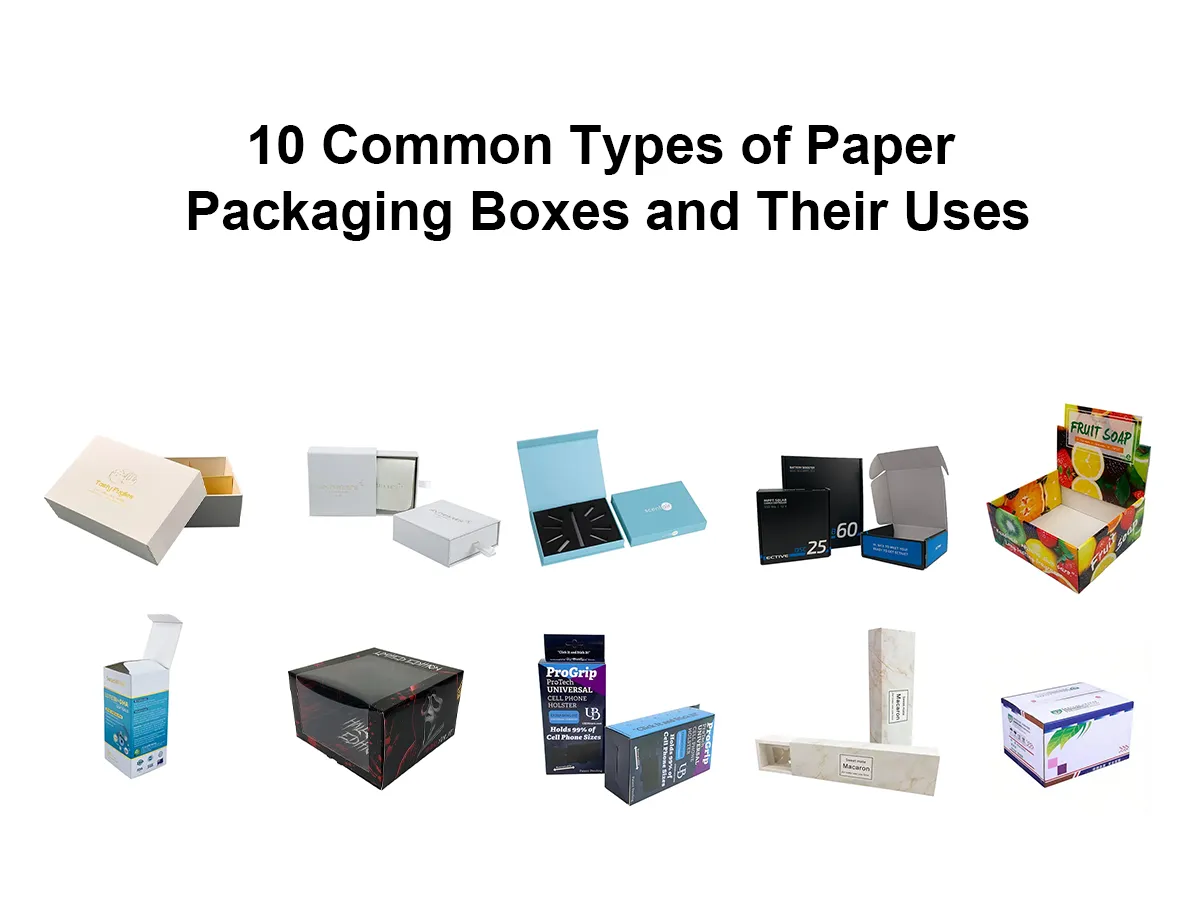
Not all paper packaging boxes do the same job. Some are made to look neat on a retail shelf. Some are built to survive shipping. Others are chosen because they feel more premium when the customer opens them. On paper, many of them seem similar. In real use, the structure changes everything: protection, storage, assembly time, shipping cost, and the way the product is presented.
In the custom paper packaging market, buyers usually compare box styles in three broad groups: folding cartons, rigid gift boxes, and corrugated shipping or display boxes. That is also close to how SLD Packing presents its product range, with foldable paper boxes, mailer boxes, display boxes, and luxury gift boxes as separate categories. FEFCO also notes that internationally recognized box codes exist to replace long verbal descriptions and make packaging structures easier to communicate across markets.
This guide explains 10 common types of paper packaging boxes and where each one works best. The goal is simple: help you choose a box based on product weight, protection needs, display requirements, and budget, not just appearance.
Quick Comparison of 10 Paper Packaging Box Types
| Box type | Typical structure | Best for | Main advantage | Relative cost |
|---|---|---|---|---|
| Tuck End Box | Folding carton with top and bottom tuck flaps | Light retail products | Simple and cost-effective | Low |
| Snap-Lock Bottom Box | Folding carton with interlocking bottom | Heavier retail items | Stronger base than a basic tuck box | Low to medium |
| Mailer Box | Corrugated self-locking shipping box | E-commerce, subscriptions | Good protection in transit | Medium |
| Foldable Lid and Base Box | Collapsible rigid two-piece style | Premium products that need flat packing | Saves storage and shipping space | Medium to high |
| Rigid Lid and Base Gift Box | Pre-assembled two-piece rigid box | Luxury gifts, jewelry, cosmetics | Strong premium presentation | High |
| Folding Drawer Box | Collapsible tray-and-sleeve box | Light premium items | Good unboxing with better storage efficiency | Medium |
| Drawer Gift Box | Rigid tray-and-sleeve box | Jewelry, accessories, gift sets | Premium opening experience | High |
| Display Box | Retail-ready display structure | Counter and shelf display | Better visibility in store | Medium |
| Magnetic Closure Box | Rigid box with hidden magnets | High-end gifts and kits | Premium feel and reusable structure | High |
| Corrugated Shipping Box | Regular slotted carton or similar corrugated box | Shipping, warehouse use | Durable and efficient | Low to medium |
This comparison table is based on common industry descriptions of folding cartons, tray-and-sleeve boxes, rigid boxes, display packaging, mailers, and regular slotted corrugated cartons.
1. Tuck End Box
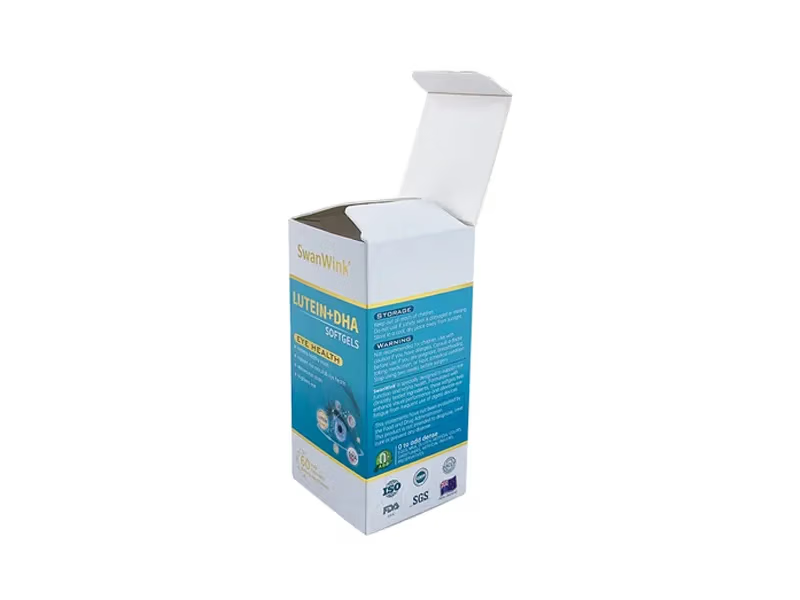
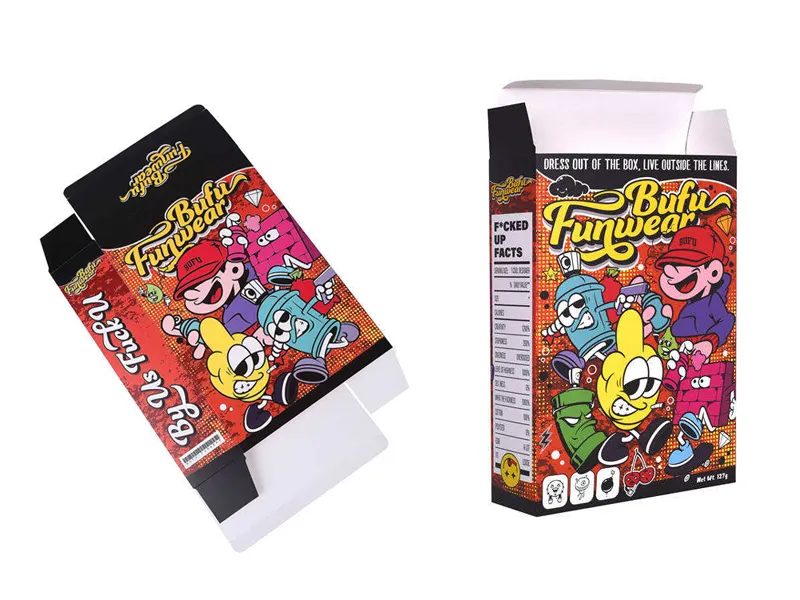
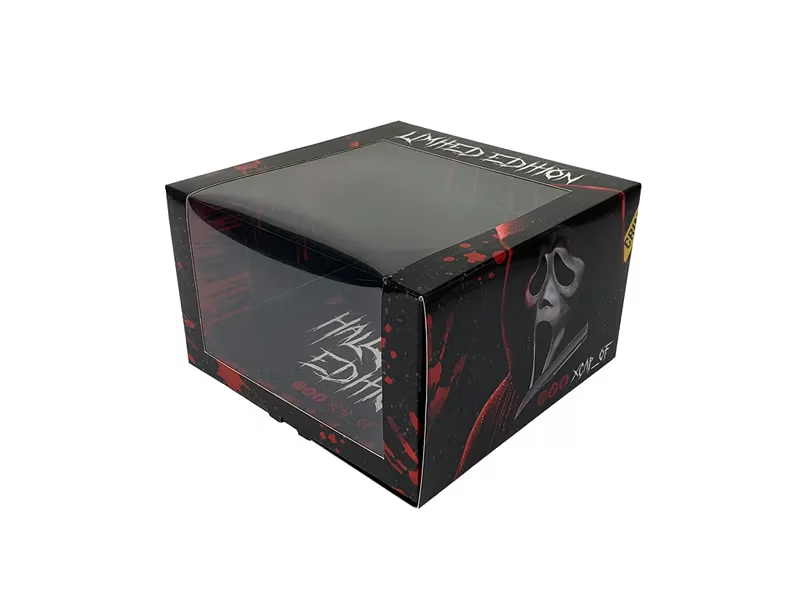
A tuck end box is one of the most common folding carton styles. In simple terms, it is a paperboard box with tuck flaps at the top and bottom. Straight tuck cartons are widely used because they present a clean front panel and work well for printed graphics. Reverse tuck cartons are also common and are often used for lightweight products because they ship flat, store easily, and are simple to assemble.
This box style is a practical choice for products such as supplements, cosmetics, small electronics, soap, tea, or other lightweight retail goods. It is usually chosen when brands want a low-cost printed carton with decent shelf presentation. The trade-off is strength. A tuck end box looks clean and works well for light items, but it is not the best option when the product is heavy or the bottom needs extra load-bearing support.
2. Snap-Lock Bottom Box
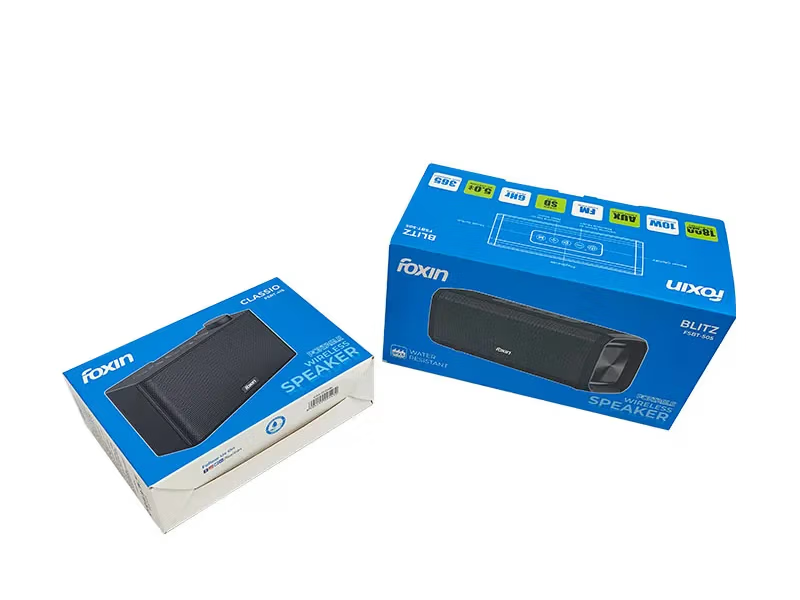
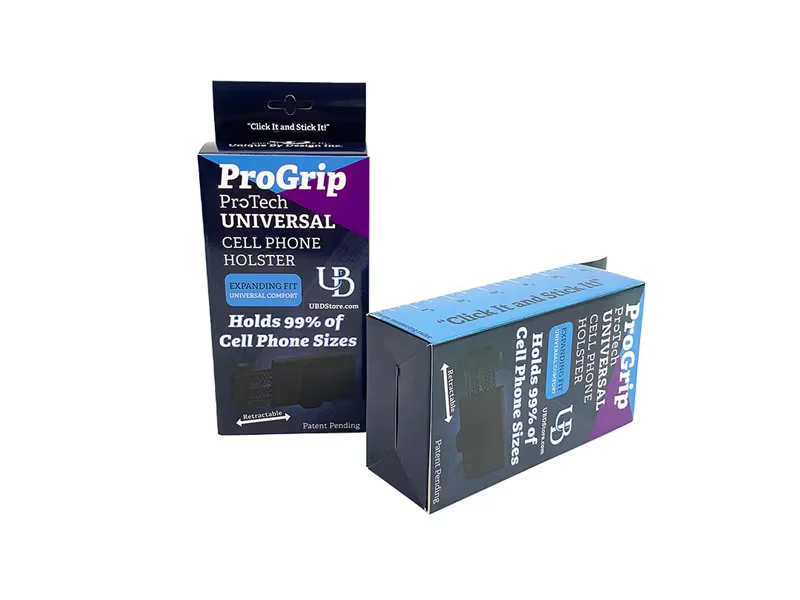
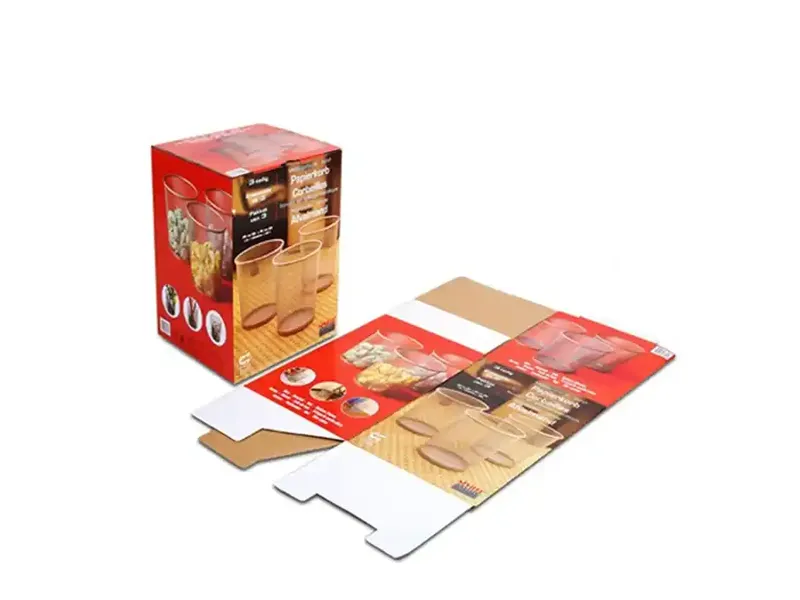
A snap-lock bottom box is a folding carton with interlocking bottom panels. You may also hear it called a 1-2-3 bottom box. Compared with a basic tuck end box, it offers better bottom support, which makes it more suitable for products with more weight. Packaging Corporation of America describes this style as easy to set up and convenient for smaller-volume users without automatic setup equipment.
This box style is often used for jars, bottles, health products, candles, and boxed food items that need a stronger base. It gives you more confidence than a standard tuck carton, but it still has limits. PCA notes that because the bottom is not fully sealed, it may not be the best fit for very heavy products or concentrated loads. In other words, it is a middle-ground structure: stronger than a simple carton, but not a replacement for corrugated shipping packaging.
3. Mailer Box
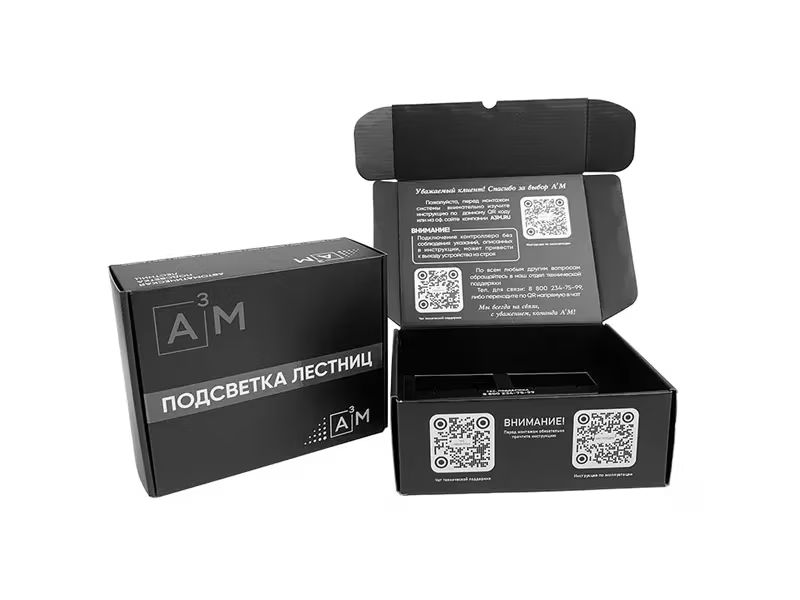
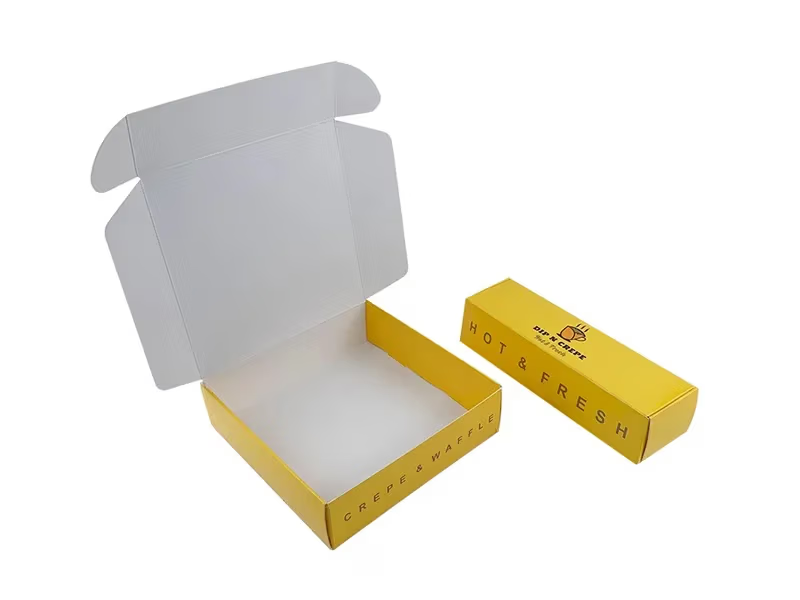
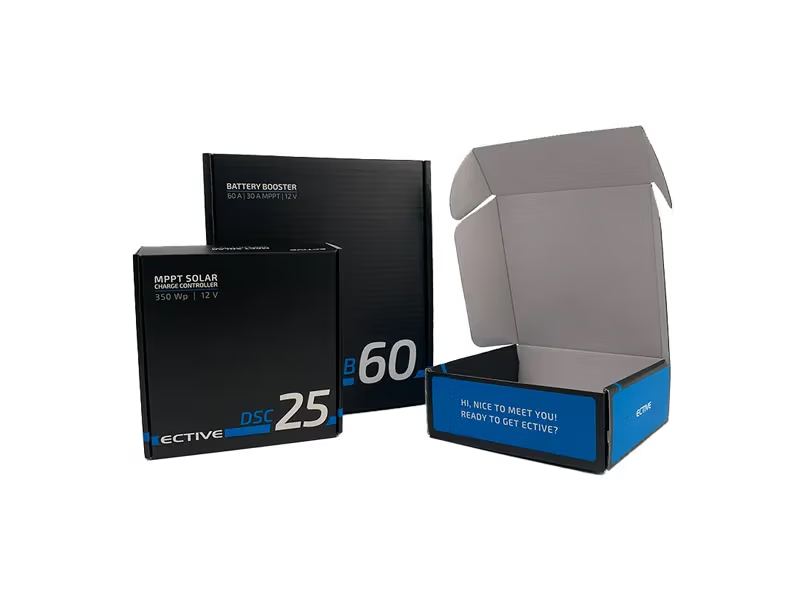
A mailer box is usually made from corrugated board and designed for direct shipping. It is a popular choice for e-commerce, subscription kits, promotional packs, and sample sets because the structure combines shipping protection with a clean branded presentation. On the SLD Packing website, mailer boxes are described as strong and reliable packaging built to protect products during shipping.
For many online brands, the mailer box is the point where shipping and branding meet. It is stronger than a folding carton, often self-locking, and easier to use as an outer pack without an extra shipping carton for lighter orders. The limitation is appearance at the luxury end. A mailer box can still look good, but if the goal is a high-end gift feel, rigid styles usually create a more premium impression. That is why mailers are often chosen for practicality first, then upgraded with printing, inserts, or tissue paper if needed.
4. Foldable Lid and Base Box
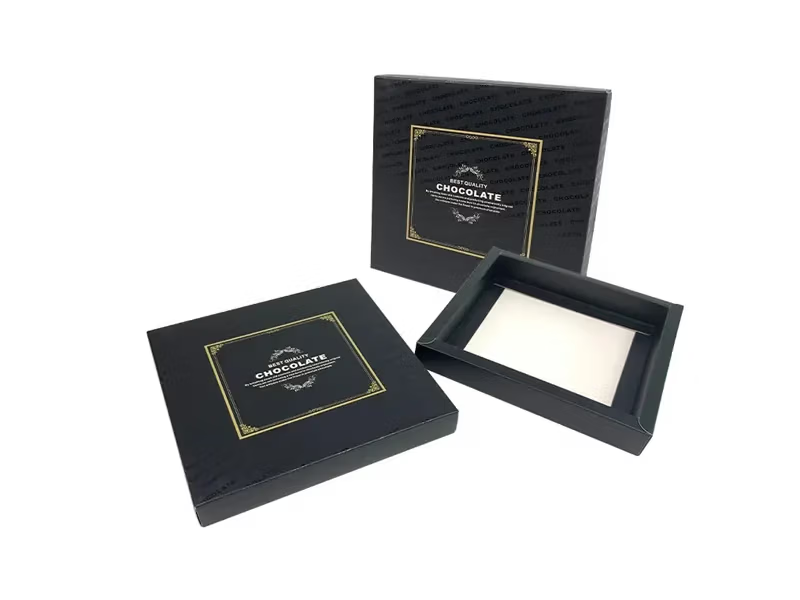
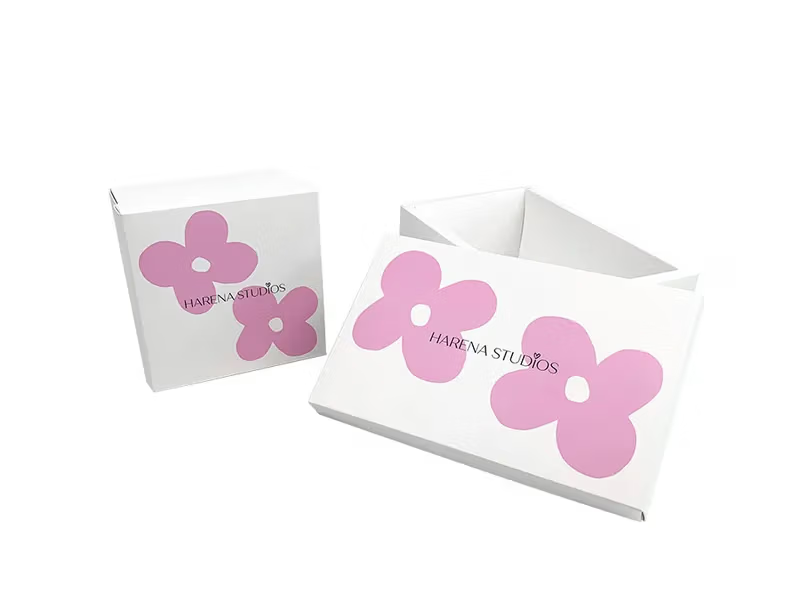
A foldable lid and base box is best understood as a collapsible rigid-style box. It keeps the visual look of a premium two-piece gift box, but it can fold flat before use. That matters more than many buyers expect. Conventional rigid boxes take up more room in storage and transit, while collapsible rigid boxes reduce space requirements and are easier to stack before assembly.
This style works well for clothing accessories, cosmetics, souvenirs, gift sets, and other products that need a premium look without the full logistics cost of a rigid set-up box. The biggest strength is efficiency. It gives brands a better balance between appearance and storage economy. The trade-off is that it still requires setup, and it may not feel quite as solid as a fully assembled rigid box when both are compared side by side.
5. Rigid Lid and Base Gift Box
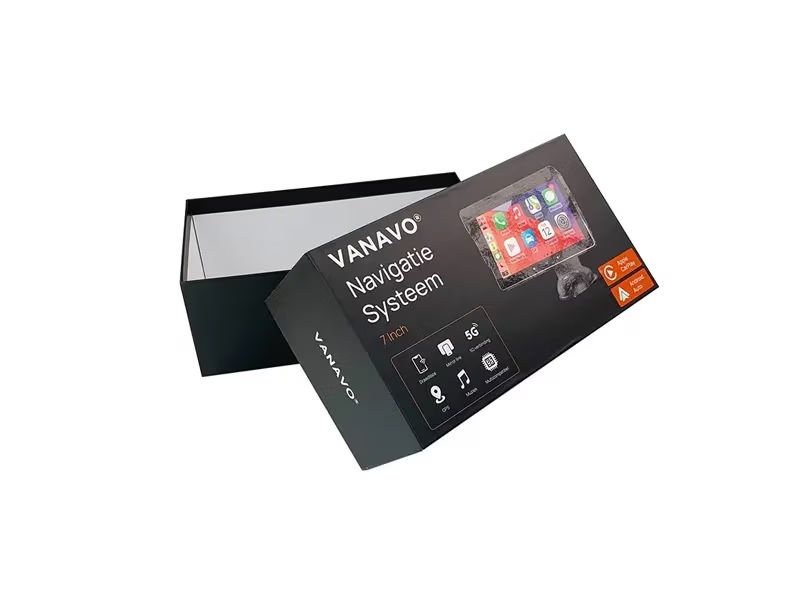
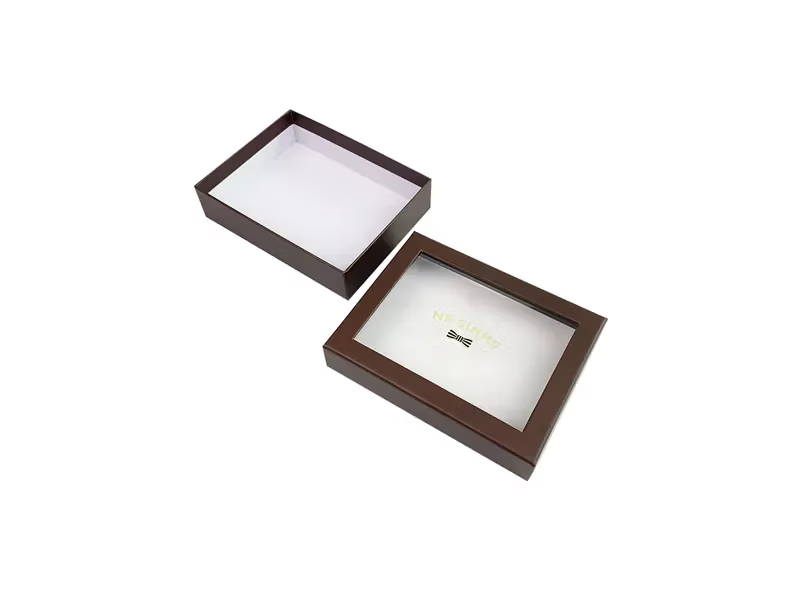
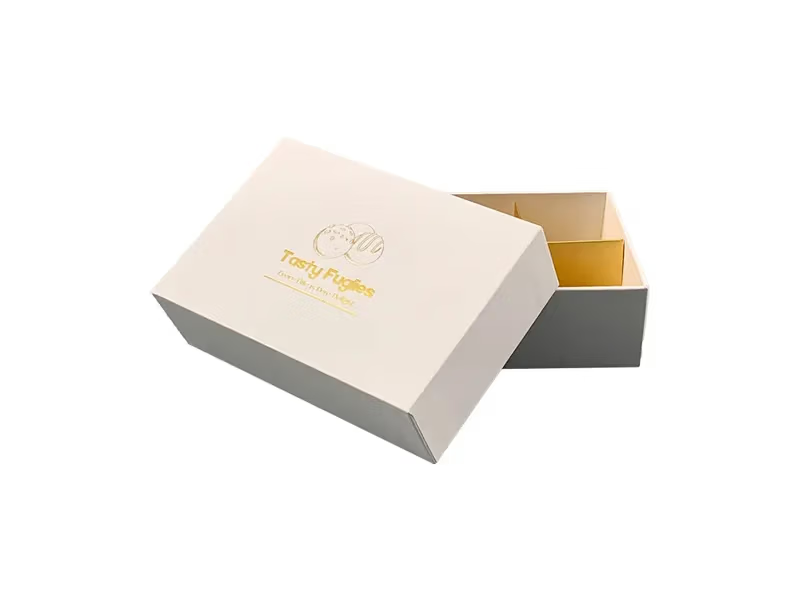
A rigid lid and base gift box is the classic two-piece rigid box with a separate top and base. In American packaging terminology, this is often called a set-up box. Unlike folding cartons, rigid boxes are made from thick board, usually stay erect, and do not fold flat. The structure is known for premium presentation, stronger protection, and a more substantial feel in hand.
This box type is widely used for jewelry, luxury cosmetics, electronics, candles, and premium gift packaging. It works well when the packaging itself is part of the product experience. The downside is cost and logistics. Because the box is pre-assembled, it usually takes up more warehouse and shipping space than a folding structure. Still, when presentation matters most, this remains one of the safest and most widely accepted choices.
6. Folding Drawer Box
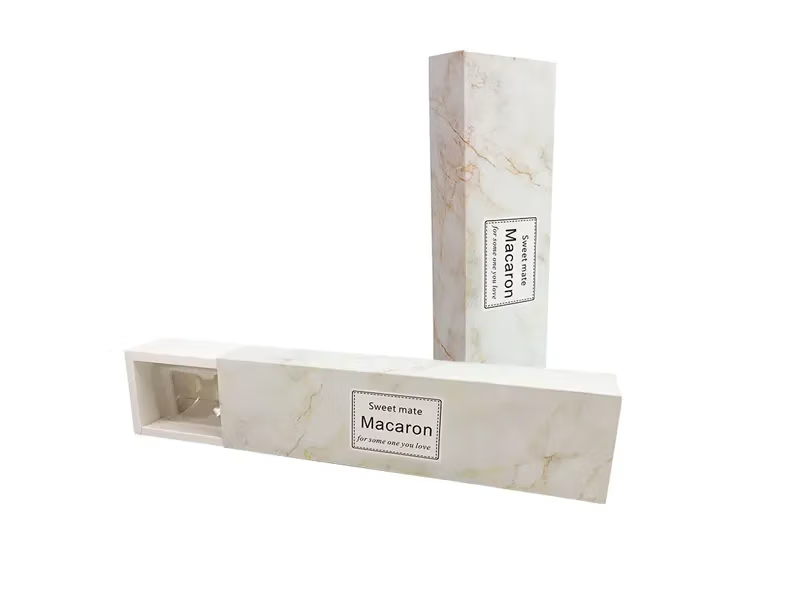
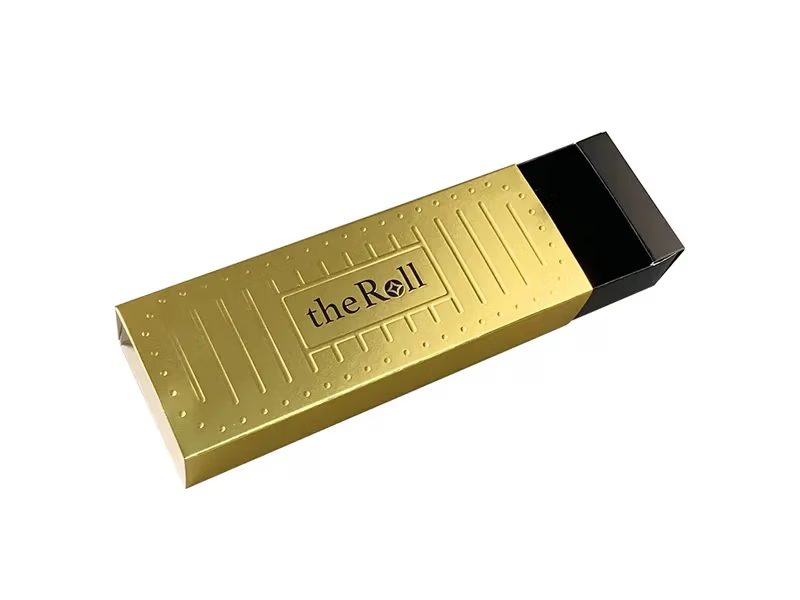
A folding drawer box is a collapsible tray-and-sleeve structure. The tray slides out from the sleeve, which creates a more interactive opening experience than a standard folding carton. Jaystar describes tray-and-sleeve boxes, also known as drawer packs, as collapsible two-piece packaging that works well for light products and can reduce storage and shipping costs because of the foldable structure.
This makes folding drawer boxes a smart option for accessories, cosmetics, stationery, and small gift items. They look more refined than basic cartons and still save more space than rigid drawer boxes. The main limitation is strength. They are better for lighter items and are not the best choice when the product is fragile, heavy, or expected to carry a luxury rigid feel. In those cases, a rigid drawer gift box is usually the better fit.
7. Drawer Gift Box
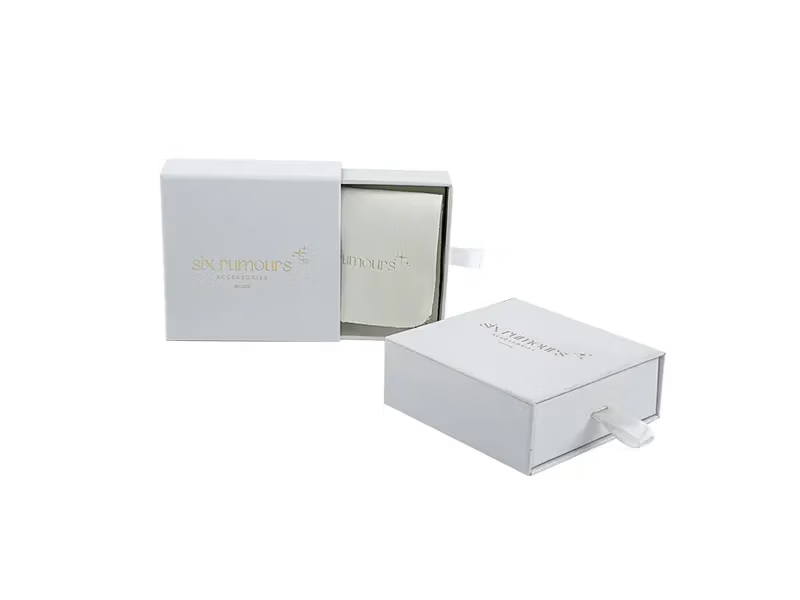
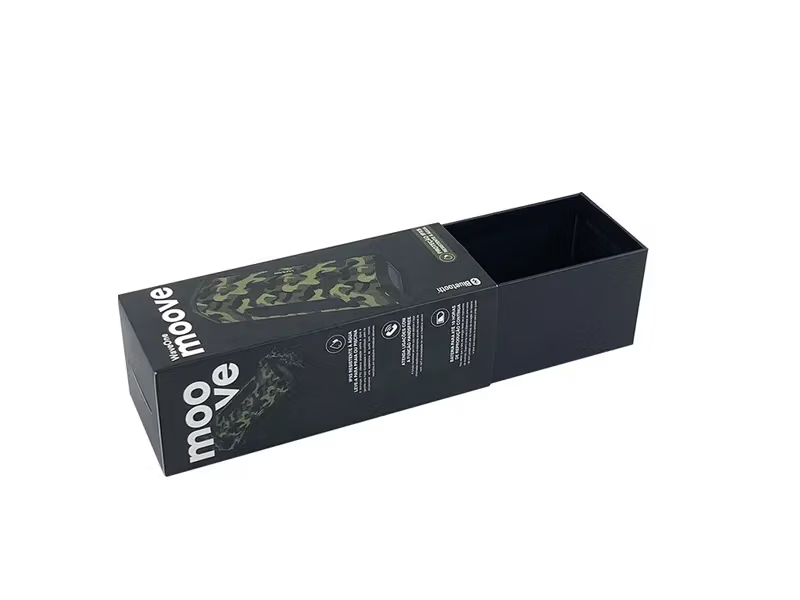
A drawer gift box is the rigid version of a tray-and-sleeve box. It has an outer sleeve and a pull-out inner tray, often with a ribbon pull. The structure feels more deliberate and premium because the opening is slower and more tactile. Jaystar notes that rigid drawer versions are better for delicate items, while other industry guides describe them as a strong choice for jewelry, electronics, chocolates, and other high-end products.
Brands often choose this style when they want packaging that feels giftable without using a hinged or magnetic lid. It is especially good for small premium products that benefit from a neat, controlled reveal. The trade-off is similar to other rigid boxes: higher cost, more storage space, and more material than a standard folding carton. It is a presentation-first structure, not a budget-first one.
8. Display Box
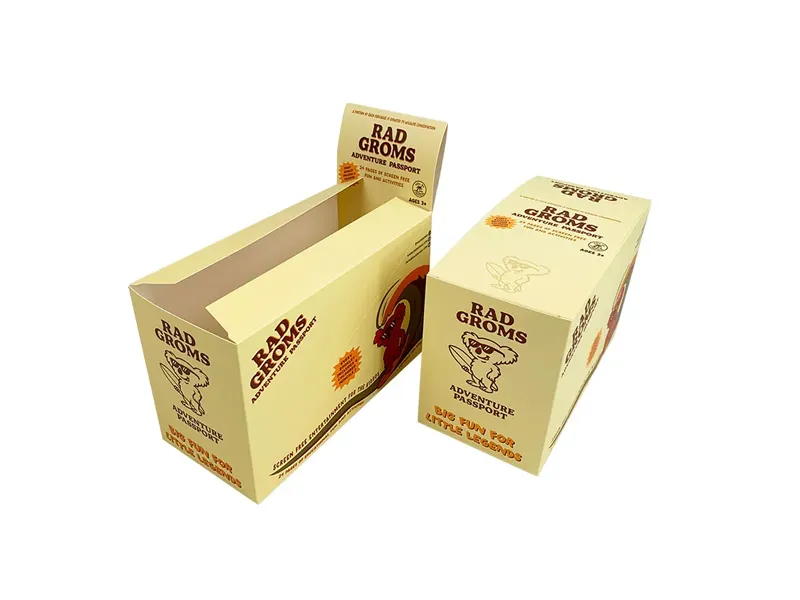
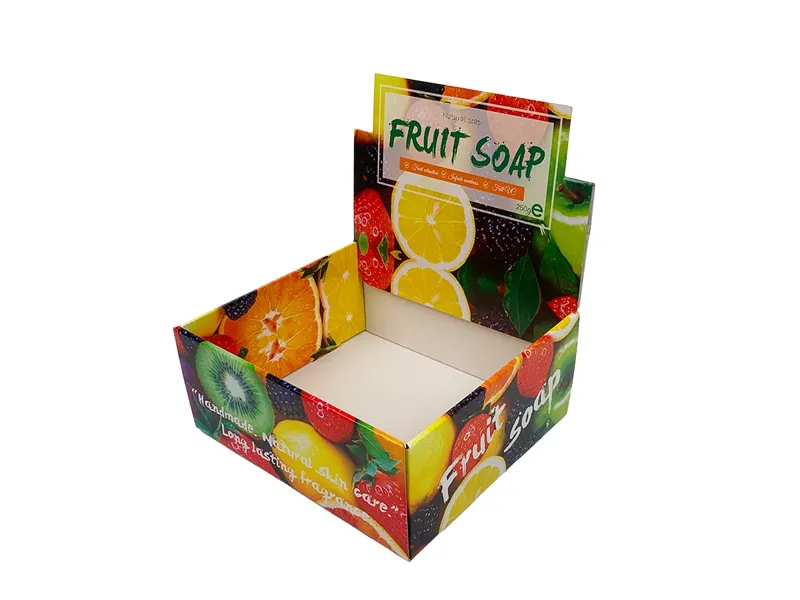
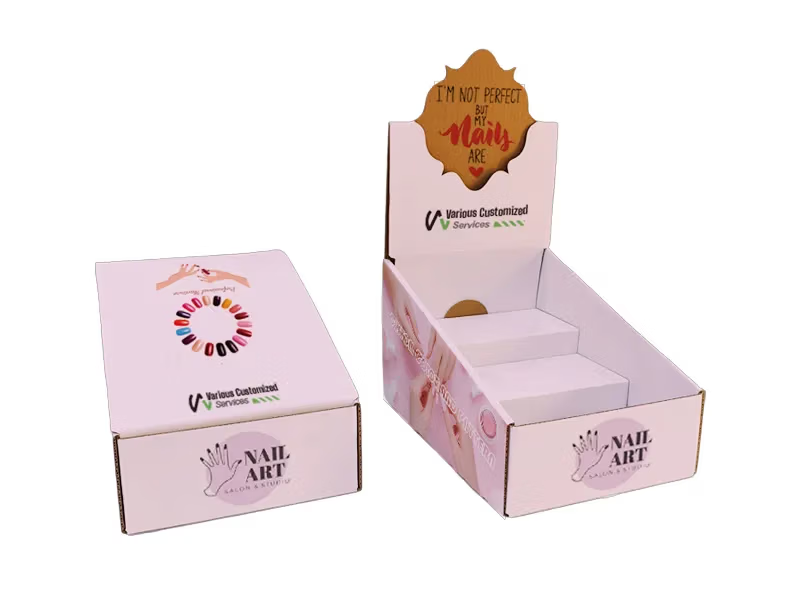
A display box is built to do more than hold a product. Its main job is visibility. On the SLD Packing website, display boxes are described as packaging designed to showcase products on shelves and support retail sales. PopDisplay defines a retail display box as a ready-to-sell package that ships with product and converts into a shelf or counter tray, often with printed branding and simple restocking steps.
These boxes are common for candy, cosmetics, supplements, trial items, seasonal goods, and checkout-counter products. A good display box helps the product stand out and makes replenishment easier for store staff. Still, buyers should be careful not to judge it only by looks. A display box must also work in transport, survive shelf handling, and keep products upright and easy to take. If the structure is weak, the display stops selling the moment it starts to sag. That last point is an industry inference based on how shelf-ready packaging is designed to ship and convert.
9. Magnetic Closure Box
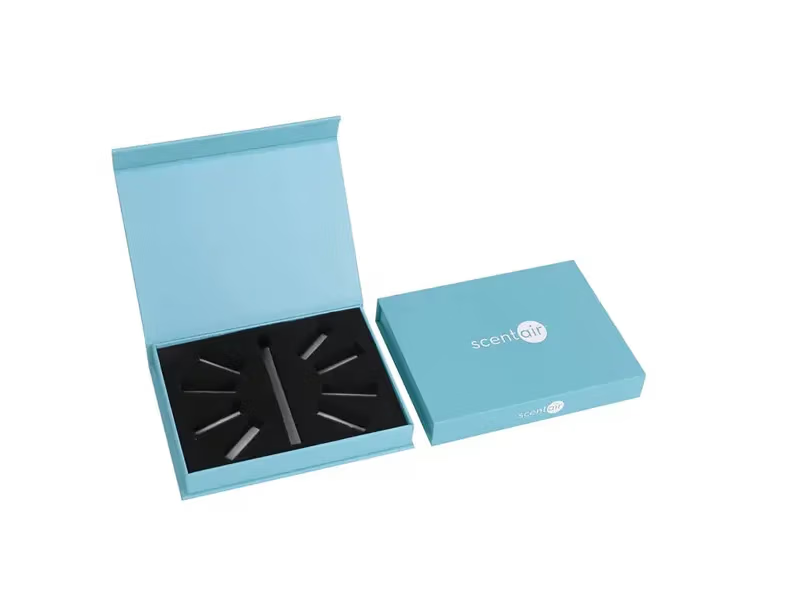
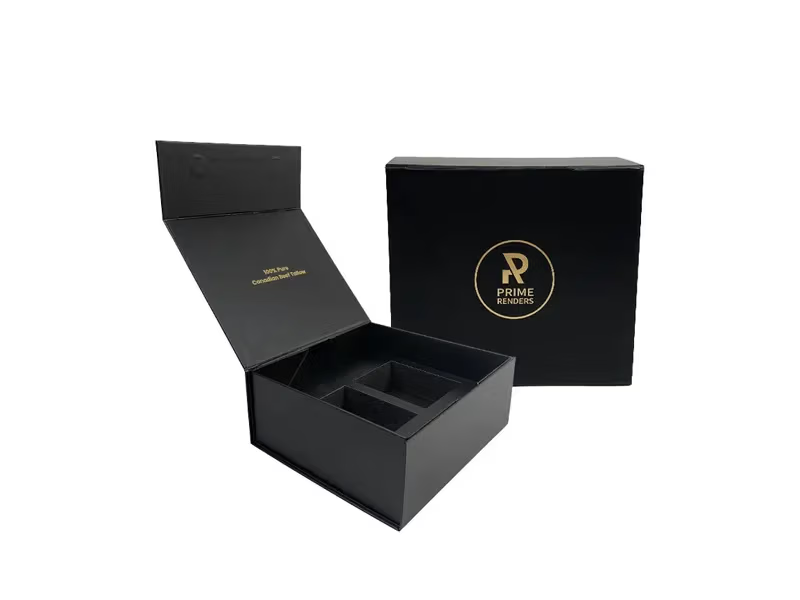

A magnetic closure box is a rigid box with hidden magnets built into the lid or flap. The magnets help the box close neatly and stay aligned, which creates a smoother opening and closing experience than many other structures. Industry sources consistently describe magnetic boxes as premium rigid packaging used for high-value products, gift sets, electronics, cosmetics, and branded presentation kits.
The appeal of this style is not only the closure. It is the combination of structure, sound, and feel. A magnetic box tends to look polished, feels sturdy, and is often reused by customers. That said, it is usually more expensive than a simple lid and base box or a folding carton. It also makes the most sense when the product price and brand position can support a higher packaging cost. For everyday mass-market products, it may be more packaging than the product really needs.
10. Corrugated Shipping Box
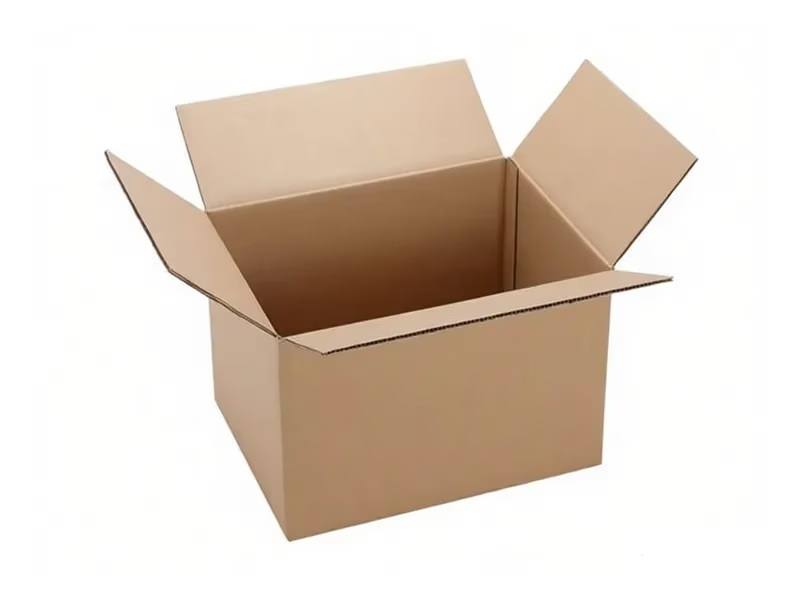

A corrugated shipping box is the workhorse of transport packaging. The most widely recognized version is the Regular Slotted Container (RSC). Packaging Corporation of America, citing the Fibre Box Association, describes the RSC as the most common box style, with all flaps the same length and the outer flaps meeting at the center when closed. FEFCO also notes that standardized box codes are used internationally for common corrugated designs.
This box is used for warehouse storage, shipping, export packing, and outer protection for retail packs inside. It is practical, efficient, and available in a wide range of board grades. The limitation is presentation. Compared with folding cartons or rigid gift boxes, a corrugated shipper usually looks plain unless it is carefully printed and finished. That is why many brands use it as an outer transport box rather than the main consumer-facing package.
How to Choose the Right Box Type
Choosing the right paper packaging box starts with function, not decoration. Product weight, fragility, shipping method, and shelf presentation should be settled before you think too much about foil stamping, embossing, or special finishes. SLD Packing’s own packaging guide makes a similar point by linking box choice to e-commerce durability, shelf impact, sustainability goals, and branding needs.
| Packaging need | Best box type | Why it fits |
|---|---|---|
| Lightweight retail product | Tuck End Box | Low cost, easy printing, ships flat |
| Slightly heavier retail item | Snap-Lock Bottom Box | Stronger base than a basic carton |
| E-commerce order | Mailer Box | Better transit protection |
| Premium gift set | Rigid Lid and Base Gift Box | Strong structure and luxury feel |
| Flat-pack premium packaging | Foldable Lid and Base Box | Saves storage and freight space |
| Interactive premium unboxing | Drawer Gift Box | Tactile tray-and-sleeve opening |
| Shelf or counter promotion | Display Box | Helps product stand out in store |
| High-end branded presentation | Magnetic Closure Box | Secure close and premium appearance |
| Outer shipping protection | Corrugated Shipping Box | Efficient, durable, widely used |
This selection table is a practical summary drawn from common uses described by packaging industry sources for folding cartons, rigid boxes, display packaging, corrugated mailers, and RSC shipping cartons.
Common Mistakes When Choosing a Paper Packaging Box
One common mistake is choosing a box by appearance alone. A structure that looks good in a mockup may not perform well in shipping, stacking, or retail handling. Another mistake is using a folding carton for a product that really needs more bottom support or corrugated protection. That usually leads to damage, returns, or a poor opening experience. These are practical risks implied by the load and assembly differences described for tuck cartons, snap-lock bottoms, rigid boxes, mailers, and corrugated shipping cartons.
Storage is another issue buyers often underestimate. A rigid box may look ideal until the warehouse team sees how much space it consumes. In the same way, a collapsible structure may look slightly less impressive at first, but make much more sense once freight and storage costs are added to the calculation. That is why experienced packaging buyers compare the full packaging workflow, not just the unit price or photo sample. This last point is a reasoned takeaway supported by how industry sources compare rigid, collapsible, and corrugated structures.
Conclusion
There is no single best paper packaging box for every product. A tuck end box may be perfect for a lightweight retail item. A snap-lock bottom box may be better for something with more weight. A mailer box works well for shipping. A rigid lid and base box, drawer box, or magnetic closure box is usually the better choice when presentation and unboxing matter more.
The simplest way to choose is to ask three questions in order. First, how much protection does the product need? Second, where will the package be used: shelf, gift, or shipping? Third, how much cost and storage space can the project support? Once those answers are clear, the right box style usually becomes much easier to see.