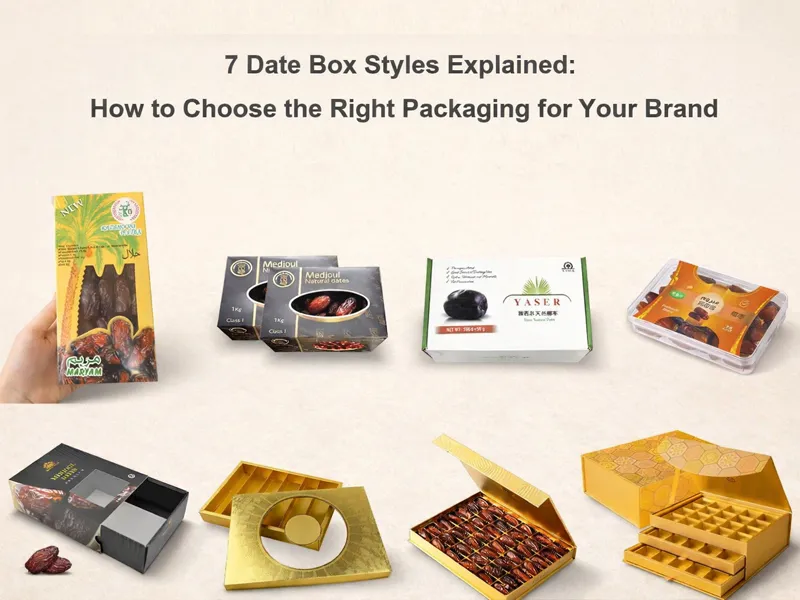
Dates are a simple product, but their packaging decisions are not always simple. One brand may need a low-cost retail carton. Another may need a premium gift box with inserts. A third may care most about shipping strength for export or e-commerce. That is why box style matters so much. The structure affects protection, appearance, packing speed, storage space, and freight cost at the same time. In custom paper packaging, manufacturers such as SLD Packing commonly work with foldable paper boxes, drawer boxes, magnetic boxes, two-piece rigid boxes, and mailing boxes, which reflects the main structures buyers usually compare in real projects.
Another point is easy to miss: a date box is often only one part of the packaging system. The outer box may be paperboard or rigid board, while the dates themselves sit in a pouch, tray, film, or food-contact insert. If the fruit touches the packaging directly, the materials used for that contact need to be suitable for the intended use. FDA says food-contact substances must be authorized for their use, and European paper-and-board guidance also focuses on demonstrating suitability for food-contact applications.
What to consider before choosing a date box
Before looking at styles, start with four practical questions.
First, what kind of dates are you selling?
Everyday supermarket dates usually need efficiency, clear labeling, and reasonable cost. Premium Medjool dates, assorted date gifts, and festive packs usually need stronger presentation and a cleaner opening experience. Rigid and magnetic structures are commonly used when brand image and unboxing matter more, while folding cartons are usually chosen when shipping and production efficiency matter more.
Second, how will the product sit inside the box?
Loose fill, single-row trays, and compartment inserts lead to very different box choices. SLD’s rigid-box and two-piece pages both show that inserts can be made from paper, EVA, or plastic, and that rigid structures are better when the insert must stay fixed and keep the presentation neat.
Third, how will the product be shipped?
If the box needs to move through e-commerce or export channels, shipping performance matters early. Fibre Box Association notes that corrugated packaging is engineered to protect and cushion products in distribution and e-commerce, with structural rigidity, stacking strength, and impact absorption from the fluted middle layer.
Fourth, what image do you want the box to create?
Rigid boxes generally cost more, but they also create a stronger premium feel. Meyers notes that rigid boxes usually come with higher costs and lead times than alternatives, while also improving perceived value and presentation.
1. Folding paper box
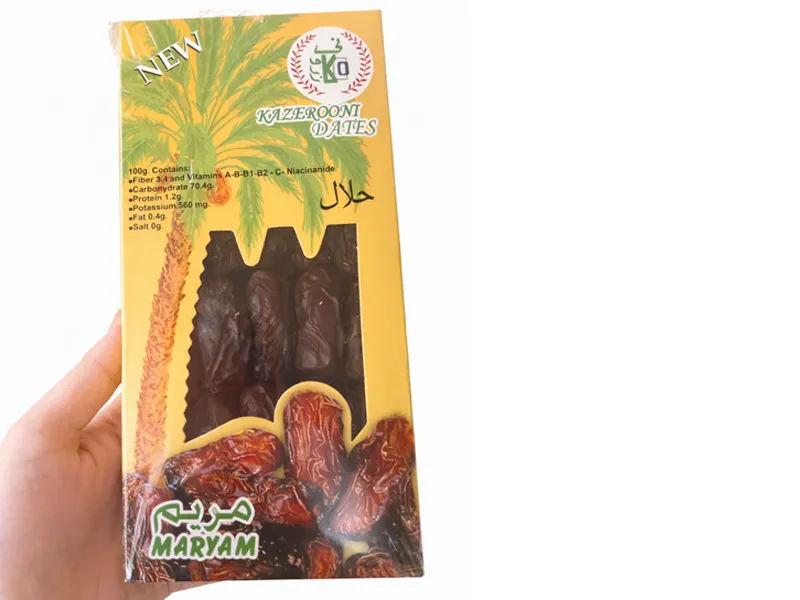
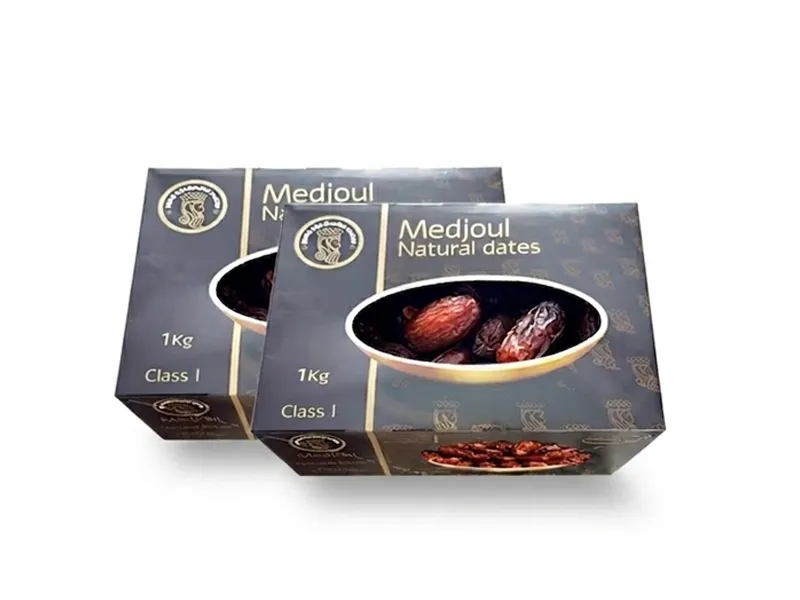
A folding paper box is the most practical starting point for many date brands. It is made from paperboard, ships flat, and is erected before filling. Industry sources describe folding cartons as paperboard-based packaging that is folded and closed to hold the product, and PPC distinguishes them from rigid structures by noting that folding cartons ship “knocked down flat.”
In plain terms, this style works well when you need volume, print impact, and lower shipping cost. JohnsByrne notes that folding cartons ship flat, save shipping cost compared with rigid boxes, and are produced with fewer processes and at lower cost.
For dates, folding boxes are a good fit for:
- supermarket packs
- entry-level retail lines
- promotions with strong printed graphics
- boxes that hold an inner tray or sealed bag
The main advantage is efficiency. The limitation is that a folding carton usually does not feel as luxurious or as protective as a rigid gift box, especially for premium assortments or high-end gifting.
2. Drawer box
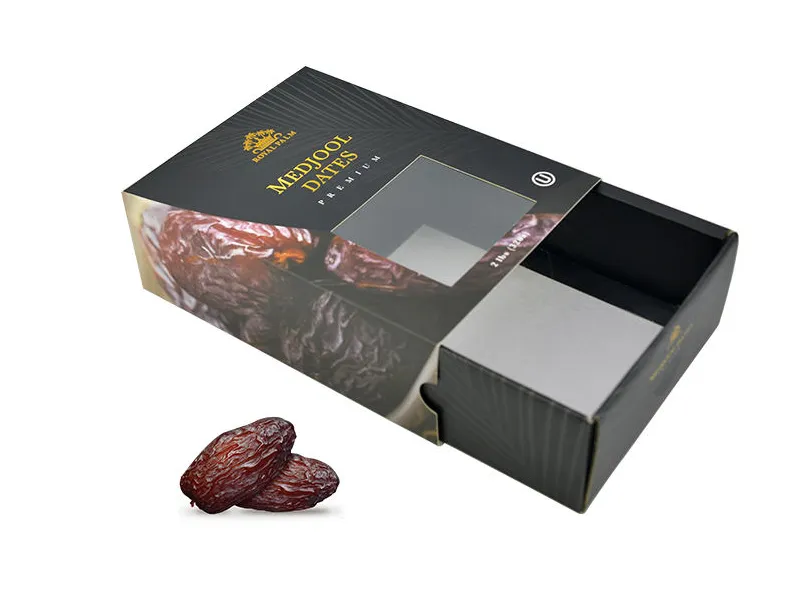
A drawer box has two parts: an outer sleeve and a sliding inner tray. SLD describes it as a matchbox-like structure with a sleeve and sliding tray, often paired with ribbons or thumb notches for easier opening. On SLD’s homepage, drawer gift boxes are also positioned as a style that creates an elevated unboxing experience.
This style is popular because it feels interactive without being overly complex. For dates, it works especially well for neatly arranged rows, compartment trays, or premium collections where presentation matters the moment the tray slides open. It is a strong choice for boutique retail, festive gifting, and mid-to-high-end product lines.
The trade-off is cost and space. A drawer box usually uses more material than a simple folding carton, and it is not the most freight-efficient choice for very price-sensitive programs. That said, it offers a nice balance between structure and ceremony.
3. Magnetic gift box
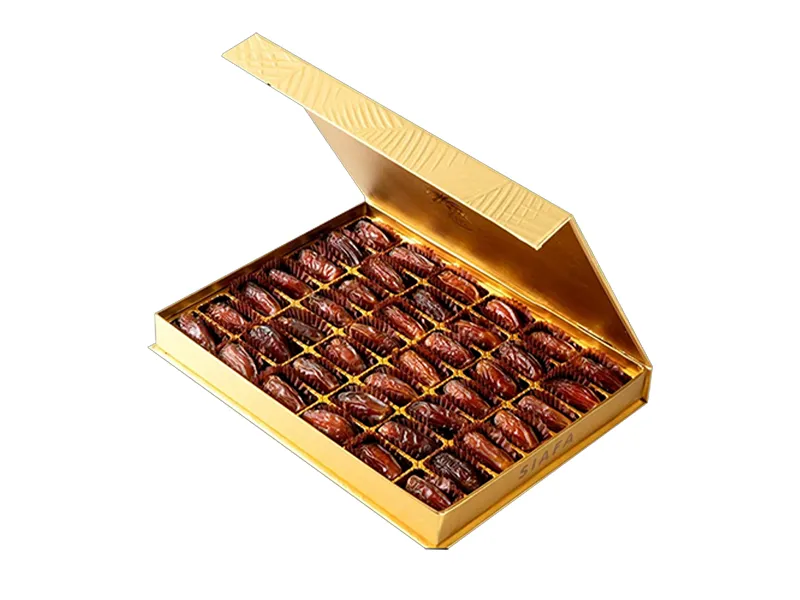
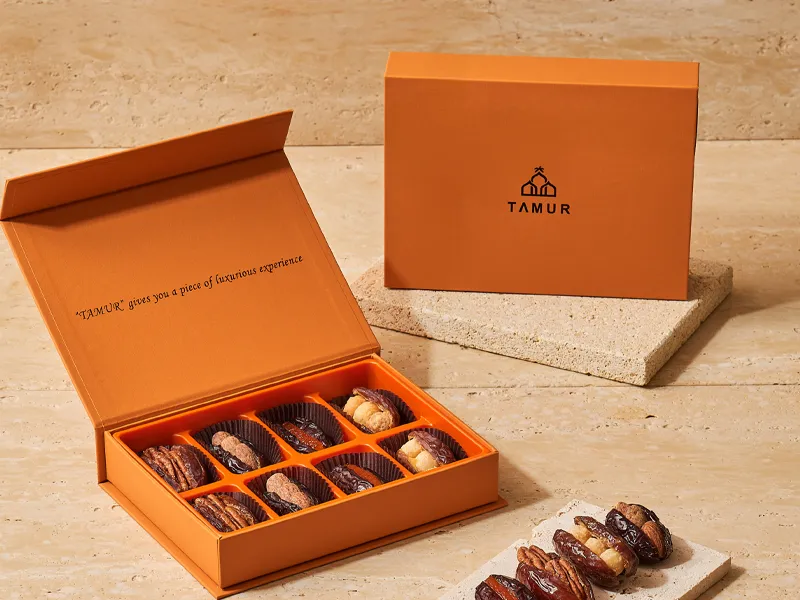
A magnetic gift box is a rigid structure with hidden magnets in the closing flap. SLD’s current product line presents magnet gift boxes as elegant rigid boxes for premium gifts and luxury packaging, and its product page notes that brands can choose collapsible or non-collapsible versions. Collapsible versions ship flat to save storage and shipping costs, while non-collapsible versions are stronger and better for premium presentation.
For premium dates, this is one of the most versatile structures. It suits gift packs, hotel or corporate gifting, holiday launches, and higher-ticket assortments. It also works well when you want a paper-based luxury look without designing a more complex specialty box.
Its main strength is perceived value. Its main weakness is cost. Even collapsible magnetic boxes cost more than folding cartons, and non-collapsible versions take more space in shipping. Still, when the goal is to make the product feel premium the moment the box is opened, magnetic rigid boxes are hard to beat.
4. Lid and base gift box

This style is also called a two-piece rigid box. It has a separate lid and base, and it remains one of the cleanest, most classic gift-box formats. SLD describes two-piece boxes as a balance of elegance and functionality, with a detachable lid and sturdy base that protect the product and create a premium unboxing experience. The same page also notes that rigid versions are sturdy and ready to use, while foldable versions can ship flat to reduce storage and transport cost.
For date packaging, a lid-and-base box is a strong option for:
- premium gift dates
- assortments with inserts
- packs that need a formal, clean presentation
- brands that want a luxury look without magnets
It often looks more timeless than trendy. That makes it especially useful for brands that want premium packaging to feel refined rather than flashy. The downside is similar to other rigid formats: higher unit cost and more shipping volume than folding cartons.
5. Mailing box
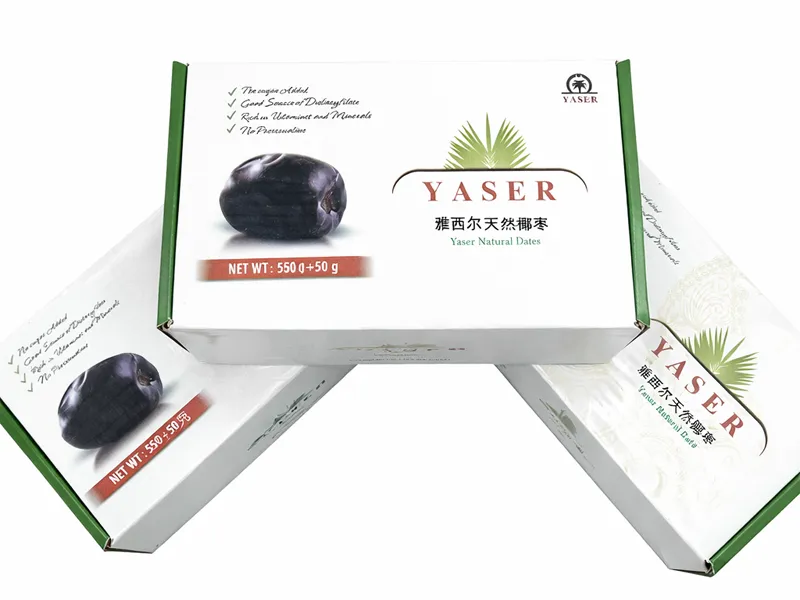
A mailing box is the practical choice when shipping performance comes first. In paper packaging, this usually means a corrugated mailer or shipping-style box. Fibre Box Association says corrugated packaging is specifically engineered to protect and cushion products through distribution and e-commerce, with stacking strength and fluting that absorbs impact.
For dates, mailing boxes work well for direct-to-consumer orders, export shipments, bundle packs, and subscription-style delivery. If you are shipping multiple retail units together, the mailing box may serve as transit packaging rather than the consumer-facing gift box. If you want one box to do both jobs, the design has to balance branding and logistics carefully.
The biggest advantage is protection in transport. The limitation is presentation. A plain mailing box rarely feels luxurious on its own, so many brands combine a nice inner retail box with a stronger outer shipper.
6. Luxury magnetic + drawer box
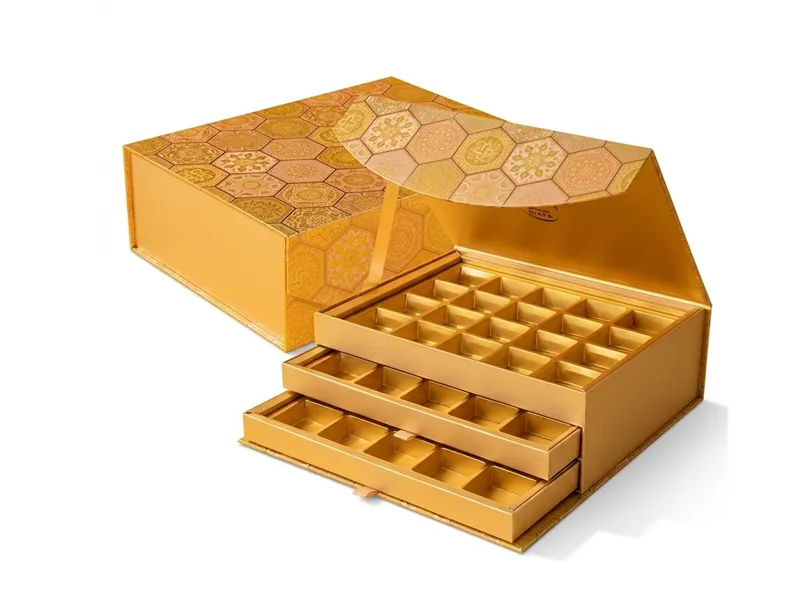
This is the most presentation-driven option in the list. It combines rigid construction with a more elaborate opening method, usually mixing a magnetic top section, a sliding drawer, or multiple layers. SLD’s luxury rigid-box page shows multi-layer drawer boxes, drawer boxes with EVA inserts, and double-drawer or flip-top constructions, which reflects how these hybrid rigid boxes are used for high-end packaging projects. The same page also notes that these structures use premium materials, more complex craftsmanship, and more hand assembly, which is one reason luxury rigid boxes cost more.
For dates, this style makes sense when the pack is intended to impress before the product is even tasted. It fits premium assortments, ceremonial gifting, VIP hampers, and limited seasonal releases. It also works well when you want separate compartments, accessories, or a layered reveal.
The caution here is simple: do not use this structure for a price-sensitive product. It is beautiful, but it adds cost in materials, labor, and freight. It only makes sense when the selling price and brand story can carry that extra packaging value.
7. Plastic box
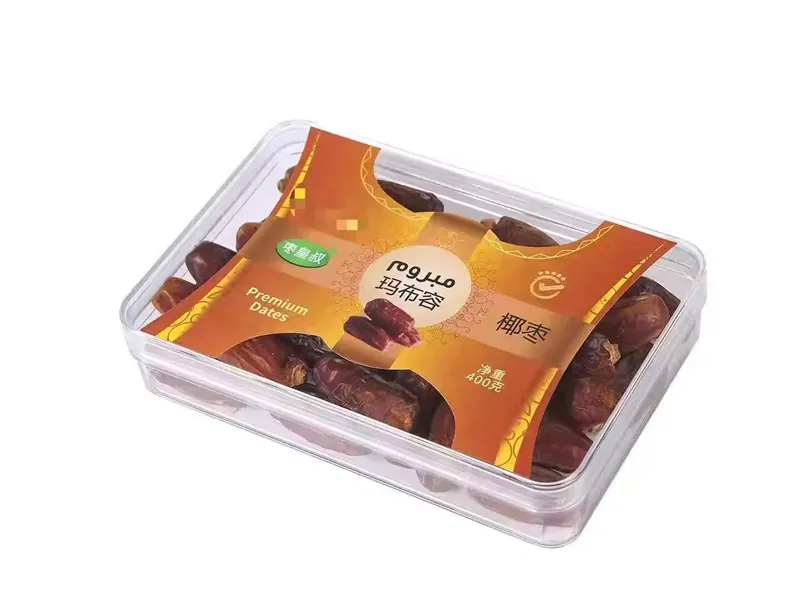
A plastic box is usually chosen for visibility, product protection, and convenience. PETRA says PET is widely used in food and beverage packaging because it is strong, lightweight, non-reactive, economical, and shatterproof, and that its safety for food and beverage applications is recognized by health authorities.
For date packaging, clear plastic boxes help buyers see the fruit before purchase. That is useful for retail shelves where appearance drives decisions. Plastic boxes also work well when moisture resistance and physical containment are important, especially in chilled or short-cycle retail setups.
The drawback is brand feel. A plastic box may be practical, but it rarely delivers the same gift value as a rigid paper box. Many brands solve this by combining a plastic tray or tub with a printed paper sleeve or paperboard wrap. That approach keeps visibility while improving shelf appearance.
Quick comparison table
| Box style | Structure | Best for | Cost level | Protection level | Gift appeal | Shipping efficiency |
|---|---|---|---|---|---|---|
| Folding paper box | Paperboard, ships flat | Retail, value lines, printed branding | Low | Low | Low to medium | High |
| Drawer box | Sleeve + sliding tray | Premium retail, arranged dates | Medium | Medium to high | High | Medium |
| Magnetic gift box | Rigid box with magnetic flap | Premium gift packs | Medium to high | High | High | Medium if collapsible, lower if rigid |
| Lid and base gift box | Separate lid + base | Classic premium gifting | Medium to high | High | High | Medium |
| Mailing box | Corrugated shipping-style box | E-commerce, export, transport | Low to medium | Medium | Low | High |
| Luxury magnetic + drawer box | Hybrid rigid specialty structure | VIP gifts, layered assortments | High | High | Very high | Low |
| Plastic box | Clear PET or similar rigid plastic | Fresh-look retail, visibility-led packs | Low to medium | Medium | Low | High |
This table is a practical buying summary based on folding-carton, rigid-box, corrugated, PET, and current SLD structure guidance.
How to match the right box to your brand
If your brand competes on price and shelf coverage, start with a folding paper box or a plastic box with a printed sleeve. These options are efficient, easier to scale, and better suited to high-volume retail.
If your brand competes on gift value and premium image, move toward a drawer box, magnetic rigid box, or two-piece rigid box. Those structures give you more room for inserts, specialty finishes, and a better opening experience.
If your main concern is shipping safety, use a corrugated mailing box, or pair a premium inner box with an outer shipper. That is often the safest route for export or direct-to-consumer programs.
If your product line includes premium assortments or ceremonial gift sets, a luxury magnetic-plus-drawer structure can work well, but only when the retail price justifies it.
Buying tips before you place an order
The first tip is to confirm the pack count and cavity size before finalizing the outer box. Beautiful artwork cannot fix a tray that is too shallow, too loose, or too tight. If the dates will be lined in rows or separated into compartments, the insert should be designed first, then the box should follow. SLD’s rigid-box terminology and product pages both show how compartments, trays, and inserts play a central role in final presentation and product stability.
The second tip is to decide whether the box is retail packaging, gift packaging, or shipping packaging. Buyers often try to make one structure do all three jobs, and that is where compromises start. A folding carton may be perfect on shelf but weak for direct parcel shipping. A rigid gift box may look excellent but waste storage space if the volume is large. A corrugated mailer may protect the product well but feel plain when opened.
The third tip is to review the food-contact path, not just the outer appearance. If dates will touch the packaging directly, check the full material system, including coatings, inks, adhesives, and any tray or film used inside. FDA guidance and paper-and-board food-contact guidance both point to the need to verify suitability for the intended food-contact use.
The fourth tip is to think about storage and freight early. Collapsible magnetic boxes and foldable two-piece boxes can save space, while rigid boxes arrive erected and take more room. SLD’s product pages state this clearly, and it is one of the biggest cost differences buyers overlook when they compare samples on a desk instead of cartons in a warehouse.
Common mistakes to avoid
| Mistake | Why it causes problems | Better approach |
|---|---|---|
| Choosing a luxury rigid box for a budget line | Packaging cost rises faster than product value | Use folding cartons or simple sleeves first |
| Ignoring insert size | Dates move, crush, or look messy | Finalize tray layout before artwork |
| Using a gift box as a shipper | Transit damage risk goes up | Add an outer corrugated mailer |
| Focusing only on appearance | Compliance and function get missed | Review food contact, fit, and freight together |
| Overbuilding the pack | Storage and shipping costs climb | Match the structure to the sales channel |
This table is an editorial summary based on current rigid-box, folding-carton, corrugated, insert, and food-contact guidance.
Final thoughts
There is no single best date box style. The right choice depends on what you are selling, how the dates are packed inside, where the product will be sold, and how far it needs to travel. Folding paper boxes are efficient. Drawer and magnetic boxes add presentation. Lid-and-base boxes stay classic. Mailing boxes protect logistics. Luxury hybrids impress. Plastic boxes help shoppers see the fruit fast. The smartest buying decision is usually the one that matches structure to product level, rather than the one that simply looks the most expensive.