In many industries today, competition is getting harder, and product similarity is becoming a real problem. When several sellers offer products that look almost the same, the market often shifts into price competition. That may bring short-term orders, but it usually hurts margins, weakens brand value, and makes long-term growth more difficult. Even in the packaging and paper sector itself, McKinsey noted in April 2026 that companies are having to reset how they compete because demand alone is no longer enough to support performance.
This is why more brands are paying closer attention to packaging. Packaging is no longer just an outer layer used for shipping or storage. It affects first impressions, perceived quality, and the way customers remember a product. Research published in the Journal of Business Research found that creative packaging design can influence customer curiosity and decision-making, while other packaging studies have shown that package design can directly affect perceived quality.
For brands that source products from China, this issue is especially practical. Many product factories are very capable at manufacturing the item itself, but packaging is not always their strength. Some offer only standard packaging options. Others can customize packaging, but the design flexibility, finishing quality, or cost structure may not be ideal. In those cases, working with a dedicated paper packaging manufacturer can be a smarter way to improve brand presentation without losing control of cost.
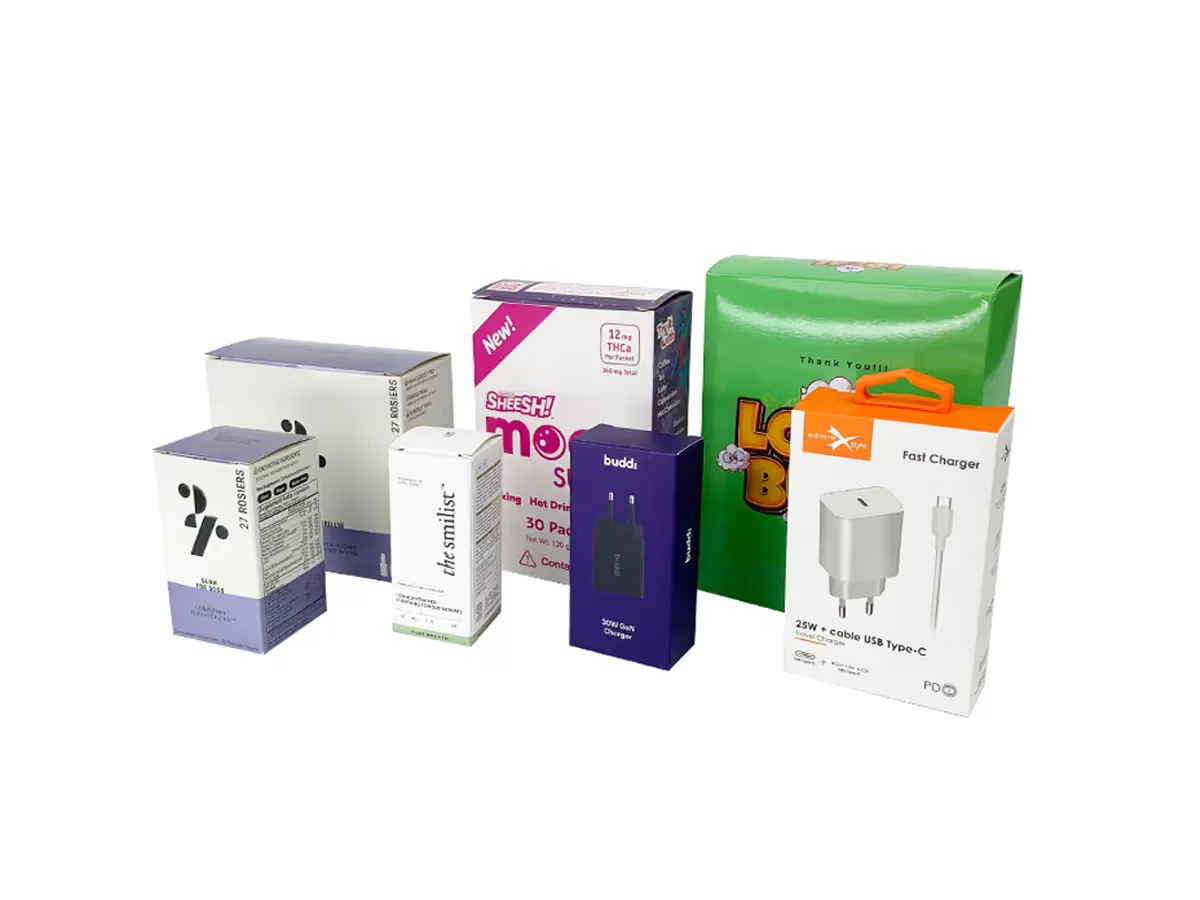
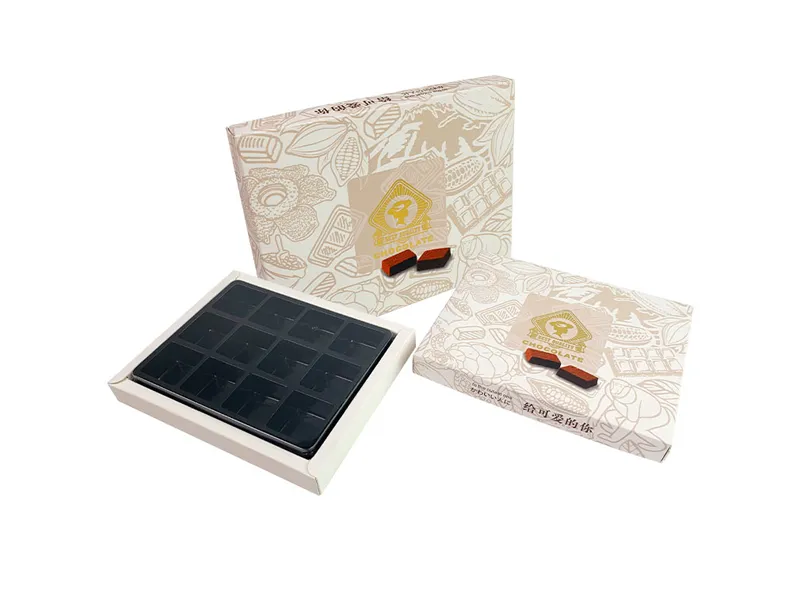
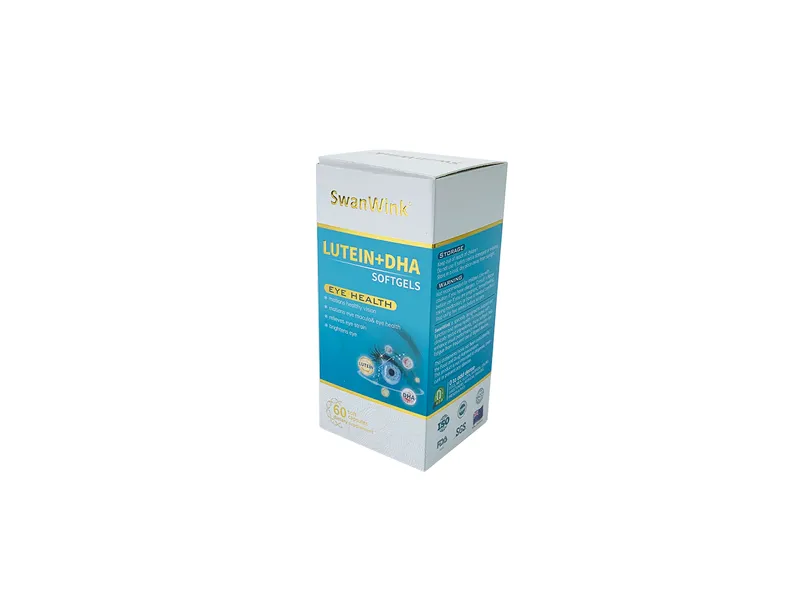
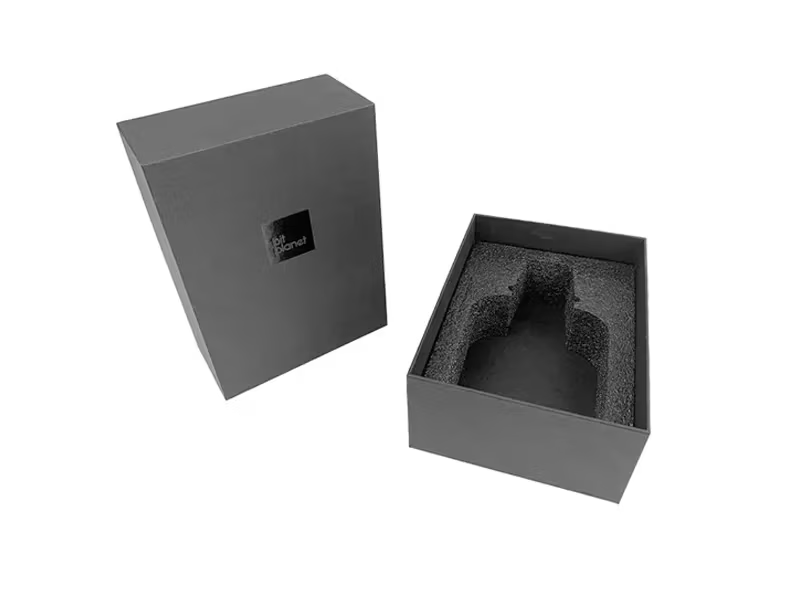
A professional packaging manufacturer usually works from the packaging side first: structure, paper selection, printing method, inserts, and surface finishing. That is very different from simply asking a product factory to “also handle the box.” The difference matters because packaging often needs its own technical planning. A brand may want rigid gift boxes for premium items, folding cartons for daily retail use, mailer boxes for e-commerce, display boxes for shelf impact, or paper bags for brand carry-out use. On SLDpacking’s website, these are exactly the kinds of paper packaging formats highlighted as core capabilities, along with customization support and FSC-certified material options for selected products.
Why custom packaging matters when products look similar
When products become easy to compare, buyers start looking for signals that help them judge value quickly. Packaging is one of those signals. A well-designed box or bag can make a product feel more reliable, more premium, and more consistent with the brand promise. That does not mean packaging can replace product quality. It means packaging helps the product communicate its value more clearly.
This matters even more when consumers are cautious about spending. McKinsey’s 2025 global packaging research found that price and quality remain the most important product characteristics in purchase decisions, and its companion article on packaging purchasers says perceived quality, price, and convenience remain the most valued factors. In other words, packaging decisions need to support quality perception while staying commercially sensible.
A better supply chain model for many brands
A practical solution is to separate product manufacturing from packaging production. In this model, the brand prepares the packaging design, the packaging manufacturer produces the boxes or bags in advance, and those finished packaging components are then sent to the product factory for final packing. For many brands, this is a cleaner way to manage both cost and appearance.
This approach can improve coordination in several ways. First, the product factory can stay focused on the product itself instead of trying to solve every packaging detail. Second, the packaging manufacturer can work on materials, structure, printing, and finishing with more precision. Third, the brand has more visibility over packaging quality before the final packed product is assembled. Industry guidance comparing packaging manufacturers with packaging suppliers also notes that working directly with manufacturers typically gives businesses more room for customization and stronger quality control, especially when the packaging is being built from raw materials and design requirements from the start. Packaging also plays a direct role in distribution efficiency and product protection across the supply chain.
Product factory packaging vs. specialized packaging manufacturer
| Factor | Packaging handled by product factory | Packaging handled by specialized packaging manufacturer |
|---|---|---|
| Customization depth | Often limited to standard formats or basic print changes | Usually better for tailored structures, materials, inserts, and finishing |
| Brand presentation | Can be acceptable, but often not a core strength | Better suited for premium presentation and stronger visual consistency |
| Quality control | One more task added to the factory workflow | More focused control over paper, printing, and structure |
| Cost management | May look simple at first, but can hide inefficiencies | Often better for value engineering when packaging is treated as a separate project |
| Supply chain flexibility | Convenient if needs are basic | Better when the brand wants to plan packaging ahead and scale with clearer standards |
| Best fit | Low-complexity packaging and short-term needs | Brand-building, differentiated packaging, and medium- to long-term growth |
Table logic based on current industry guidance on manufacturer-led packaging customization and quality control, plus packaging’s role in supply chain performance.
Cost control is not the same as buying the cheapest box
One common mistake is to judge packaging only by unit price. A cheaper box is not always the lower-cost option in practice. If the size is wrong, the structure is weak, the insert does not fit well, or the printing fails to support the brand image, the total business cost can be higher. You may end up with more damage, more wasted space, lower perceived value, or weaker repeat purchase performance.
That is why many experienced buyers look at total packaging value instead of only piece price. A dedicated packaging manufacturer may help reduce waste through better sizing, better structural design, and more suitable materials. Industry guidance from GWP makes the same point: stock packaging can look cheaper per unit, but a tailored solution may reduce void fill, shipping inefficiency, and other hidden costs.
The real goal: move competition away from price alone
Custom packaging will not solve every business problem. But it can help brands move the conversation away from pure price. When the packaging is consistent, well-made, and clearly matched to the product, the brand looks more established. It becomes easier to communicate quality, positioning, and trust.
For brands sourcing from China, this can be an effective way to organize the supply chain more professionally. The product factory focuses on manufacturing. The packaging manufacturer focuses on packaging. The brand keeps control over presentation, cost, and standards. Over time, that structure can reduce the pressure of unhealthy price competition and support a stronger brand image in the market.