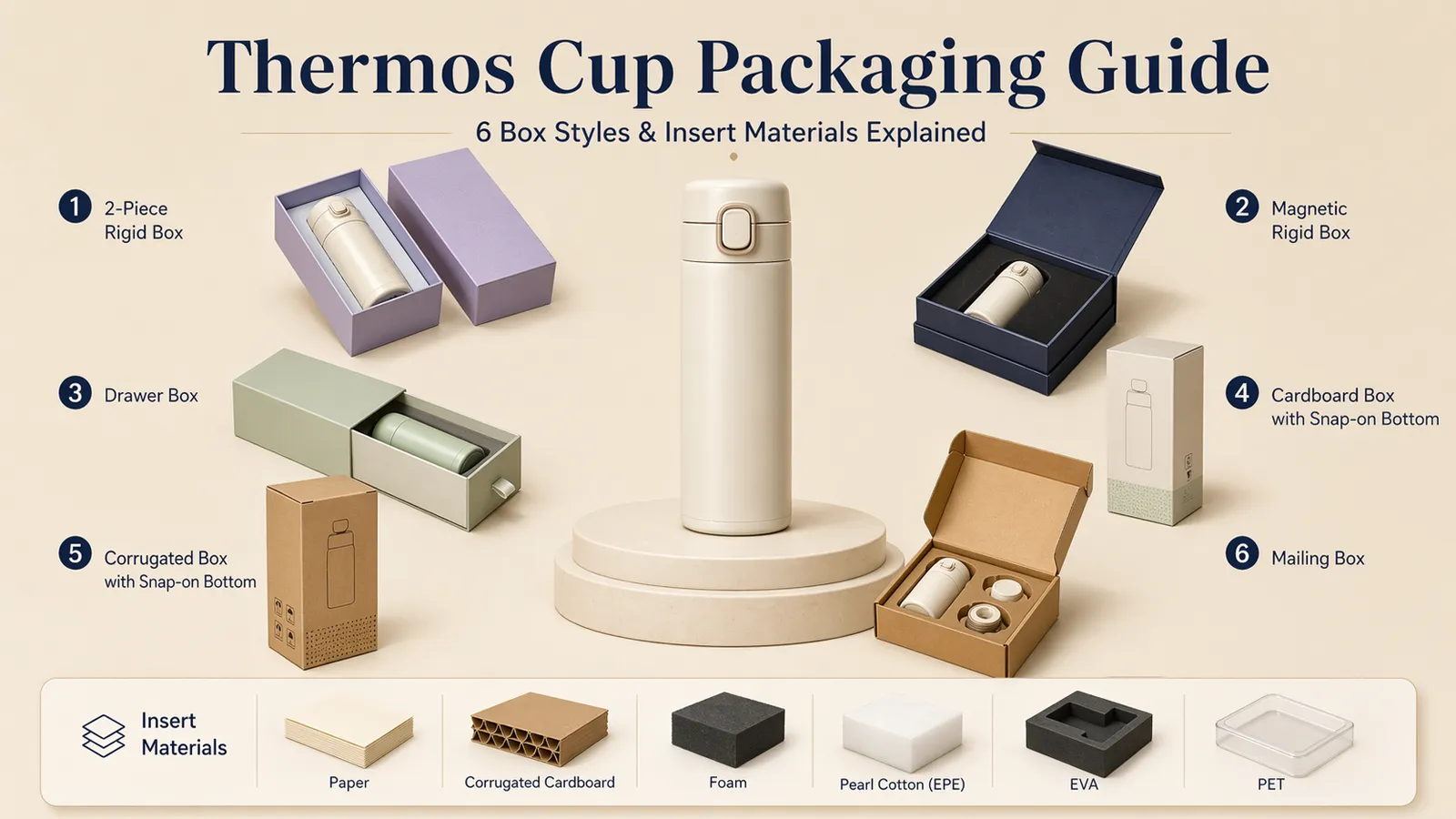
A thermos cup may look simple, but its packaging is not. The box needs to do three jobs at the same time: protect the cup, keep the product stable during shipping, and present it in a way that matches the brand’s price level. Inserts matter just as much as the outer box because they stop movement inside the package and help prevent scratches, dents, and broken accessories. That is why most thermos cup boxes are designed as a combination of box structure and inner support, not just a printed carton alone.
In real projects, buyers usually compare six common structures: the 2-piece box, magnetic box, drawer box, cardboard box with snap-on bottom, corrugated box with snap-on bottom, and mailing box. Each one has a different balance of cost, appearance, storage efficiency, and shipping strength. The same is true for inserts. Paper, corrugated board, foam, pearl cotton (EPE), EVA, and PET all solve different problems, so there is no single “best” option for every thermos cup.
What makes good thermos cup packaging?
Good thermos cup packaging starts with fit. A tall bottle with a wide lid, carry handle, tea filter, or straw set needs a box and insert that hold every part in place. When the internal fit is loose, the cup can shake during transport, damage its coating, or hit the lid and accessories. A good insert reduces that movement, while the right outer box adds compression strength and improves the unboxing experience.
The second point is positioning. A premium gift cup does not need the same packaging as an online retail shipment. Rigid structures such as two-piece, magnetic, and drawer boxes are usually chosen when presentation matters more. Folding cartons and corrugated mailers are more practical when cost, storage, and shipping efficiency matter more. In short, the right box depends on where the thermos cup will be sold and how it will be delivered.
The 6 common thermos cup box types
The comparison below summarizes the most common uses of these six structures in practical packaging projects. It combines general box-style guidance with insert and protection guidance from packaging references.
| Box type | Structure特点 | Best for | Main advantage | Main limitation | Common insert match |
|---|---|---|---|---|---|
| 2-piece box | Separate lid and base | Premium retail, gift sets | Clean look, strong premium feel | Higher cost, takes more space | Paper, EVA, PET |
| Magnetic box | Rigid box with hidden magnetic flap | Gift packaging, corporate gifts, branded sets | Premium opening experience | Cost is relatively high | EVA, PET, foam |
| Drawer box | Sleeve + pull-out inner tray | High-end retail, promotional packaging | Memorable unboxing, easy organization | Usually slower and more expensive to produce | EVA, PET, paper |
| Cardboard box with snap-on bottom | Folding carton with locking base | Standard retail packaging | Cost-effective, ships flat | Less premium and less protective than rigid or corrugated boxes | Paper, PET |
| Corrugated box with snap-on bottom | Corrugated folding box with stronger base | Heavier cups, shipping-first packaging | Better compression and transport strength | Appearance is more practical than luxury | Corrugated insert, EPE, paper |
| Mailing box | Self-locking corrugated shipper | E-commerce and direct shipping | Good balance of branding and shipping protection | Less formal for luxury retail shelves | Corrugated insert, EPE, foam |
1) 2-piece box
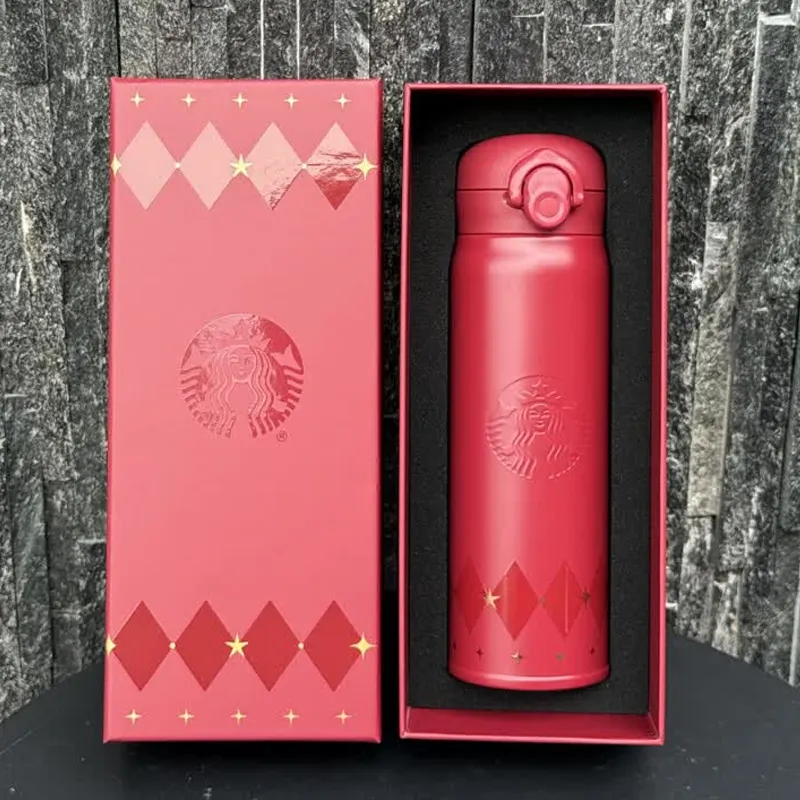
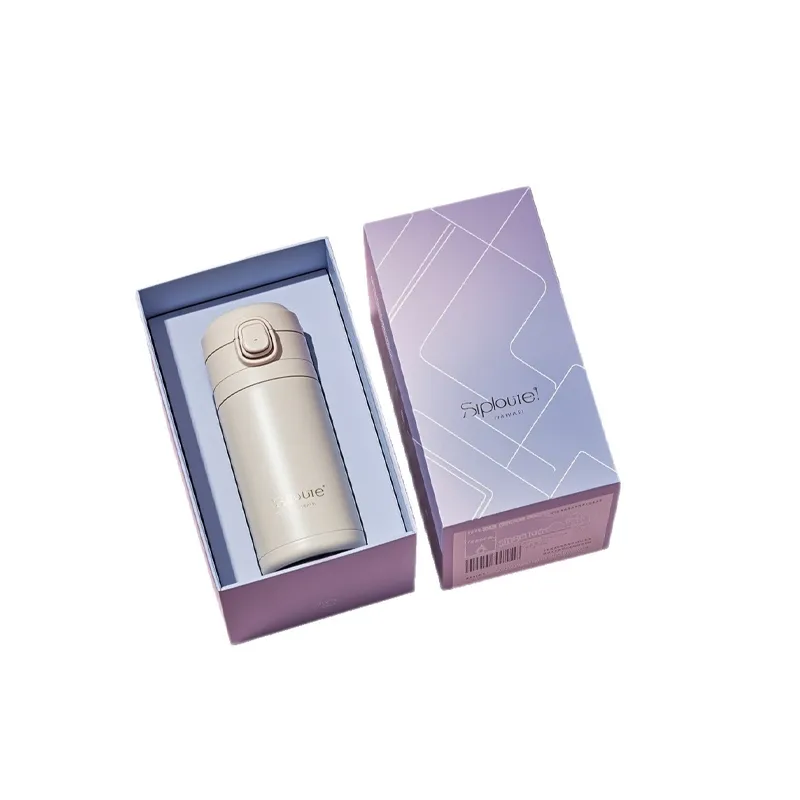
A 2-piece box, also called a lid-and-base box, uses a detachable top and bottom. It is a familiar structure in rigid packaging and is often selected when the brand wants a cleaner, more premium look. For thermos cups, it works well when the product is sold as a gift item or when the package needs a stronger presentation at retail.
This style is a good match for EVA, paperboard, or PET inserts because the structure itself already feels stable and high-end. The insert can then focus on keeping the bottle upright and preventing side movement. The weakness is cost and storage. Rigid 2-piece boxes do not fold flat, so they usually take more room in shipping and warehousing.
2) Magnetic box
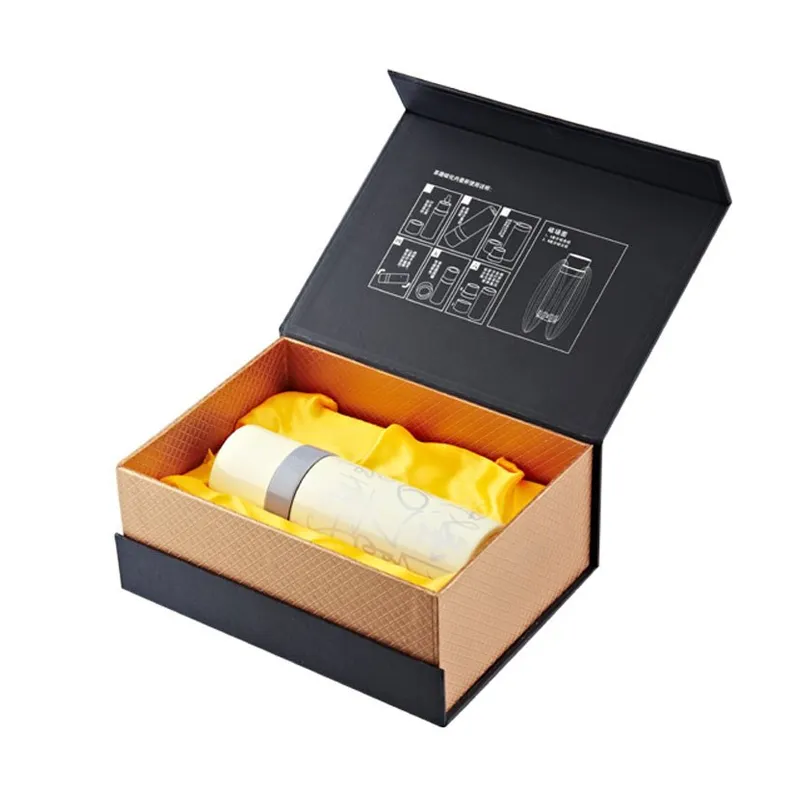
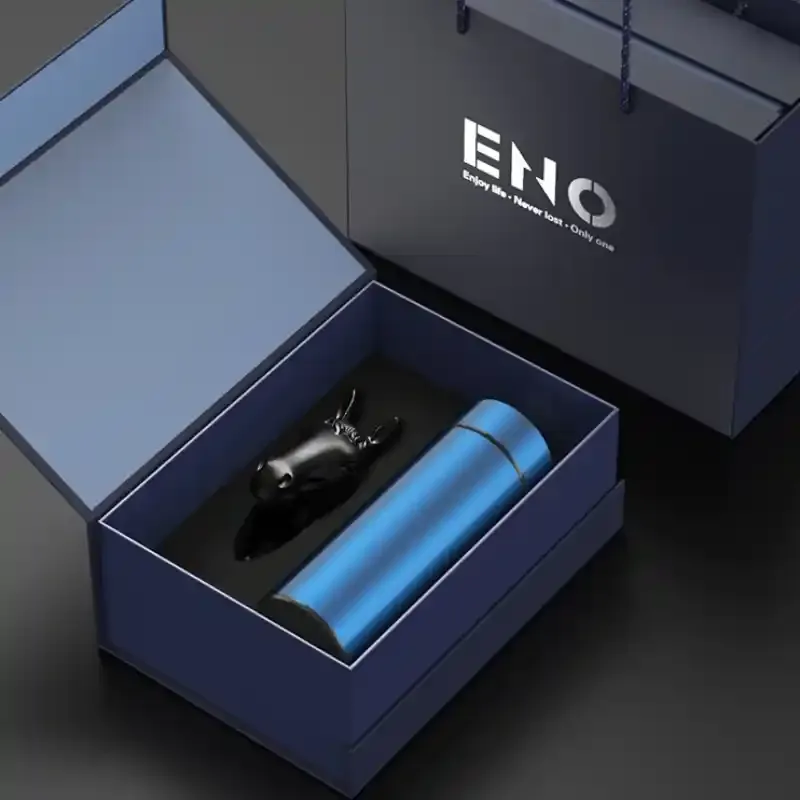
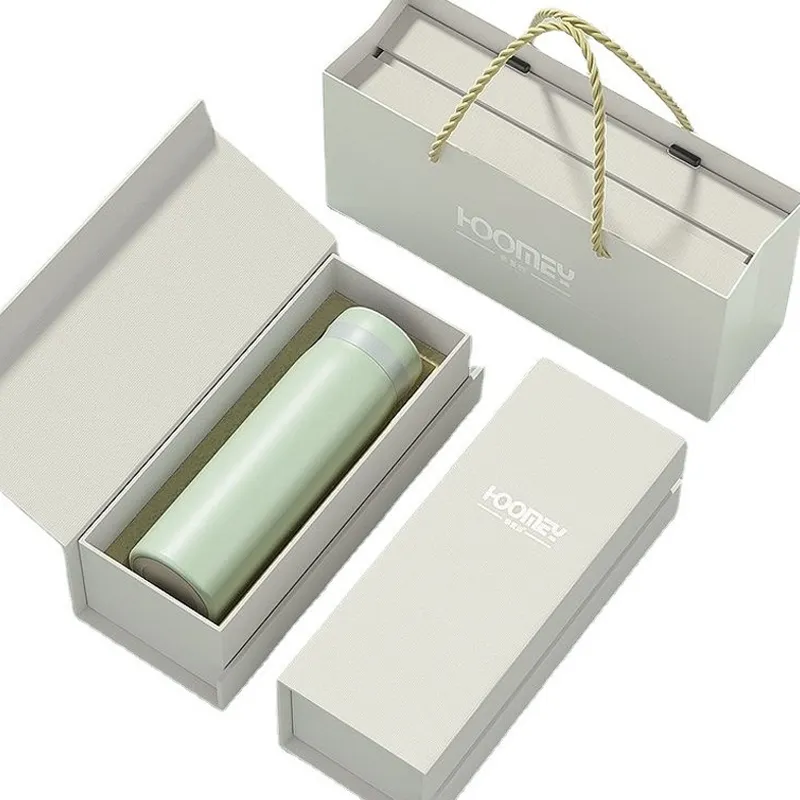
Magnetic boxes are usually chosen for premium gift packaging. The hidden magnet gives the box a more polished opening and closing action, which helps the product feel more valuable before the customer even touches the thermos cup. For branded gift projects, this structure often works well when the package includes accessories such as a tea infuser, cleaning brush, or spare lid.
Because the outer box already looks premium, buyers often combine it with EVA or PET inserts to create a cleaner interior. The drawback is simple: this structure costs more than a folding carton or mailer, and it is usually not the first choice for shipping-heavy, price-sensitive projects.
3) Drawer box
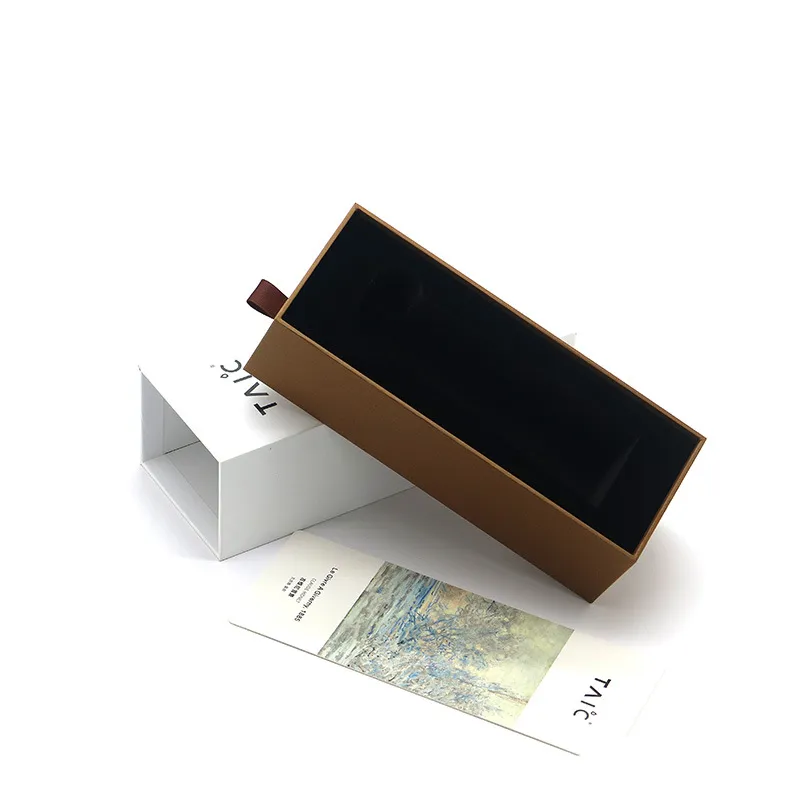
Drawer boxes use an outer sleeve and an inner tray that slides out. This style is popular in rigid gift packaging because the opening feels more interactive and organized. It is useful for thermos cups that come with extra items, since the insert can divide the space more neatly than a simple single cavity.
A drawer box usually pairs well with EVA or PET for a tidy interior, though paper inserts also work for lighter products. The trade-off is that drawer boxes are not normally the lowest-cost solution, and they are often chosen for presentation value rather than for basic mass-market shipping.
4) Cardboard box with snap-on bottom
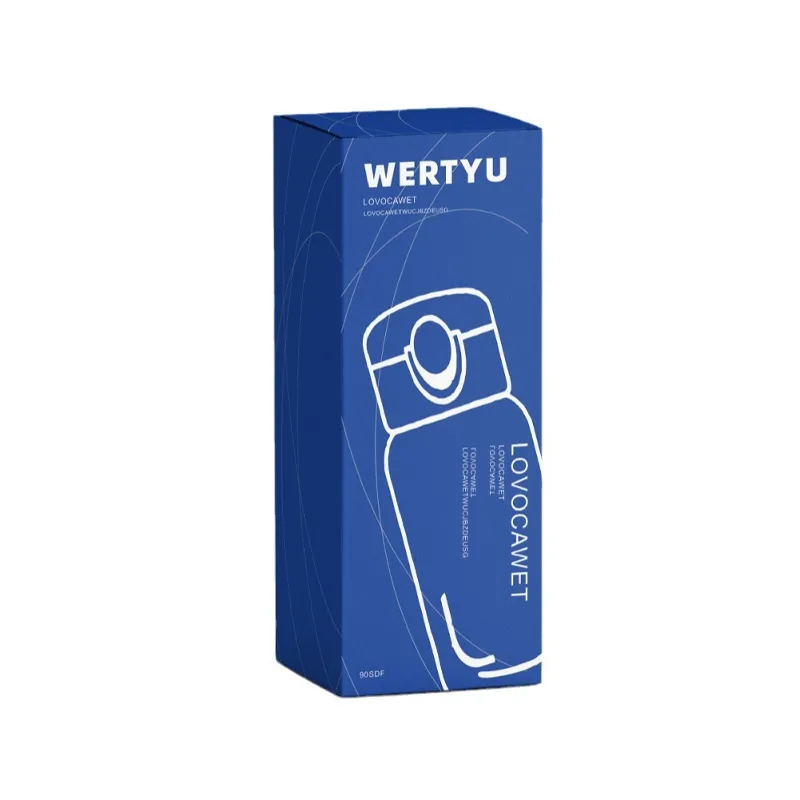
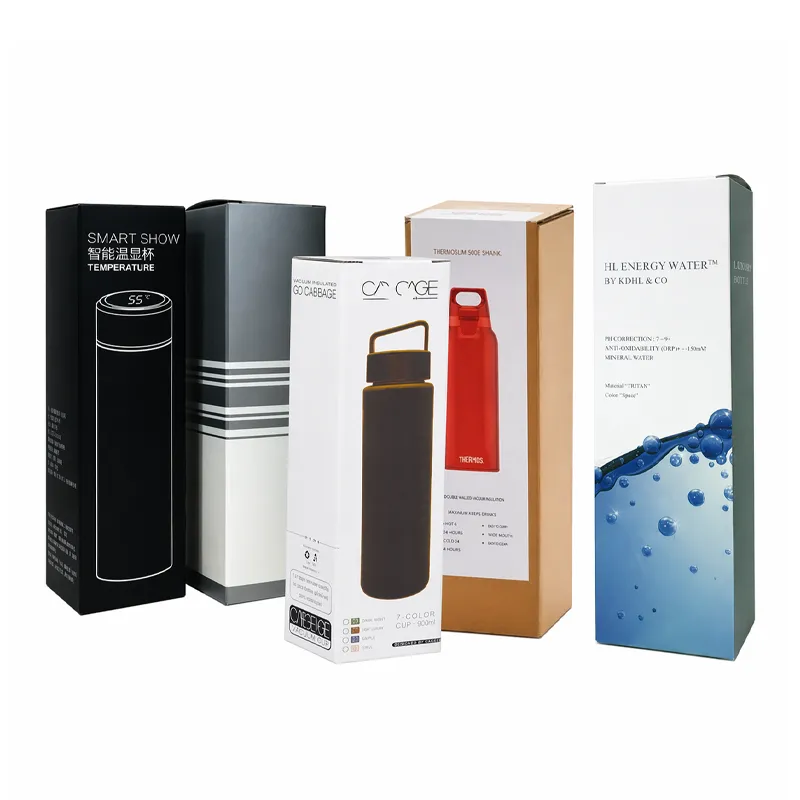
This is the practical retail choice. A snap-on bottom box uses interlocking flaps at the base, which gives more support than a very simple folding carton while still shipping flat and staying economical. For thermos cups sold in stores, this structure is often a sensible middle ground between appearance and cost.
With this style, paperboard inserts are common because they are lightweight, printable, and cost-effective. PET can also work when brands want to show the cup more clearly inside the box. The limit is protection: when the cup is heavy or the shipping route is rough, a folding paperboard box may not be enough on its own.
5) Corrugated box with snap-on bottom
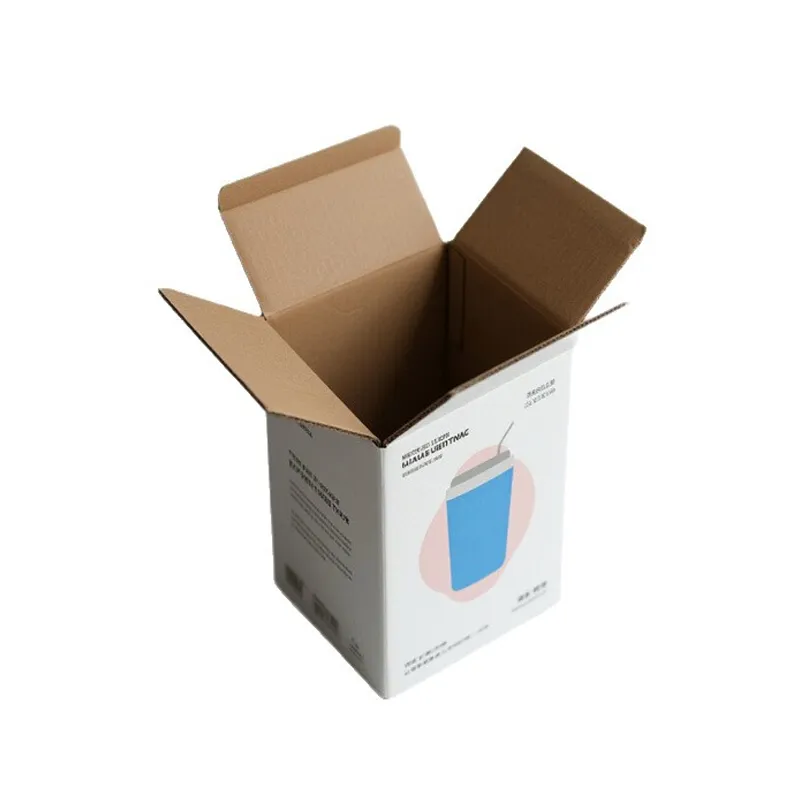
A corrugated snap-on-bottom box keeps the same general folding logic but uses corrugated board instead of thinner paperboard. Corrugated board gets its strength from a fluted middle layer between linerboards, which improves cushioning and compression performance while keeping the box relatively light. That makes it a stronger choice for larger thermos bottles, export orders, or longer shipping distances.
This structure pairs naturally with corrugated inserts or EPE inserts, especially when the project is more focused on transport safety than on luxury presentation. It may not look as refined as a rigid box, but it usually performs better when the package needs to survive stacking, transit vibration, and courier handling.
6) Mailing box
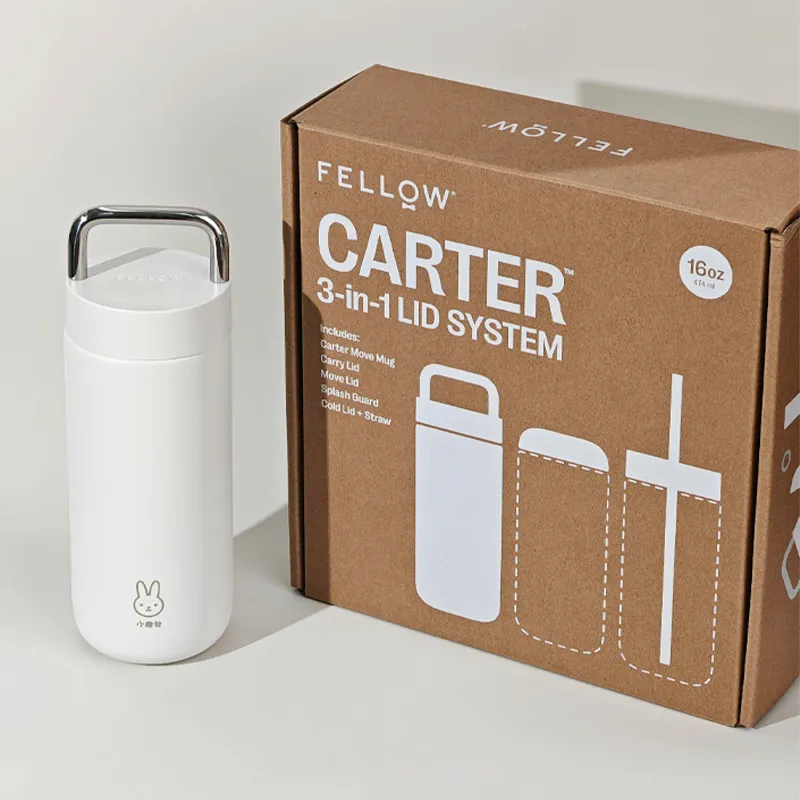
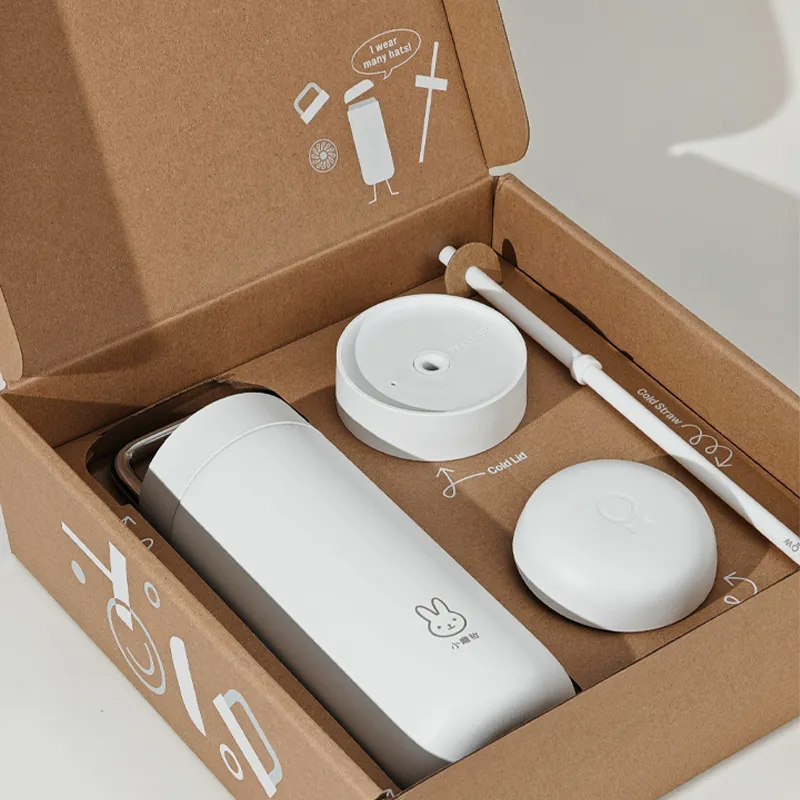
A mailing box is one of the most common choices for e-commerce because it is designed to ship directly to the customer. Most mailer boxes are corrugated and self-locking, which makes packing faster and usually reduces the need for extra outer packaging. For thermos cups sold online, this style is often the most efficient option.
The best insert pairings here are corrugated board, EPE, or soft foam. These materials help stop the bottle from moving during last-mile delivery. A mailing box can still be printed well and look branded, but its main value is function: it combines shipping performance and presentation in one structure.
Insert materials explained
The insert comparison below is the fastest way to understand what each material does best. In most thermos cup projects, the insert choice depends on four things: protection level, presentation, sustainability goals, and budget.
| Insert material | Protection level | Visual effect | Sustainability direction | Best use |
|---|---|---|---|---|
| Paper insert | Light | Clean and printable | Strong paper-based option | Light retail cups, lower-cost projects |
| Corrugated insert | Medium | Practical, structured | Strong paper-based option | Shipping-focused packaging |
| Foam insert (often PU/sponge) | Medium to high | Soft interior feel | Less recyclable than paper | Delicate surfaces and accessory cushioning |
| Pearl cotton (EPE) | High | Functional, not luxury | Plastic foam, mainly used for protection | E-commerce and transport protection |
| EVA insert | High | Premium, precise, neat | Plastic foam, not the simplest recycling route | Gift boxes and premium retail packaging |
| PET insert | Medium | Clear, tidy, display-friendly | Can be designed for PET recycling streams, subject to local systems | Visible presentation and organized layouts |
Paper insert
Paper inserts are often used for lightweight products because they are cost-efficient, printable, and paper-based. They work well when the thermos cup is not especially fragile and when the brand wants a cleaner, more sustainable-looking interior. They are also useful for organizing smaller accessories without adding much weight.
Corrugated insert
Corrugated inserts add more structure than flat paperboard because the fluted material absorbs impact better during transport. They are a strong option for shipping-oriented thermos cup packaging, especially inside mailer boxes or corrugated outers. They may look more practical than luxurious, but they are often the right answer for long-distance shipping.
Foam insert
When buyers say “foam,” they often mean softer cushioning materials such as PU or sponge-style foam. This type of insert is useful when the goal is to cushion the cup body, lid, or accessories more gently than paper can. Foam inserts can also reduce vibration inside the box, although they are generally less sustainable than paper-based inserts.
Pearl cotton (EPE)
Pearl cotton usually refers to EPE foam. In protective packaging, EPE is popular because it is lightweight, closed-cell, and good at absorbing impacts and damping vibration. For thermos cups, it is especially useful when the package will go through courier networks, export handling, or frequent stacking. It is more about protection than appearance, so it fits shipping boxes better than luxury rigid boxes.
EVA
EVA is denser and more structured than softer sponge foam, which is why it is widely used in premium inserts. It can be die-cut very neatly, supports the product well, and gives the inside of the box a more precise, premium look. For thermos cup gift packaging, EVA is often one of the safest choices when both presentation and protection matter.
PET
PET inserts are usually chosen when brands want a cleaner display effect. Thermoformed PET can be molded into precise cavities, which helps keep the thermos cup and accessories organized without using a thick insert. Clear PET is common when visibility matters, and PET thermoforms can also be designed for compatibility with PET recycling streams, although local recycling acceptance still varies by market.
How to match the right box with the right insert
For premium retail or gifting, the safest combinations are usually 2-piece box + EVA, magnetic box + EVA, or drawer box + EVA/PET. These pairings make the product feel more valuable and keep the interior neat when the customer opens the package. They work especially well for branded gift cups, holiday promotions, and corporate gift sets.
For e-commerce or export shipping, the stronger combinations are usually mailing box + corrugated insert, mailing box + EPE, or corrugated snap-on-bottom box + corrugated/EPE insert. These pairings focus more on reducing movement, absorbing impact, and surviving transit. They are less decorative, but they are often more practical.
For tighter budgets, cardboard snap-on-bottom box + paper insert is often the simplest starting point. It keeps the package printable, easy to store, and easier to scale for larger quantities. This combination is common when the product is sold in volume and the thermos cup itself is not extremely heavy.
Common mistakes when choosing thermos cup packaging
One common mistake is choosing the box by appearance only. A magnetic or drawer box may look great, but if the insert does not lock the bottle in place, the cup can still move and get damaged. In practice, the insert often decides the real protection level more than the print or finish does.
Another mistake is using too much empty space. Oversized packaging makes the box look bigger, but it also increases movement, raises freight cost, and may require more filler. A better approach is to design the cavity around the real bottle dimensions, lid shape, and any accessories that will ship together.
A third mistake is ignoring the sales channel. Retail shelf packaging and e-commerce packaging are not the same job. One sells the look first. The other must survive delivery first. Many damaged-packaging problems come from using a retail-first structure in a shipping-first situation.
Customization details to confirm before production
This is the part many buyers rush through, but it is often where the best results come from. On SLD Packing’s custom packaging page, the main customization points include structural design, custom inserts made from EVA, paper, or plastic, and finishing options such as hot stamping, embossing/debossing, spot UV, laser effects, glossy or matte lamination, and even PVC window printing. Those options are useful because they let the same thermos cup package move in very different directions: more gift-like, more technical, more minimal, or more retail-focused.
For a thermos cup project, the most important custom details to confirm are these:
1. Product size and cavity fit.
Confirm the cup height, diameter, lid shape, base width, and whether the product includes a straw, infuser, brush, handle, or gift card. A small mismatch here can cause the entire insert to fail in transit.
2. Outer box structure.
Choose the structure based on the real use case, not only on appearance. Rigid boxes are better for premium presentation. Corrugated mailers and corrugated snap-bottom boxes are better when transport strength matters more.
3. Insert material and layout.
Decide whether the insert needs only one cavity for the cup or multiple cavities for accessories. EVA and PET are good for a clean premium interior, while corrugated and EPE are usually stronger choices for shipping. Paper inserts are useful when cost and paper-based structure are priorities.
4. Printing and surface finish.
The same box can look very different depending on print and finish. Foil stamping can make a logo feel more premium. Embossing adds texture. Spot UV highlights selected areas. Matte lamination often gives a softer, cleaner look, while gloss creates more shine. These are not small details. They usually decide whether the package feels budget, mid-range, or gift-ready.
5. Sustainability target.
If the project aims for easier recycling, paperboard and corrugated inserts are usually simpler routes. PET may also fit recycling goals in some applications when designed correctly, but local systems differ. Foam materials often perform very well for protection, yet they are not usually the easiest route for brands that want a paper-first packaging story.
6. Sample testing before mass production.
Always test with the real cup, real accessories, and real shipping conditions. A digital drawing can look correct while still leaving too much movement inside the box. A physical sample usually reveals fit issues much faster than a final bulk order.
FAQ
Which box type is best for a premium thermos cup?
Usually a 2-piece box, magnetic box, or drawer box. These structures are more presentation-focused and work well with precise inserts such as EVA or PET.
Which insert material gives the best protection?
For shipping-heavy projects, EPE and corrugated inserts are strong practical choices. For premium retail packaging, EVA is often the best balance of support and appearance.
Is a mailing box good enough for thermos cups?
Yes, especially for e-commerce. A corrugated mailing box with a well-fitted corrugated or EPE insert is often one of the most practical solutions for direct shipping.
Is PET a good insert material for thermos cups?
Yes, when organized presentation and visibility matter. PET thermoforms can create precise cavities and a clean interior, though they are usually chosen more for display and organization than for thick cushioning.
What should be confirmed before mass production?
Confirm the product dimensions, box structure, insert material, accessory layout, print finish, and a physical sample test. Most packaging mistakes happen when one of these points is assumed instead of checked.
Conclusion
The best thermos cup packaging is not simply the prettiest box or the cheapest insert. It is the combination that fits the product, the sales channel, and the budget. If the goal is premium presentation, rigid structures such as 2-piece, magnetic, and drawer boxes are usually the strongest options. If the goal is shipping efficiency, corrugated snap-on-bottom boxes and mailing boxes often make more sense. On the insert side, paper and corrugated work well for simpler paper-based packaging, while EPE and EVA become more useful as protection needs rise. PET fits projects that need a cleaner display effect and organized internal layout.
In the end, good thermos cup packaging comes from matching the box style and insert material to the real job the packaging needs to do. When that match is right, the package protects the product better, looks more professional, and makes the customer’s first impression much stronger.